Wastewater in High Mountain Areas: Impact on Microbial Communities and Strategies for Its Mitigation (RAMi)
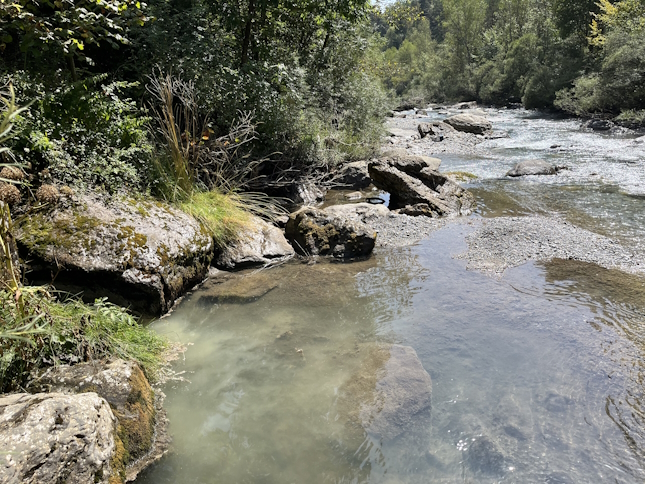
The project aims to design nature-based wastewater treatment solutions specifically adapted to high-mountain conditions.

The project aims to design nature-based wastewater treatment solutions specifically adapted to high-mountain conditions.

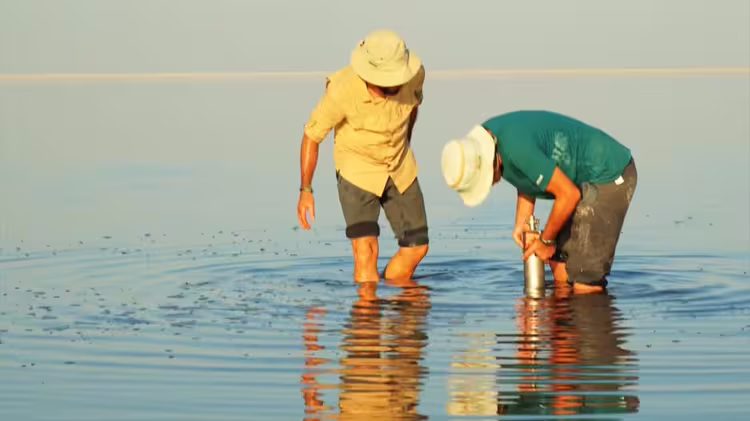
Pharmaceutical micro-pollutants are chemicals used for human and animal health care that are found everywhere including in soil, water and sediment. This chemical contamination is usually associated with microbiological contamination (by microorganisms and/or their genetic material) from humans, animals and the environment.

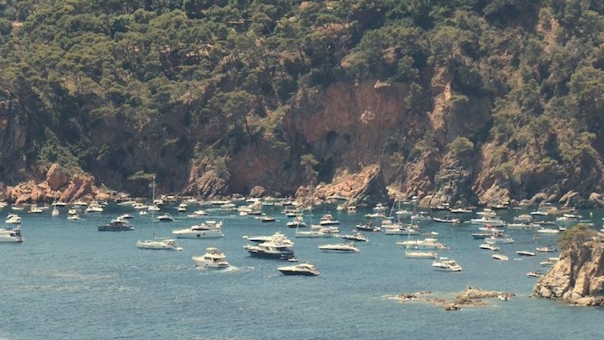
The objective of this contract is to carry out an evaluation of the current information that allows carrying out the necessary studies to carry out the spatial analysis of the nautical load capacity on the Costa Brava.

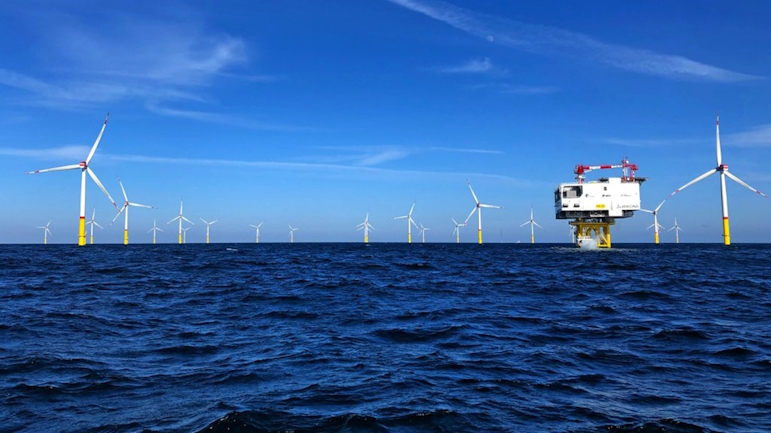
The starting hypothesis of this study is that to develop a sustainable and resilient offshore wind industry in Spain, it is necessary to implement methodologies and regulatory schemes that address the particularities of this technology, referring to the administrative authorization regime, financing schemes, protection and governance of the marine environment, and coexistence with other activities.

The overall goal of NiD4OCEAN is to advance the emerging field of NiDs (and NBS in general) for offshore renewables, and provide effective, context-dependent solutions.

The main objective of MEDSEAPLAN is to develop a comprehensive tool based on scientific knowledge for the application of the Ecosystem-based Approach to be used in PEM processes with the intention of promoting a Sustainable Blue Economy in the Mediterranean.

Business for Ocean Sustainability is a multi-year research project. Explore the relationship between business and ocean sustainability.

The goal of the Alter-C coordinated project is to understand how C sinks and sources in inland waters are affected by reductions in current and future conditions. Alter-C combines cutting-edge methodologies with an integrative perspective, including river networks, lakes, ponds and reservoirs.

In a context in which prolonged periods of drought are becoming more frequent, the intoDBP project takes on special importance for its innovative approach to water management. The project aims to improve water quality and minimize exposure to harmful disinfection byproducts.

InventWater will form a new generation of professionals capable of uniting fields with data science, climate, hydrology and water ecology, and who develop the necessary capabilities to translate the knowledge and technical innovations into useful products for the managers.
C/ d’accés a la Cala St. Francesc, 14
Blanes – Girona – 17300 (ESPAÑA)
Phone: +34 972 336 101
E-mail: info@ceab.csic.es