The Spanish Long-Term Ecological Research network, LTER-Spain, is entering a new phase with a change in its coordination. Researcher Esperança Gacia, from the Centre for Advanced Studies of Blanes (CEAB-CSIC), has been appointed as the national coordinator of the network, taking over from Begoña García, from IPE-CSIC, who has held this position for the past three years.
This appointment positions CEAB as the coordinating centre of LTER-Spain, a key scientific infrastructure for the study of long-term ecological changes across a wide diversity of ecosystems.
A network to understand long-term ecological change
LTER-Spain is part of the international Long Term Ecological Research (LTER) initiative, which brings together observatories and ecological monitoring nodes around the world. Its main objective is the systematic collection of data over long periods of time, often spanning decades, in order to understand how ecosystems function and how they respond to the impacts of global change.
Unlike short-term studies, this approach makes it possible to detect slow but profound environmental changes that are often imperceptible in the short term. The national network integrates nodes in marine, terrestrial and freshwater environments, ranging from alpine systems to coastal areas. Among these, the LTER-Aigüestortes node stands out as a sentinel of global change in the Catalan Pyrenees, as high-mountain ecosystems respond particularly rapidly to human and climatic pressures.
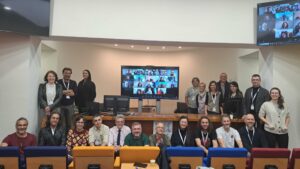
New coordination: continuity and future outlook
Until now, Esperança Gacia had served as coordinator of the LTER-Aigüestortes node. Gacia is a freshwater ecologist specialising in the dynamics of aquatic communities and long-term ecological monitoring. With this new appointment, she assumes responsibility for coordinating the joint work of the different nodes and for promoting the standardisation of variables in line with European criteria, with the aim of joining the European network with the largest possible number of study domains*.
The handover ensures continuity in the work carried out by Begoña García, consolidating the association’s structure and strengthening cooperation between research institutions and land managers. This inter-institutional cooperation, which includes CSIC, universities and the network of protected areas, is essential to guarantee the continuity of long-term monitoring.
Long-term science for decision-making
LTER-Spain’s research focuses on aspects such as climate, the chemical composition of rainfall, carbon fluxes, biodiversity and alterations in biological cycles. The data generated constitute a key tool for informing public policies and conservation strategies based on scientific evidence.
Continuous monitoring makes it possible to anticipate future scenarios and to rethink the relationship between society and nature. With coordination from CEAB-CSIC, the network strengthens its role as a reference infrastructure for understanding and anticipating the effects of global change on ecosystems.
*The coordination team includes: Pepe Barquín (Vice-Coordinator) from IH Cantabria, University of Cantabria; Pablo Méndez (Secretary) from CSIC Ingenio Valencia; and Patricia Adame (Treasurer) from INIA and coordinator of the ICP Forests network.