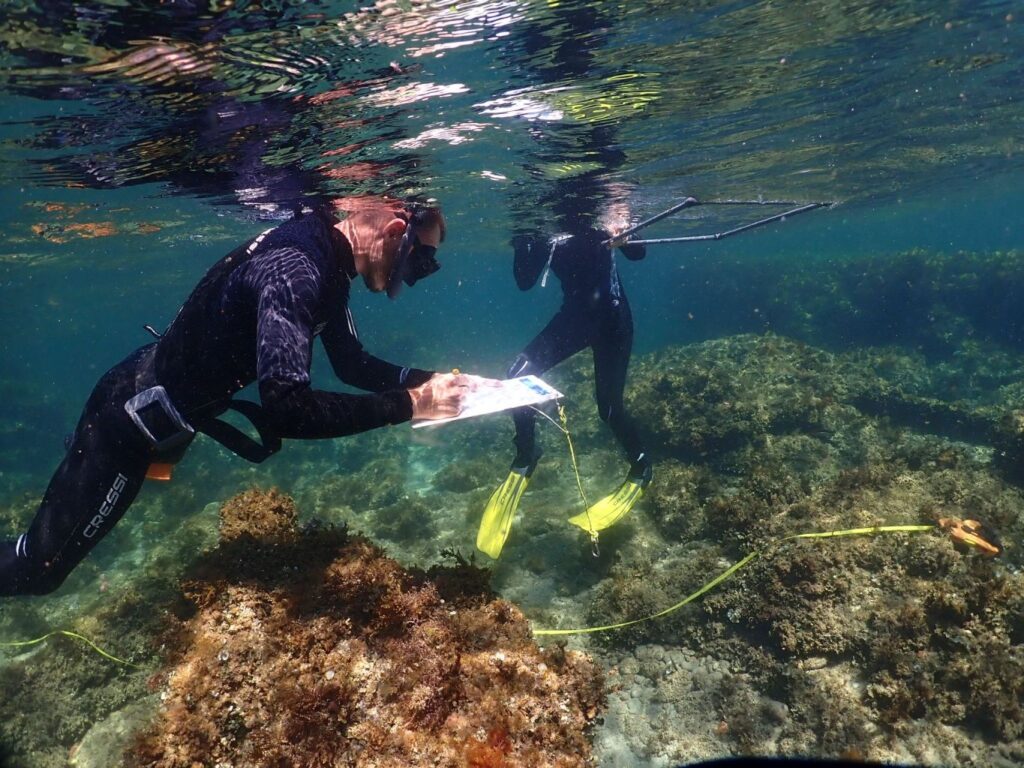
Scientific teams are calling on the public to collaborate with them through the Observadores del Mar platform to expand knowledge about these algae-dominated ecosystems, which is key to their conservation. Spring, when marine forests reach their peak development and are most visible, is the most favourable time to contribute to their study.
The citizen science platform Observadores del Mar (CSIC) is promoting the “Marine Forests” project to assess the status of algae-dominated ecosystems along Spain’s North Atlantic and Mediterranean coasts.
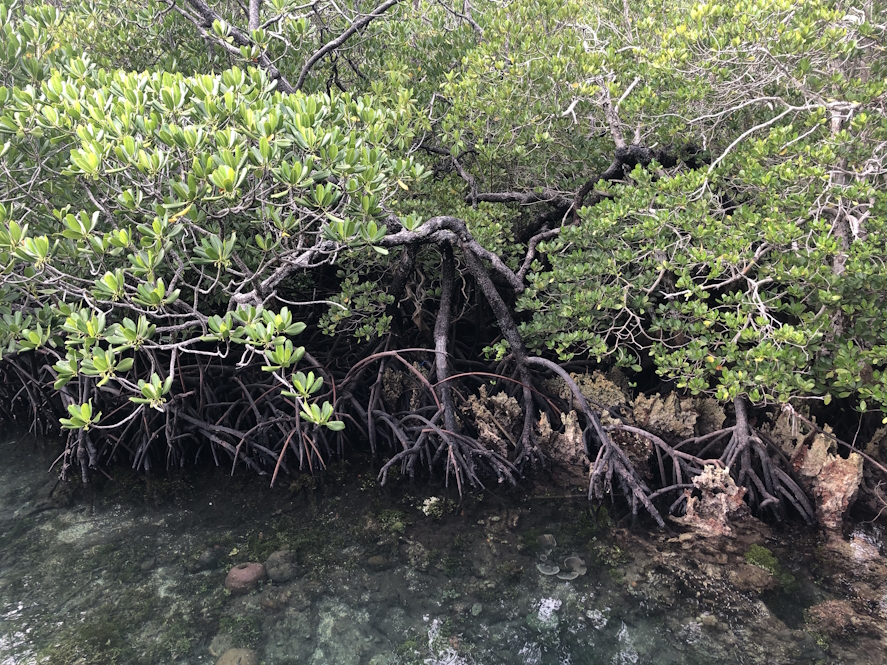
These habitats, formed by large structural seaweeds—such as kelps in the Atlantic and Cantabrian coasts or species of the genus Cystoseira in the Mediterranean—are true “underwater forests” that, like terrestrial forests, provide shelter, food and structure for a wide variety of species. They also protect the coastline, capture carbon, oxygenate the water and enhance the resilience of marine ecosystems.
However, their future is at risk. Human-driven pressures, including climate change, are altering their distribution and conservation: rising sea temperatures are pushing species towards cooler latitudes or deeper waters; pollution, habitat destruction, invasive species and overfishing are also contributing to their degradation and even loss.
A significant decline has been documented in recent decades. In the Mediterranean, up to 80% of seaweed forests have been lost or degraded over the past 50 years. In the north-west of the Iberian Peninsula (North Atlantic and Cantabrian coasts), they have disappeared from more than half of the sites studied over the past 25 years. These data confirm a clear decline of seaweed forests along Spanish coasts.
Against this backdrop, Observadores del Mar is calling on the public to contribute information on marine forests to complement data collected by scientific teams and support the conservation and recovery of these ecosystems. Through the platform, anyone can report their presence, make one-off observations or monitor a specific forest over time. Spring, when these habitats are at their most developed and visible, offers a particularly favourable opportunity to carry out such observations.
“Marine forests are as important as terrestrial ones: they are refuges for life, engines of productivity and essential allies in tackling climate change. Public involvement is crucial to improve our understanding of their distribution and the threats that endanger their survival,” explains Lara Arroyo, researcher at the Spanish Institute of Oceanography (IEO-CSIC) and one of the scientific coordinators of the project.
“Observations provided by divers and other people who carry out activities at sea will be validated by scientific staff. These data will complement the information we obtain through our own teams and will allow us to work with more robust datasets for our research, which is focused on conservation,” adds Sònia de Caralt, researcher at the Institute of Aquatic Ecology at the University of Girona (IEA-UdG) and the Centre for Advanced Studies of Blanes (CEAB-CSIC), and one of the scientific coordinators of the project.
The “Marine Forests” project is now active on the Observadores del Mar website, where participation protocols can be consulted and contributions can begin.
How to take part in the “Marine Forests” project
On 16 April, an online information session was held, aimed especially at diving centres and people who regularly carry out activities at sea, to explain how to contribute to the “Marine Forests” project.
During the session, participants were introduced to what is meant by marine forests, which seaweed species form them, how to identify them, their benefits and the risks they face, as well as the different ways to take part, including both one-off observations and more systematic monitoring.
The main guidelines provided were:
• Photograph marine forests, always indicating the date and location
• Record their presence and characteristics, together with basic environmental data
• Carry out monitoring through surveys and transects, systematically recording algal cover and condition in each section (for example, every 25 cm), noting whether there is well-developed forest, smaller algae or bare rock, as well as the presence of herbivores
• Upload all observations to the Observadores del Mar platform, following the established protocols
About the “Marine Forests” project
The “Marine Forests” project is coordinated by researchers from the University of Girona (IEA-UdG) and CEAB-CSIC within the framework of the FECYT project “A Sea of Forests” and CAMBIOMED, as well as by researchers from IEO-CSIC, the University of the Basque Country and the University of A Coruña.
About the Observadores del Mar platform
Observadores del Mar is a citizen science platform coordinated by several marine research centres of the Spanish National Research Council (CSIC): the Institute of Marine Sciences (ICM), the Spanish Institute of Oceanography (IEO), the Centre for Advanced Studies of Blanes (CEAB), the Mediterranean Institute for Advanced Studies (IMEDEA), the Balearic Islands Coastal Observing System (SOCIB) and the Marine Research Institute (IIM).
It is also a partner in the LIFE INTEMARES project, coordinated by the Biodiversity Foundation of the Spanish Ministry for Ecological Transition; it is part of OCEAN+; and collaborates with the Marilles Foundation in the Balearic Islands and RedPromar in the Canary Islands.