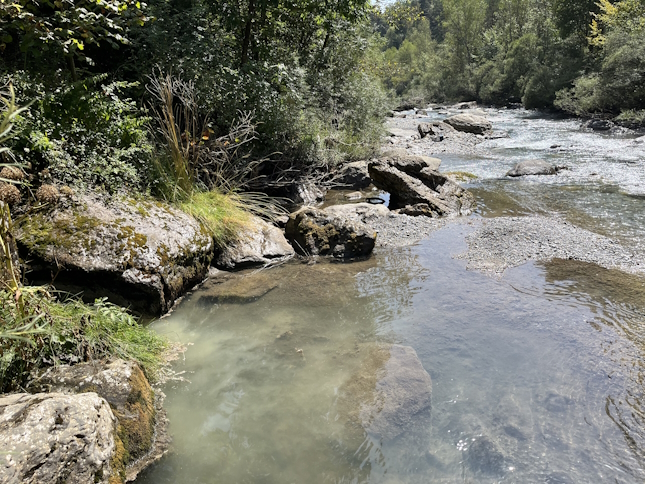
Wastewater in High Mountain Areas: Impact on Microbial Communities and Strategies for Its Mitigation (RAMi)
The project aims to design nature-based wastewater treatment solutions specifically adapted to high-mountain conditions.

The project aims to design nature-based wastewater treatment solutions specifically adapted to high-mountain conditions.

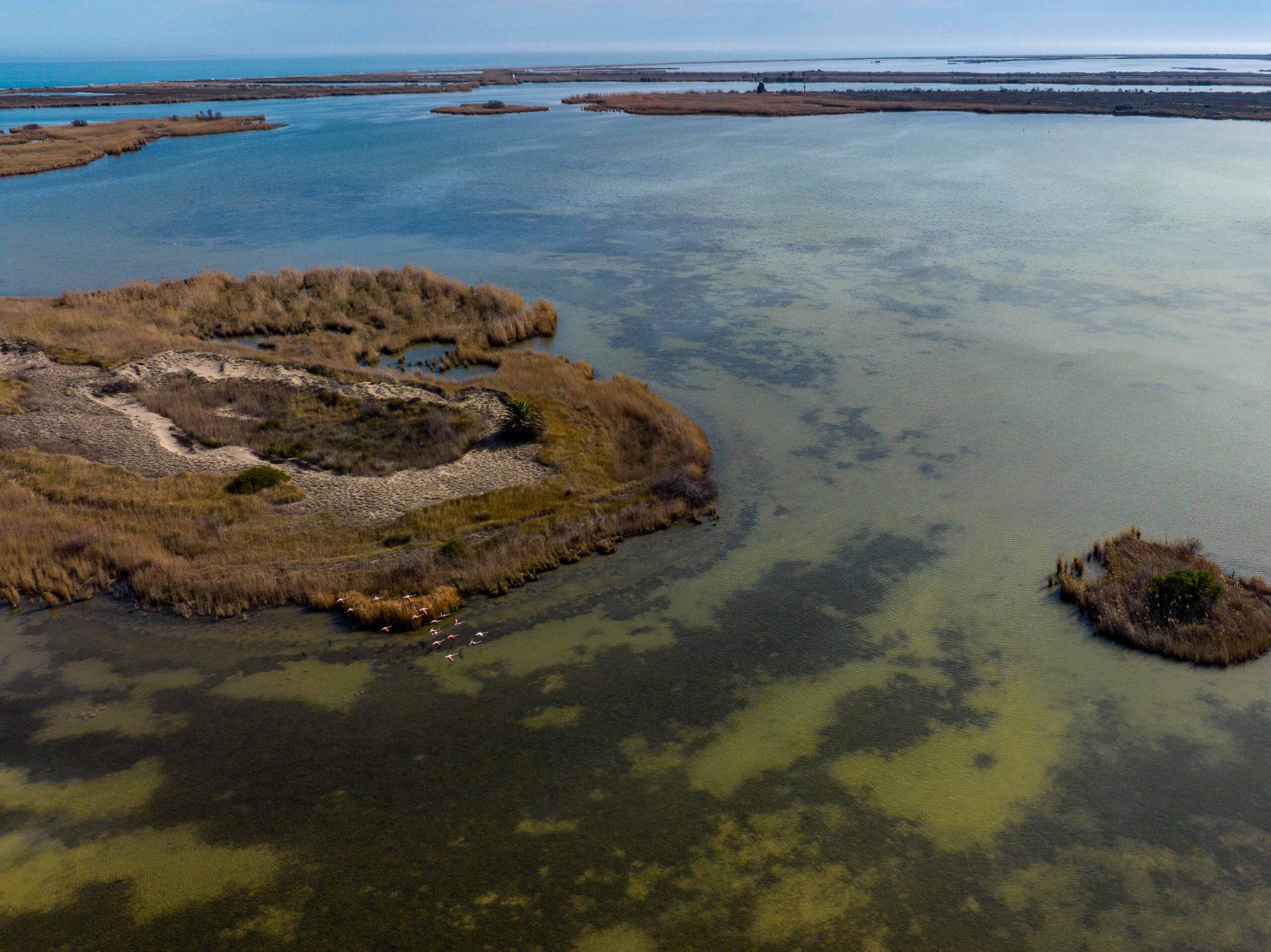
The new Blue Carbon Ecosystems Research Network in Spain brings together experts from across the country to promote the conservation of saltmarshes and seagrass meadows. Its goal is to generate knowledge, advise authorities, and foster policies and projects that harness the potential of BCEs to fight climate change and support sustainability.

Given the recent detection of Perkinsus infecting mussels cultivated in the aquaculture area of the Ebro Delta and the lack of knowledge regarding its diversity, distribution, and ecology, this project aims to assess the epidemiological status of the disease Perkinsosis in the mussel aquaculture sector in Catalonia, in order to understand its potential impact.

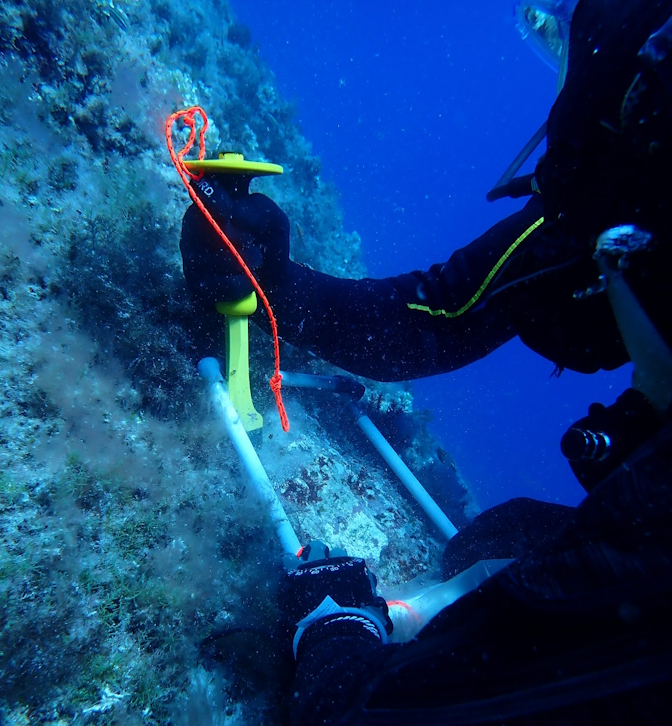
A project that applies genetics to study biodiversity in marine ecosystems and detect invasive species.

Pharmaceutical micro-pollutants are chemicals used for human and animal health care that are found everywhere including in soil, water and sediment. This chemical contamination is usually associated with microbiological contamination (by microorganisms and/or their genetic material) from humans, animals and the environment.

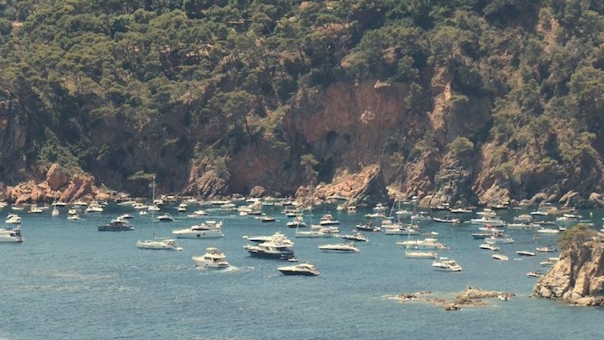
The objective of this contract is to carry out an evaluation of the current information that allows carrying out the necessary studies to carry out the spatial analysis of the nautical load capacity on the Costa Brava.

For marine strategies of the State. Improvement of scientific knowledge about the state of the marine environment at the national level.

Evaluation of the potential ecological and social impacts of offshore wind farms in areas of high biodiversity and great landscape value of the Spanish Mediterranean, taking as a case study the wind farm proposed in the area of Cap de Creus/Gulf of Roses, to contribute to avoid or minimize the impacts of offshore wind on marine biodiversity and the landscape.

The starting hypothesis of this study is that to develop a sustainable and resilient offshore wind industry in Spain, it is necessary to implement methodologies and regulatory schemes that address the particularities of this technology, referring to the administrative authorization regime, financing schemes, protection and governance of the marine environment, and coexistence with other activities.

The overall goal of NiD4OCEAN is to advance the emerging field of NiDs (and NBS in general) for offshore renewables, and provide effective, context-dependent solutions.
C/ d’accés a la Cala St. Francesc, 14
Blanes – Girona – 17300 (ESPAÑA)
Phone: +34 972 336 101
E-mail: info@ceab.csic.es