Skip to content

Assessment of Perkinsosis in the Ebro Delta: an emerging marine disease threatening mussel aquaculture in Catalonia.

delta_ebre
Given the recent detection of Perkinsus infecting mussels cultivated in the aquaculture area of the Ebro Delta and the lack of knowledge regarding its diversity, distribution, and ecology, this project aims to assess the epidemiological status of the disease Perkinsosis in the mussel aquaculture sector in Catalonia, in order to understand its potential impact.

The objective of this project is to assess the status of Perkinsosis in mussels cultivated in the Ebro Delta in order to understand its potential impact on the aquaculture sector in Catalonia.

Perkinsosis, caused by protist parasites of the genus Perkinsus, is the most significant emerging disease in mollusk aquaculture. Due to its invasive capacity and high virulence, it has been responsible for mass mortality events in bivalve species around the world.

This project focuses on evaluating the epidemiology (diversity, distribution, prevalence, infection intensity) of this disease. It will also examine how the microbiome affects disease progression in infected hosts, as recent observations indicate that disease development in animals is not only due to a single species, but rather to the interaction between the host and its symbionts.

In addition, managing Perkinsosis in bivalves poses an added challenge, as these bivalves have an immune system with limited defense mechanisms, based mainly on innate immune functions. Currently, there is no effective treatment to combat this disease, making surveillance and control plans crucial for its prevention.

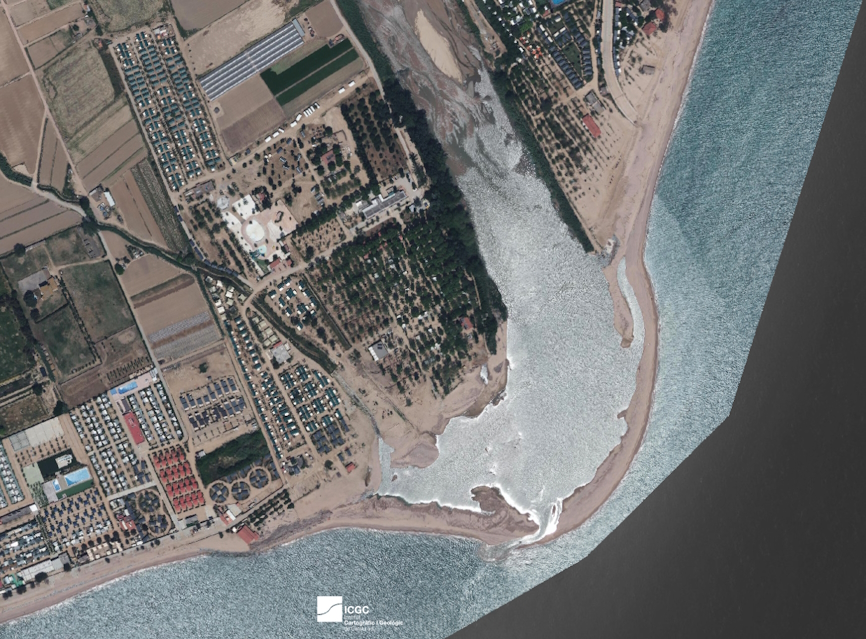
This project aims to better understand the epidemiology of Perkinsosis in order to grasp its potential impact, develop effective surveillance protocols, monitoring programs for early detection, and implement management strategies to prevent its spread. All these objectives will help reduce economic losses in the aquaculture sector in Catalonia and protect the main mollusk production center in the Mediterranean: the estuarine bays of the Ebro Delta in Catalonia, where around 4,000 tons of mussels and oysters are cultivated each year.
General project information

Project code

CA37511

Financing amount

23930€

Development period
Start

01/01/2025

End

30/06/2026

Department

Responsible researcher

Other researchers and involved staff

Funding entities

Institut-estudis-catalans

Institutions/collaborators

Social networks of the project

You may also be interested in

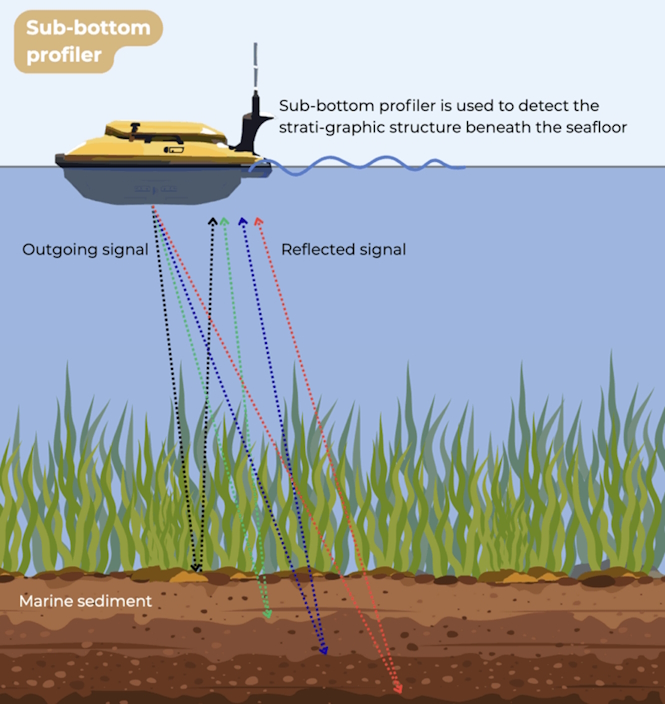
It proposes to develop an innovative and non-destructive method to quantify carbon stocks. This method will use advanced technologies such as geoacoustics, autonomous vehicles, drones, satellite imagery and artificial intelligence, also allowing the exploration of “hidden” carbon deposits under layers of sediment, which have so far been ignored.
Aims to explore how regional topography and local changes in land and water use scale up to intercontinental dispersion, using metagenomics tools, high-performance computing, real-time satellite data monitoring, and atmospheric modeling.
By studying the relationship between rivers, aquifers, and terrestrial environments, ENEO3 examines how natural self-purification processes can help improve water quality. The project focuses on denitrification, a key biogeochemical process that converts nitrates into nitrogen gas, thereby reducing water pollution caused by excess nitrogen.
The BlauCat project aims to assess the current status of blue carbon in Catalonia’s coastal ecosystems and contribute to the development of an action plan for their conservation and restoration, as a tool to support public policies for climate change mitigation and adaptation. The project will generate a homogeneous and georeferenced database on blue carbon stocks and fluxes at the regional scale, as well as an analysis of the restoration potential of these ecosystems.
The main objective of this research project is to co-develop digital twins for predicting water quantity and quality in the Ter and Tordera basins, including catchments, reservoirs and coastal areas, contributing to efficient water resource management, protecting ecosystems and maximising water security in a climate change context.