The Government of Catalonia is promoting the Strategic Plan for the Restoration of Catalonia’s Marine Ecosystems (PEREMCAT). More than €3 million will be allocated over the next three years to restore key marine habitats.
The Government of Catalonia, through the Department of Agriculture, Livestock, Fisheries and Food, has launched the Strategic Plan for the Restoration of Catalonia’s Marine Ecosystems (PEREMCAT), a strategic initiative aimed at restoring and improving marine habitats along the Catalan coastline.
With an investment of more than €3 million and an implementation period extending to 2028, PEREMCAT becomes the first comprehensive planning and action framework for marine ecological restoration in Catalonia.
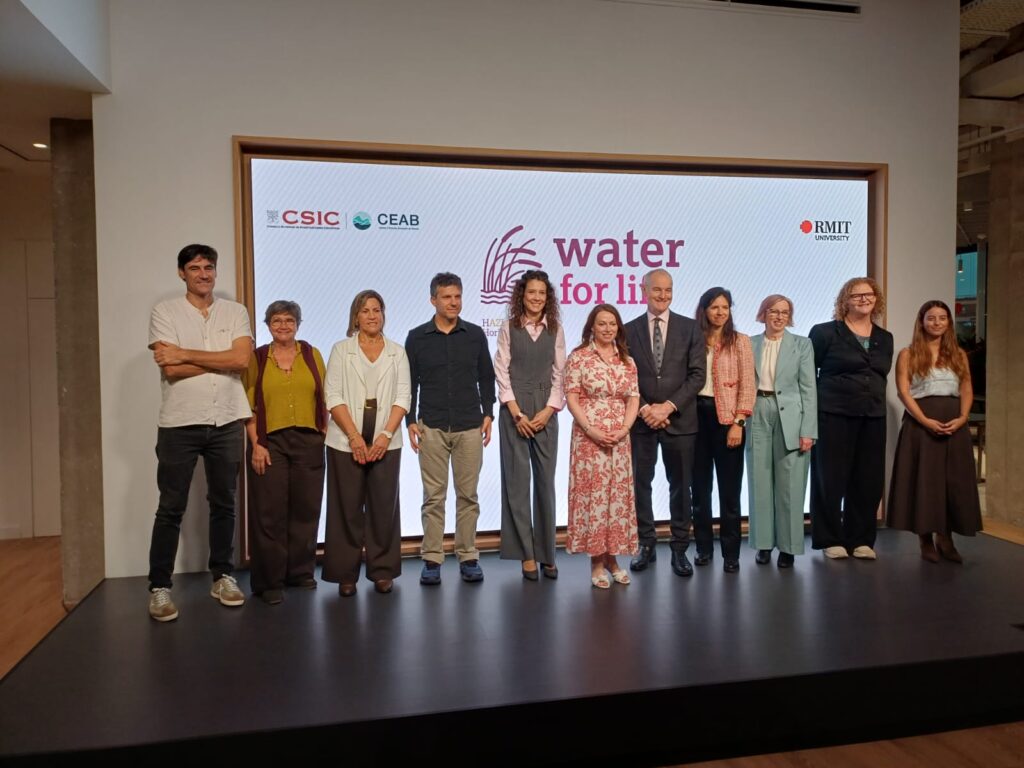
The Department’s Secretary General, Cristina Massot, presented the Plan today on the occasion of World Oceans Day before the scientific community involved in the project, representatives of the blue economy sector and various NGOs. “This is the first major seabed restoration instrument, pioneering in Europe,” she highlighted.
Massot explained that, through this Plan, “we have succeeded in bringing the entire scientific community together to work in a coordinated manner on this roadmap for the recovery of marine habitats. It will help us move towards greater food sovereignty, based on scientific knowledge and aligned with European policies, while also fostering the blue economy.”
A Strategic Response to Environmental and Climate Challenges
PEREMCAT is framed within the new European context for nature restoration and the European Ocean Pact, representing a decisive step towards improving the resilience of marine ecosystems in the face of human pressures and the impacts of climate change.
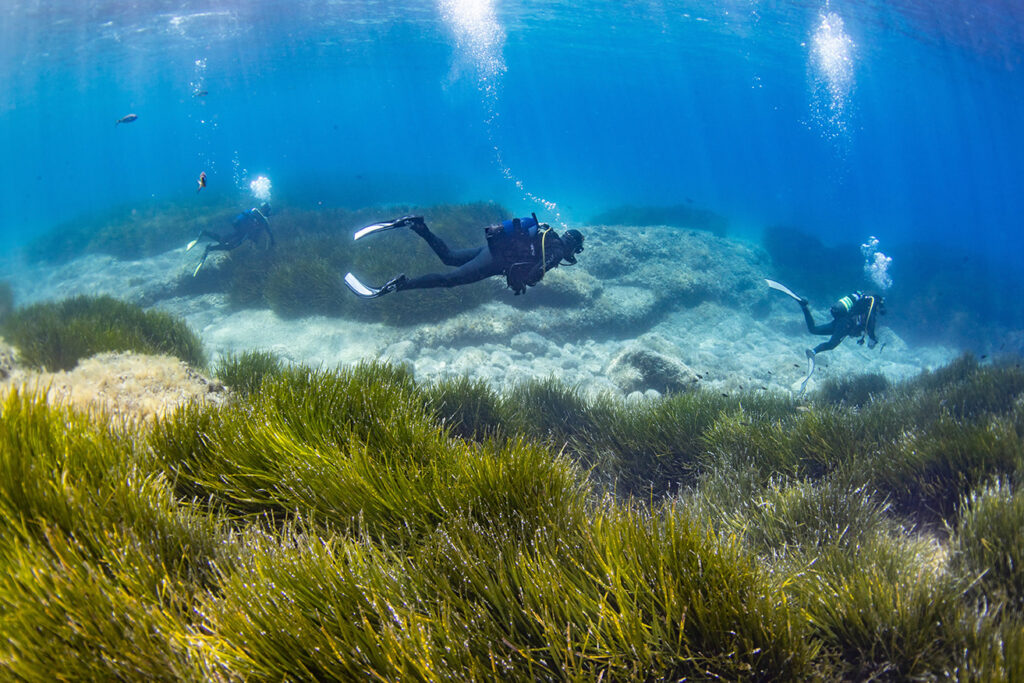
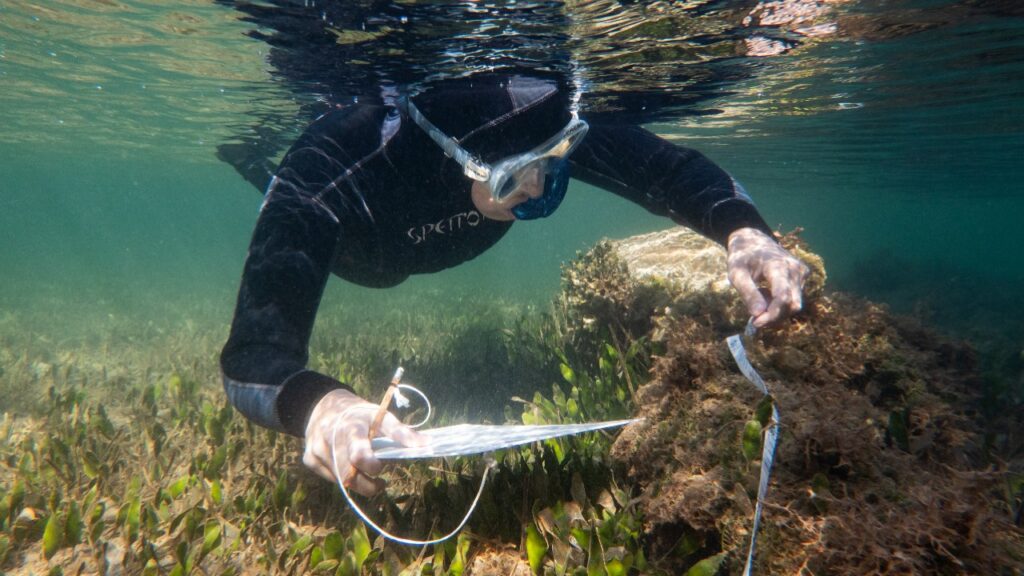
The project focuses on the restoration of key marine habitats along the Catalan coast—such as seagrass meadows and coralligenous and rhodolith seabeds—which are essential both for biodiversity and for sustaining fishing and underwater activities. It will also help identify the main pressures and threats affecting the condition of marine ecosystems and their capacity for recovery.
Within this framework, PEREMCAT will contribute to:
- improving scientific knowledge of the state of Catalonia’s marine environment;
- defining priority restoration actions;
- strengthening ecosystem resilience to climate change;
- integrating marine restoration into blue economy and sustainable management policies.
The project is aligned with the Catalonia Maritime Strategy 2030 and with the principal European and national policies on biodiversity, ecological restoration, climate change mitigation and adaptation, and food security.
Scientific Knowledge and On-the-Ground Action
PEREMCAT combines strategic planning with direct action through an extensive scientific and technical work programme that includes:
- assessing the conservation status of marine habitats;
- defining indicators and reference values;
- analysing pressures and impacts;
- identifying priority areas and restoration techniques.
In a later phase, the project plans to promote pilot ecological restoration projects in marine habitats of high ecological value, such as seagrass meadows, coralligenous reefs and rhodolith beds.
These actions will make it possible to validate restoration techniques and generate knowledge that can be applied across the entire Catalan coastline.
Participation and Knowledge Transfer
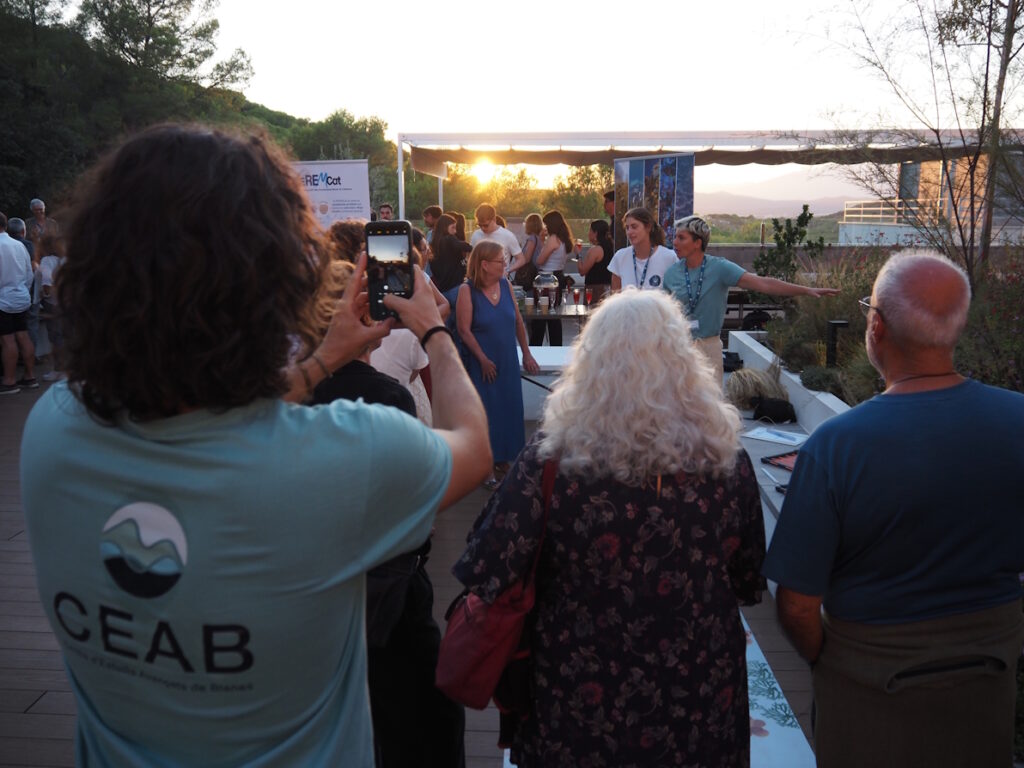
PEREMCAT also includes a significant communication, outreach and participation component, involving the production of educational materials, the organisation of technical workshops and the engagement of stakeholders connected to the marine environment.
This approach facilitates knowledge transfer between the scientific community, public administration and blue economy sectors, while encouraging public involvement in the preservation of the marine environment.
Towards a Marine Restoration Strategy for Catalonia
PEREMCAT is designed as a strategic public policy instrument that anticipates future restoration plans envisaged under European legislation and lays the foundations for coordinated, ambitious and long-term action to ensure the health of marine ecosystems and the future of activities that depend on them, such as fisheries.
The project also incorporates a key governance and regulatory dimension, which will contribute to defining criteria, guidelines and mechanisms for the management and restoration of marine habitats and ecosystems, integrating them with maritime and fisheries policies.
Through this initiative, the Government of Catalonia strengthens its commitment to the protection and recovery of marine ecosystems and contributes to environmental sustainability, the development of the blue economy and food security.
The implementation and scientific coordination of the PEREMCAT project are being carried out by a consortium of leading institutions recognised in Catalonia for their expertise in the study and restoration of marine seabeds.
The teams involved belong to the MedRecover and Benthic Ecology research groups, which are distributed across four institutions: the Centre for Advanced Studies of Blanes (CEAB-CSIC), the Institute of Marine Sciences (ICM-CSIC), the University of Barcelona (UB) and the University of Girona (UdG).
On behalf of the Government of Catalonia, the project is being driven by the Department of Agriculture, Livestock, Fisheries and Food through the Directorate-General for Maritime Policy and Sustainable Fisheries, which works in coordination with all the units responsible for marine environment management within the Government of Catalonia: the Directorate-General for Environmental Policies and Natural Environment, the Catalan Water Agency and the Directorate-General for Coastal Policies.