Saltar al contenido

Delivering a Unified Research Alliance of Biomedical and public health Laboratories against Epidemics (DURABLE)

DURABLE

recerca-mosquits-vectors-malalties-autoria-elisa-mora
Outbreaks of infectious diseases are increasing due to multiple changes in local and global interactions that alter the fragile balance of the complex human-animal-environment ecosystem. The increased frequency and complexity of health threats require a different and unified way of preparedness and a coordinated, rapid, reliable and effective emergency response.
Outbreaks of infectious diseases are increasing due to multiple local and global interaction changes disrupting the fragile balance of the complex human-animal-environment ecosystem. The increased frequency and complexity of health threats require a different, unified form of preparedness and a coordinated, fast, reliable and effective emergency response.

Outbreaks of infectious diseases are increasing due to multiple local and global interaction changes disrupting the fragile balance of the complex human-animal-environment ecosystem. The increased frequency and complexity of health threats require a different, unified form of preparedness and a coordinated, fast, reliable and effective emergency response.

DURABLE is a tailored solution to this recognised need – a strong network of world-class basic and translational research institutes and public health centres across Europe with an outstanding track record in public health support with global reach. The project aims to provide high-quality scientific information in record time to support HERA’s decision-making in preparing for and responding to cross-border health threats and assessing the impact of countermeasures.

DURABLE will coordinate a global collaboration, from pathogen detection, evolutionary analysis and threat characterisation, with One Health approach, to data and information collection and sharing, for optimal threat response. It is a unique multidisciplinary consortium with complementary expertise to meet this challenge and build productive interactions with HERA and other stakeholders.

Due to their outstanding track record and experience in the field, the DURABLE consortium is competent from day one. It will develop and validate a roadmap for rapid deployment of key countermeasures, test the robustness of the network, and assess key aspects of its emergency mode when simula­ting or dealing with identified threats. Additionally, DURABLE will focus on long-term sustainability by focusing on capacity building, training the next generation of researchers and developing pandemic preparedness training modules for the network and beyond.

Project objectives:

  • DURABLE will be a one-stop shop for diagnostics, research, preparedness and response to current and future health threats for the benefit of citizens in the EU and worldwide.
  • It will establish a sustainable network of laboratories and research institutes that can address the barriers of better preparedness, and provide alerts, real-time scientific data and integrated analyses to HERA.
  • It will develop and use both non-targeted and targeted methods for identification of known and new threats.
  • It will coordinate, integrate, analyse and share the output for rapid and direct use in public health decision making
  • DURABLE will develop targeted studies to guide further evidence gathering in response to alerts

Project coordination and contact:

Institut Pasteur: +33 1 45 68 80 00 comm_durable@pasteur.fr

Erasmus MC: +31 10 704 0 704

Información general del proyecto

Importe de financiación

30000000€

Periodo de desarrollo
Inicio

1/2/2023

Fin

31/1/2027

Grupo de investigación
Ámbitos y temas de investigación

Investigador/a responsable

Profesor de investigación ICREA| Jefe del Departamento de Ecología Teórica

Otros investigadores/as y personal implicado

Entidades financiadoras

Instituciones/colaboradores

Redes sociales del proyecto

Tamién puede interesarte

Mediante el estudio de la relación entre ríos, acuíferos y ambientes terrestres, ENEO3 analiza cómo los procesos naturales de autodepuración pueden contribuir a mejorar la calidad del agua. El proyecto se centra en la desnitrificación, un proceso biogeoquímico clave para convertir los nitratos en nitrógeno gaseoso y así reducir la contaminación de las aguas por exceso de nitrógeno.
El proyecto BlauCat tiene como objetivo evaluar el estado actual del carbono azul en los ecosistemas litorales de Cataluña y contribuir a la elaboración de un plan de acción para su conservación y restauración, como herramienta de apoyo a las políticas públicas de mitigación y adaptación al cambio climático. El proyecto generará una base de datos homogénea y georreferenciada sobre las reservas y flujos de carbono azul a escala regional, así como un análisis del potencial de restauración de estos ecosistemas.
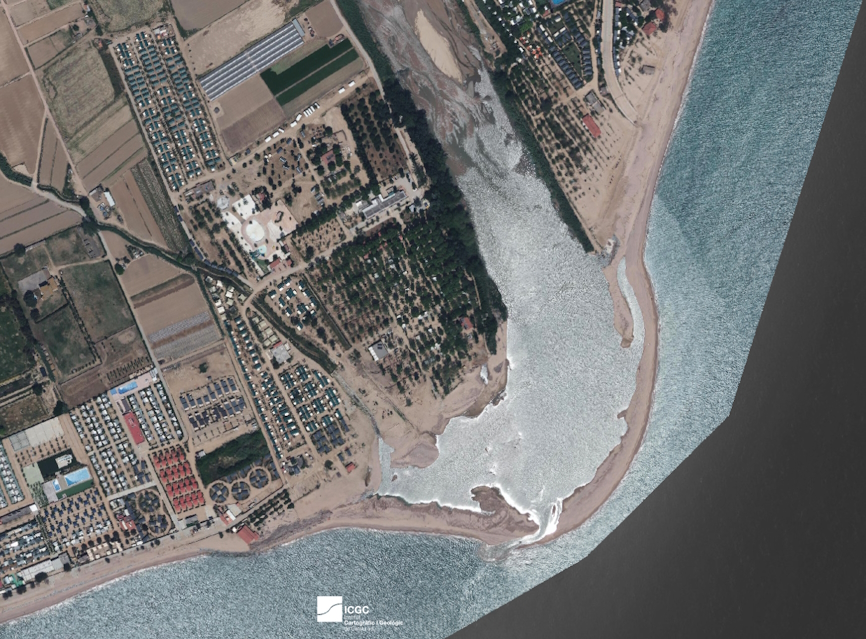
El objetivo principal de este proyecto de investigación es co-desarrollar gemelos digitales para la predicción de la cantidad y calidad del agua en las cuencas del Ter y la Tordera, incluyendo cuencas, embalses y zonas costeras, contribuyendo a una gestión eficiente de los recursos hídricos, protegiendo los ecosistemas y maximizando la seguridad hídrica en un contexto de cambio climático.
Se centra en el análisis taxonómico detallado y la evaluación trófico-funcional del macrobentos de sustrato blando en diversas regiones del mundo, con el objetivo de proporcionar asesoramiento científico riguroso que permita completar los estudios de monitorización y gestión del impacto ambiental de proyectos.
El proyecto busca diseñar soluciones de tratamiento de aguas residuales basadas en la naturaleza, específicamente adaptadas a las condiciones de alta montaña.