Scientific research generates key knowledge to address increasingly complex environmental challenges, such as those associated with global change driven by human pressures. However, for this knowledge to have a real impact, it must reach decision-makers in a clear and useful way: managers of natural areas, public administrations, companies and organisations working across the territory.
In this context, knowledge transfer is one of the strategic priorities of the Blanes Center for Advanced Studies (CEAB-CSIC). The centre actively participates in initiatives that facilitate dialogue between the scientific community and those responsible for managing the natural environment, with the aim of promoting evidence-based decision-making.
A platform connecting research and management
One of the key initiatives in this field is the Prismàtic platform, an open digital space that compiles cutting-edge scientific knowledge generated by research centres and makes it available to land managers and planners.
Promoted by the Department of Territory, Housing and Ecological Transition and coordinated by CREAF within the framework of the Natural Heritage and Biodiversity Observatory, the platform brings together contributions from more than 20 research institutions. Its aim is to facilitate access to scientific information relevant to the management of natural heritage and biodiversity.
The platform currently includes hundreds of scientific resources summarised in concise and accessible briefing sheets that present the main research findings in clear language oriented towards decision-making. This format allows technical staff and environmental managers to save time when searching for information and to apply scientific knowledge more quickly in territorial planning and management.
Each briefing sheet summarises a relevant scientific study, manual or report, highlighting its key findings, management implications and practical recommendations. This format helps managers quickly identify the available scientific evidence on a particular problem or management practice, from species conservation to ecosystem restoration or climate change adaptation.
Examples of CEAB briefing sheets
Researchers and research support staff at the Centre actively contribute to the platform through briefing sheets that summarise scientific knowledge relevant to the management, conservation and restoration of different ecosystems. Some examples include:
-Inland water ecosystems
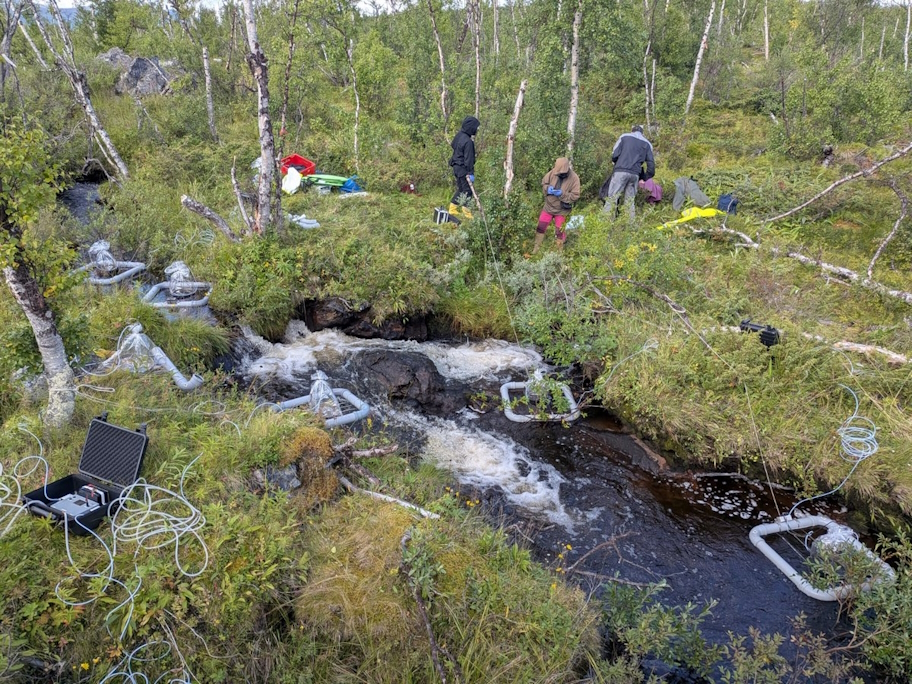
In river and lake environments, the briefing sheets provide tools and approaches that can help improve the management of aquatic ecosystems, often in highly human-modified contexts.
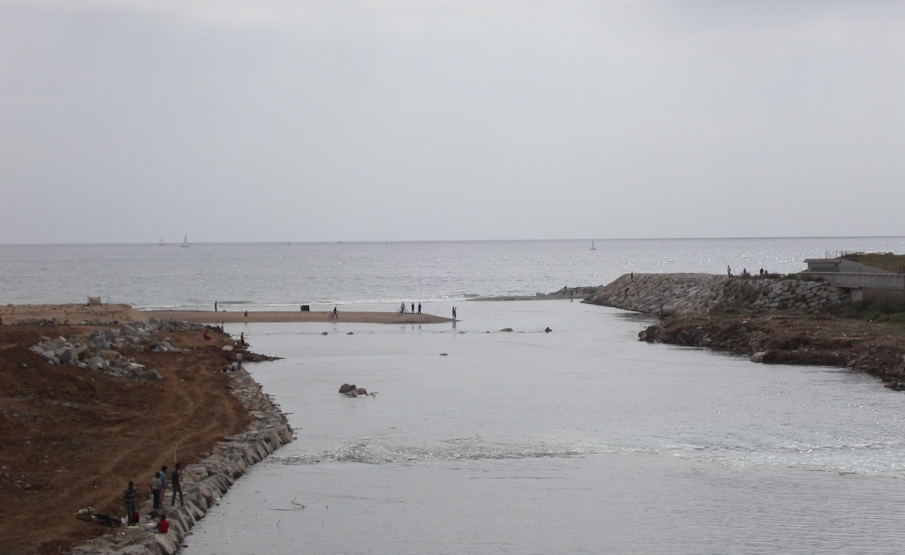
One example is the briefing sheet “How can the health of urban rivers be assessed in an integrated way?”, which proposes a holistic approach to evaluating the condition of urban rivers by integrating ecological, chemical, physical and social indicators. This approach broadens traditional assessment methods and can help managers and practitioners plan restoration or environmental improvement actions in urban environments.
Other briefing sheets within this area address topics such as the restoration of different aquatic ecosystems, the management of high-mountain lakes and the conservation of biodiversity in river systems.
– Marine ecology and coastal ecosystems
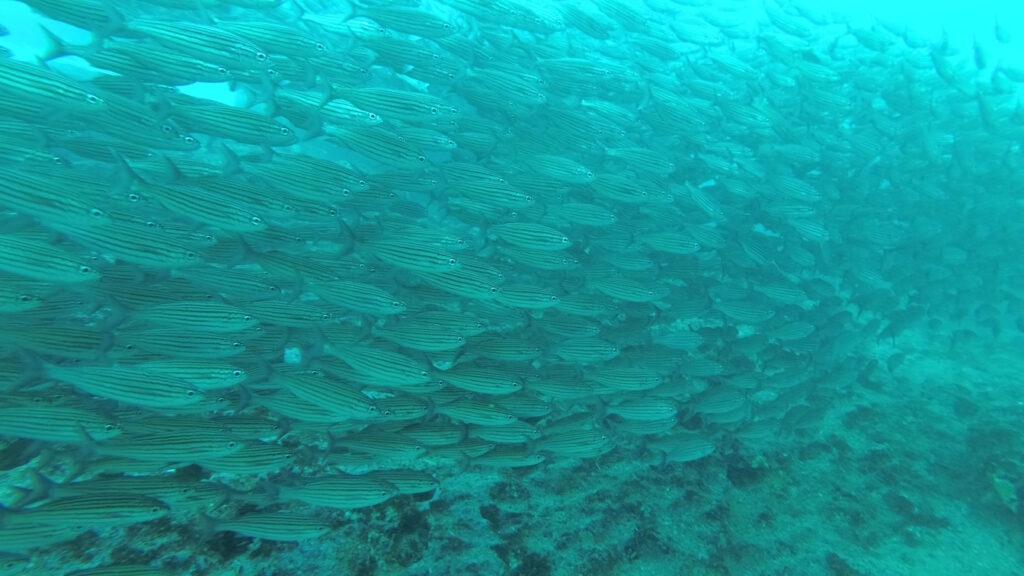
Research carried out at CEAB also contributes to improving the knowledge available for the management of Mediterranean coastal marine ecosystems.
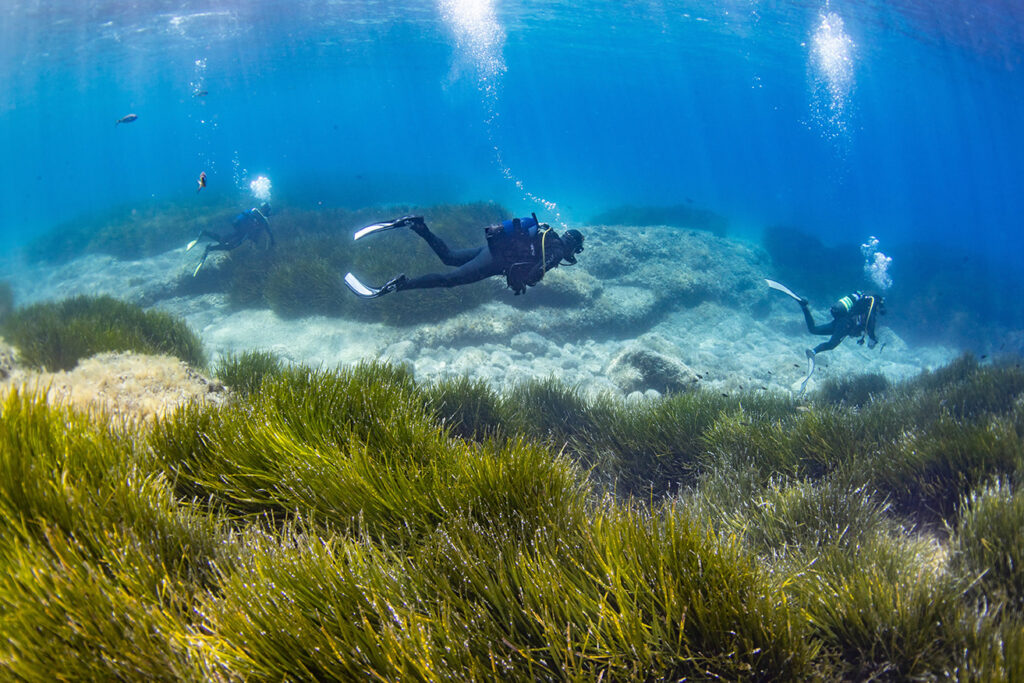
For example, the briefing sheet “Impact of Storm Gloria on Posidonia oceanica seagrass meadows” analyses the effects of an extreme weather event on these key Mediterranean coastal habitats and provides useful information for monitoring and restoring seagrass meadows.
Another noteworthy briefing sheet is “Restoring gorgonian forests to reduce mortality associated with climate change”, which compiles scientific knowledge on restoration strategies for these benthic communities, particularly vulnerable to sea warming and marine heatwaves.
A community supporting informed decisions
Beyond the briefing sheets themselves, the platform also promotes dialogue between science and management through seminars, meetings and other activities that facilitate the exchange of knowledge and experiences between researchers and environmental managers.
One of these activities is the Rumbs Prismàtic training programme, which this year has focused on urban river renaturalisation and in which CEAB-CSIC and Urban River Lab researcher Eugènia Martí Roca has played a key role.
With the active participation of CEAB-CSIC and other research centres, initiatives like this help build bridges between scientific knowledge and decision-making — an essential step in addressing present and future environmental challenges with solid, evidence-based information.