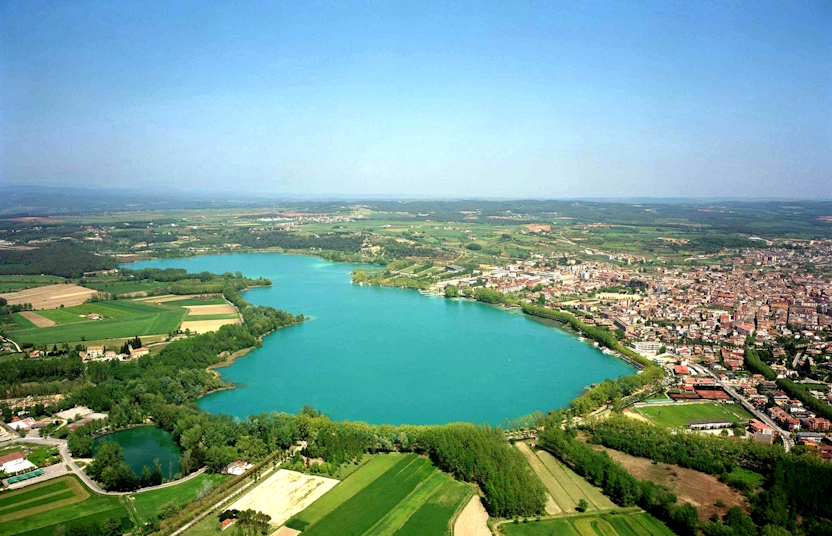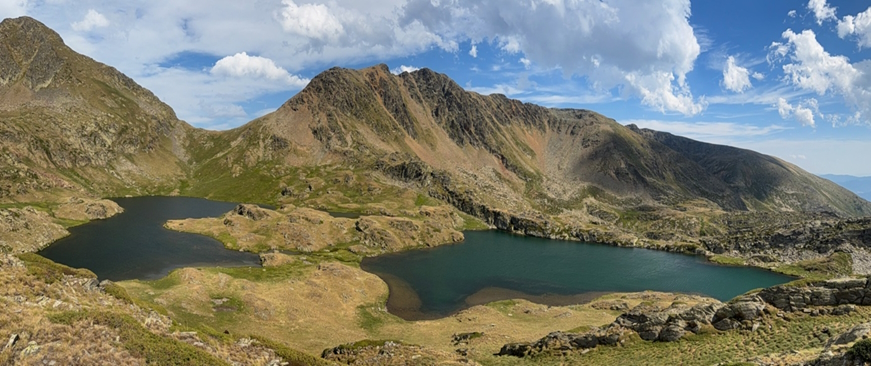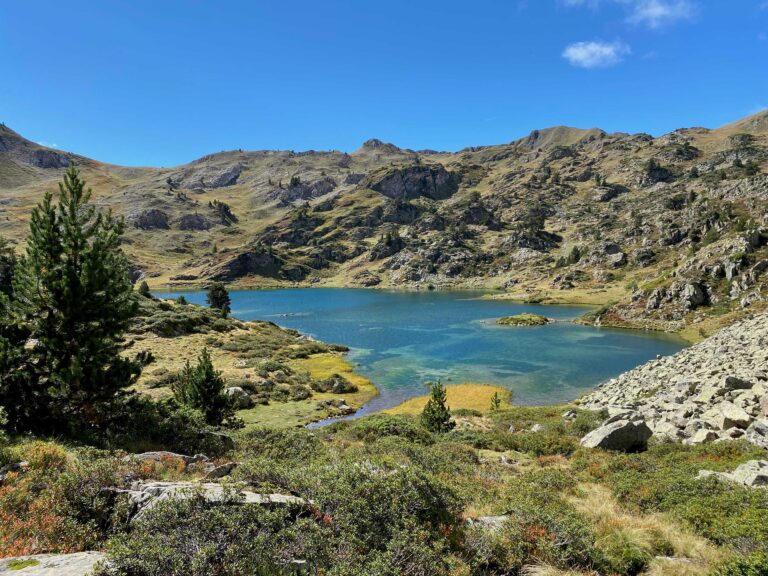
The event will bring together around ninety experts to share the latest advances in the conservation and ecological restoration of mountain aquatic ecosystems. Organised within the framework of LIFE RESQUE ALPYR, it will include the presentation of the project’s main achievements, as the initiative comes to an end in 2026.
The International Conference on the Conservation of High Mountain Lakes and Mires & 2nd International Meeting on the Conservation of High Mountain Lakes will take place in Vielha (Val d’Aran, Catalan Pyrenees) on 28, 29 and 30 October.
The conference will bring together specialists, primarily from the scientific and technical sectors, working on the conservation and ecological restoration of high mountain lakes, ponds, streams, peatlands, wet meadows and other aquatic ecosystems. These environments are increasingly affected by pressures arising from climate change, hydrological alterations, land-use changes and the introduction of invasive species.
The aim of the event is to share the latest advances in this field. These include those linked to the LIFE RESQUE ALPYR project (2022–2026), through which a range of ecological restoration actions have been carried out across four Natura 2000 sites in the Pyrenees and the Alps. Key actions include the removal of introduced fish from mountain lakes, the functional restoration of peatlands and wet meadows, improvements to grazing management in these ecosystems, and the recovery of particularly sensitive species such as amphibians, mammals and aquatic invertebrates. In addition to presenting the outcomes achieved, including biodiversity recovery results, participants will share protocols and methodologies that could be applied in other regions of the world.
An Internationally Renowned Programme
The invited speakers include Roland Knapp (University of California), a world-leading expert in high mountain lake restoration and amphibian conservation; Helge Bardal (Norwegian Veterinary Institute), a specialist in the eradication of invasive species in freshwater ecosystems; Borja Jiménez-Alfaro (University of Oviedo), a leading researcher in plant biodiversity and mountain ecology; as well as researchers Lucia Bello and Rocco Tiberti (University of Calabria), both directly involved in the LIFE RESQUE ALPYR project. The programme also features contributions from representatives of the project partners and the protected areas where the restoration actions have been implemented.
The conference scientific committee comprises Teresa Buchaca and Marc Ventura (CEAB-CSIC), Rocco Tiberti (University of Calabria), Aaron Pérez-Haase (University of Barcelona) and Quim Pou-Rovira (Sorelló). They are responsible for ensuring the scientific quality of a programme that will bring together some of the leading international specialists in the field.
The third and final day of the event will be devoted to a field visit to Muntanyó d’Àrreu Lake and the Clots de Rialba peatlands, two of the sites where LIFE RESQUE ALPYR has delivered ecological restoration actions. The excursion will allow participants to observe first-hand the results of the interventions carried out and to exchange experiences on the management and conservation challenges facing some of Europe’s most unique and vulnerable mountain ecosystems.
Further information and the full programme are available via this link.
Restoring Unique Ecosystems in the Pyrenees and the Alps
High mountain aquatic and semi-aquatic ecosystems, including lakes, ponds, streams, peatlands and wet meadows, support highly specialised biodiversity adapted to extreme environmental conditions. Despite their exceptional ecological value, they are among the habitats most vulnerable to the impacts of climate change and other human-induced pressures.
These environments provide essential ecosystem services, including water and carbon storage, hydrological regulation, and the conservation of numerous rare or threatened species. Their protection is therefore considered a priority at the European level.
In this context, the LIFE RESQUE ALPYR project has contributed to generating scientific knowledge and management tools that can support the restoration and conservation of these ecosystems in other mountain areas across the Pyrenees, the Alps and elsewhere in Europe.