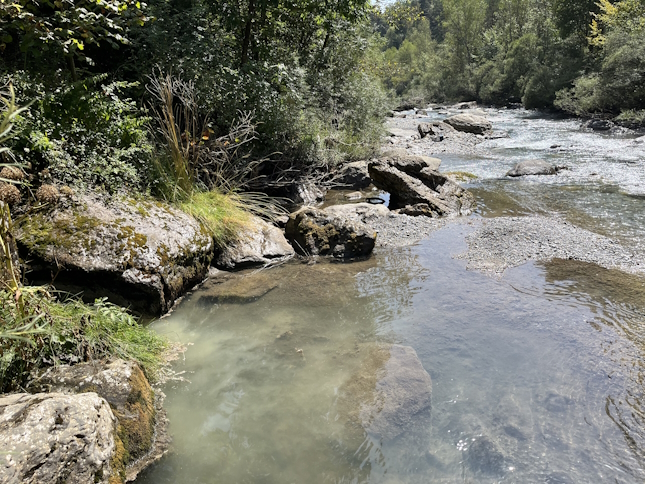
Wastewater in High Mountain Areas: Impact on Microbial Communities and Strategies for Its Mitigation (RAMi)
The project aims to design nature-based wastewater treatment solutions specifically adapted to high-mountain conditions.


The project aims to design nature-based wastewater treatment solutions specifically adapted to high-mountain conditions.

Exploring Invisible Biodiversity in Pyrenean Lakes, Sentinels of Climate Change, Through High-Resolution Portable Genomics

This project by CREAF-CSIC, with the direct participation of researchers from CEAB-CSIC, aims to study cyanobacteria in high-mountain lakes and their environmental impact due to the recent increase in these organisms.

Pharmaceutical micro-pollutants are chemicals used for human and animal health care that are found everywhere including in soil, water and sediment. This chemical contamination is usually associated with microbiological contamination (by microorganisms and/or their genetic material) from humans, animals and the environment.
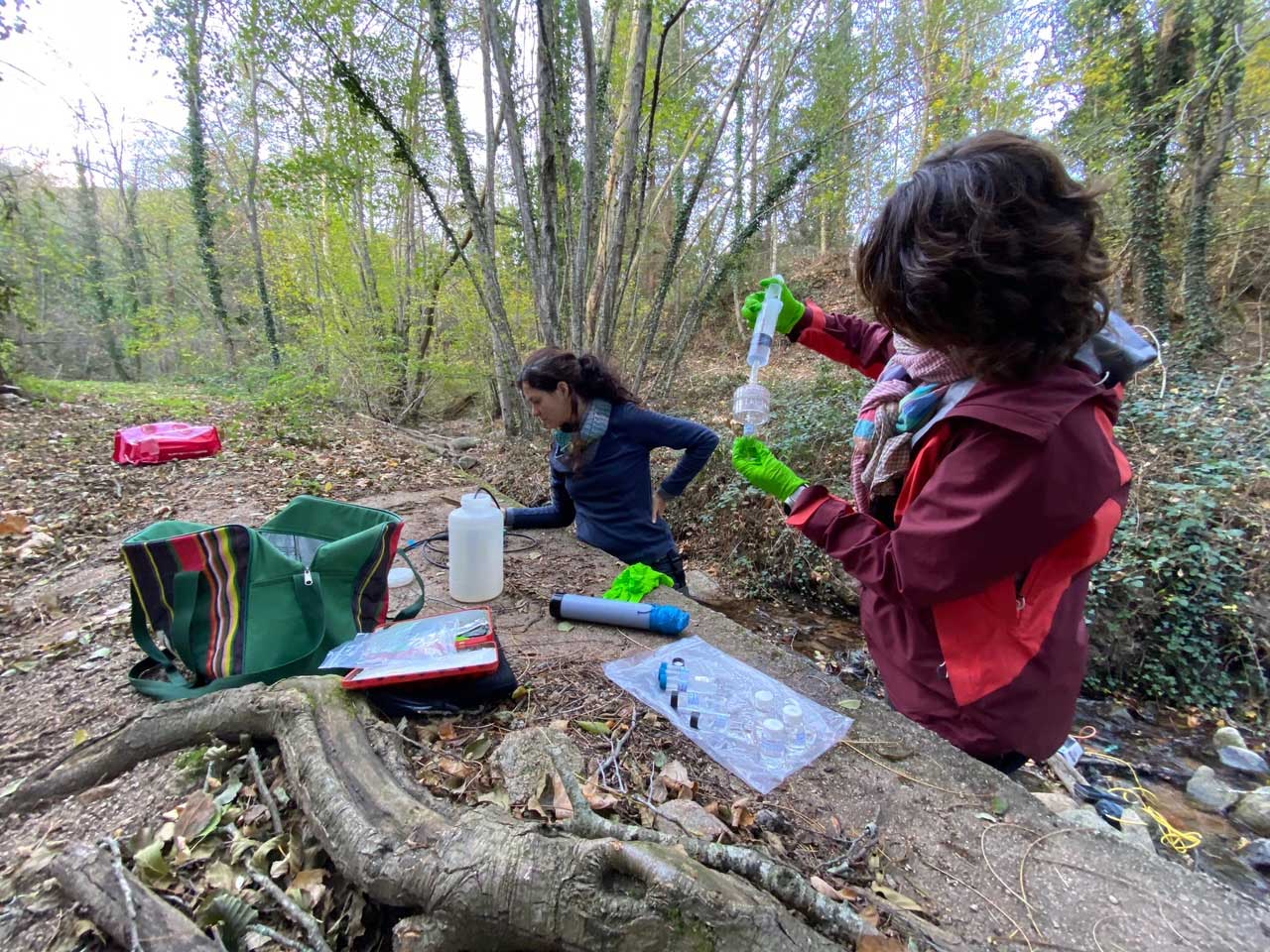
Evaluate the nitrogen retention capacity of rivers at different time scales and explore whether restoration with green infrastructure can significantly contribute to improving their self-purification capacity.
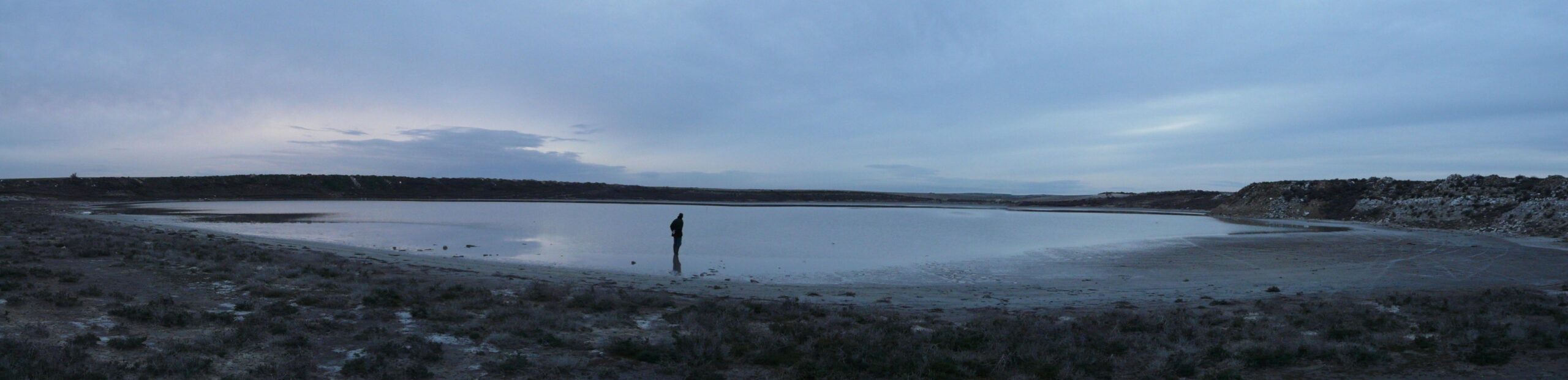
AEROSMIC studies the functional traits present in the aerial microbiota with long-range dispersal in the free troposphere using one of the largest long-term data sets available at a high mountain point above the boundary layer collected by our own group of investigation.
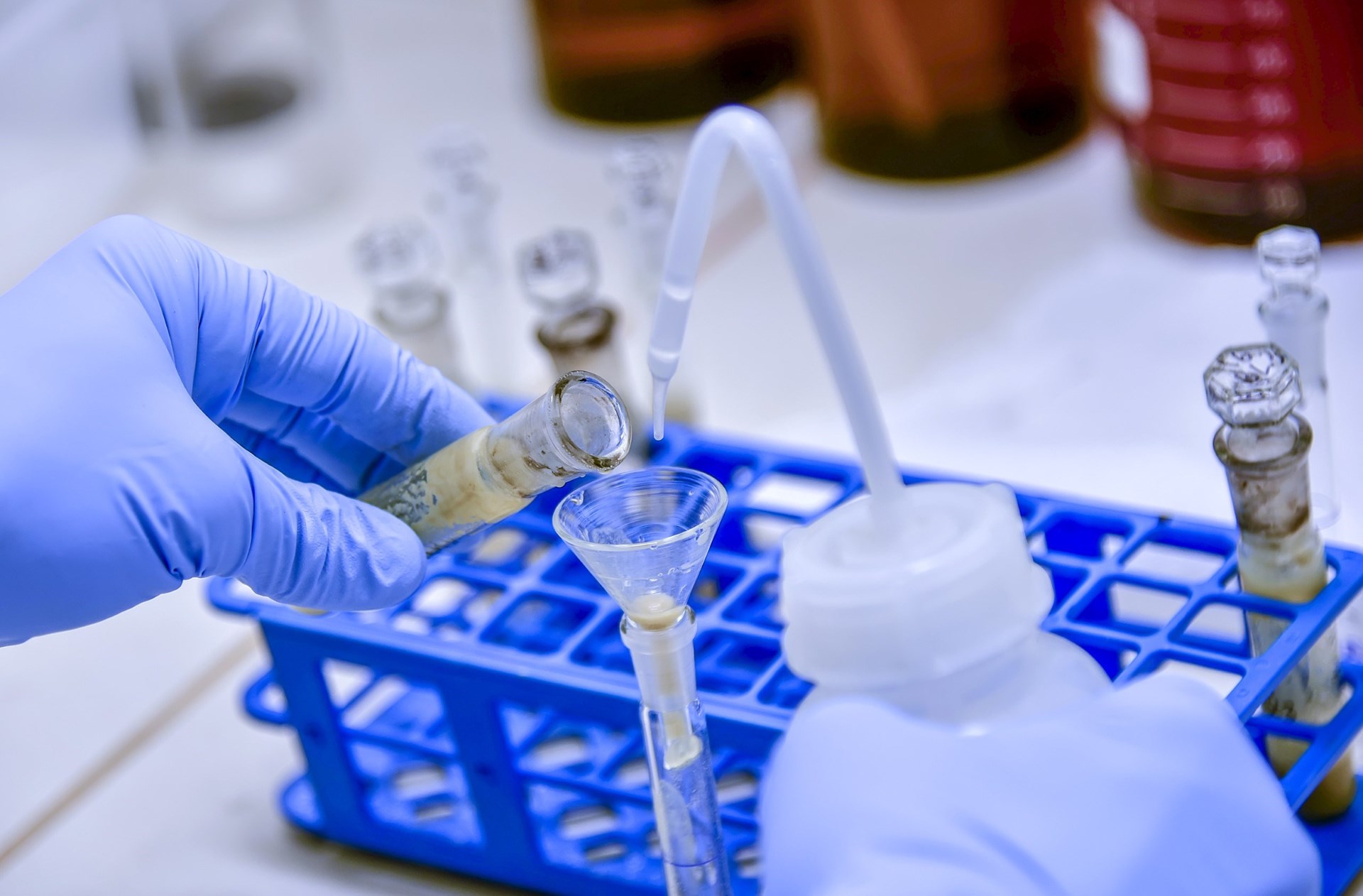
PRORISK’s vision is to provide exceptional value by creating an innovative platform to train a network of early stage researchers (ESR) in the field of Environmental Risk Assessment (WAS).
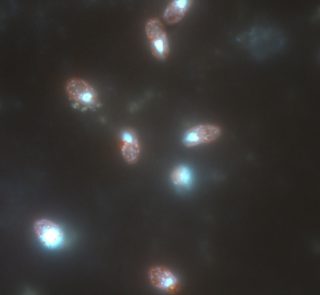
INTERACTOMA proposes computational approaches that exploit the co-occurrence of genes with known and unknown function and the environmental co-occurrence of different microbial species to generate hypotheses and prioritize future research objectives with ecological or biotechnological interest, using saline lakes and lakes as model systems. alpines, as well as the microbiome of animal and plant host species along climatic and geographic gradients.

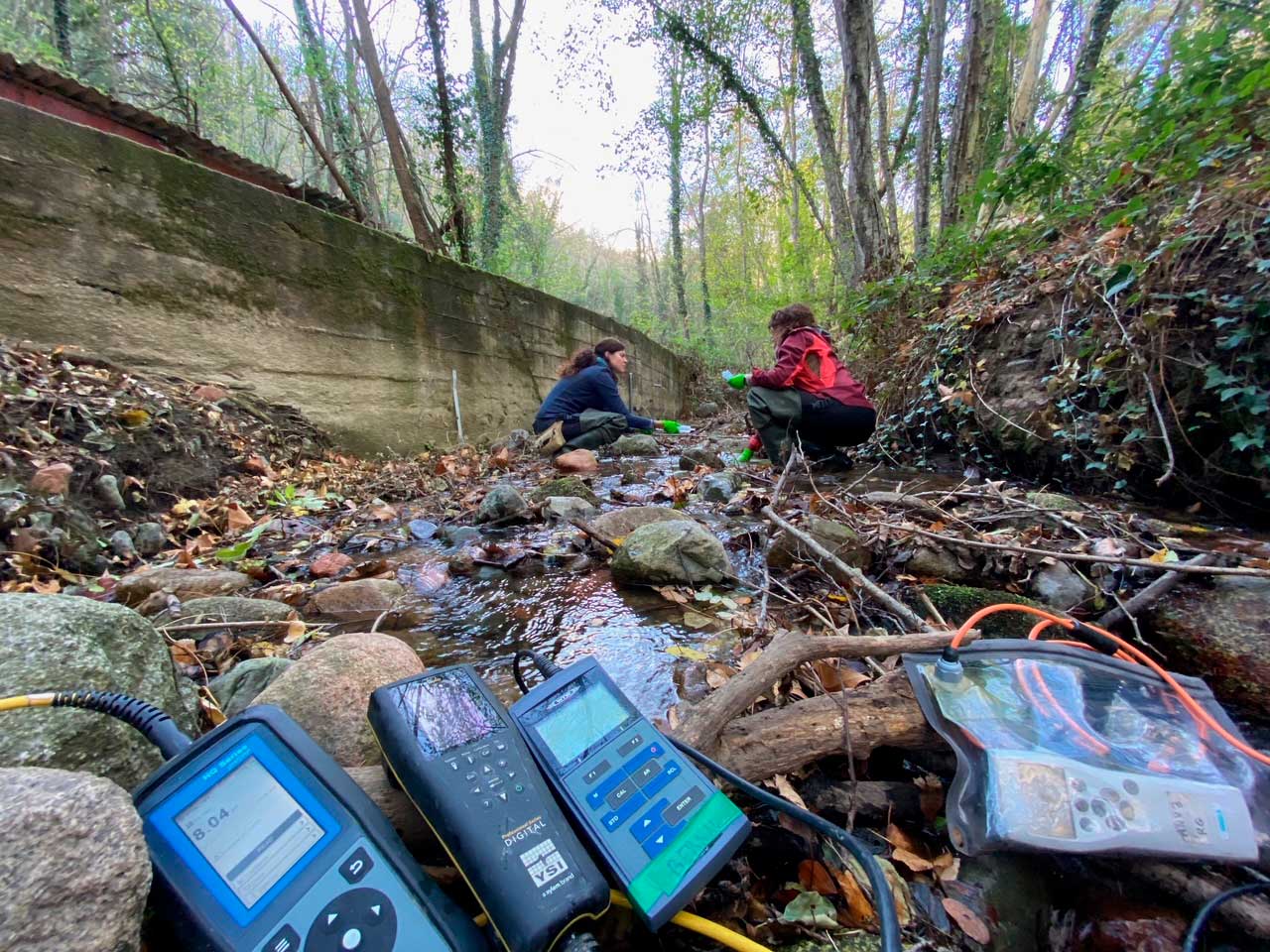
In this project, we measure the anthropogenic impact on the rivers of high mountain national parks, investigate the response of river ecosystems to this impact, and evaluate management strategies to mitigate this impact.
Determining whether ecosystems act as sources or sinks of carbon (C) is essential to mitigate the consequences of climate change and to carry out restoration actions and environmental policies that help us confront the climate crisis.


