Skip to content

Best chemical risk assessment professionals for maximum ecosystem services benefit (PRORISK)

PRORISK

prorisk
PRORISK's vision is to provide exceptional value by creating an innovative platform to train a network of early stage researchers (ESR) in the field of Environmental Risk Assessment (WAS).

Project colaboration

Vision of PRORISK is to provide a unique value by creating a novel platform for training a network of Early Stage Researchers (ESRs) in the field of advanced Environmental Risk Assessment (ERA). ERA is nowadays rapidly changing from relying on simplified descriptive laboratory tests to incorporating mechanistic, ecological and socio-economic process information. This revolutionizes the risk assessment making it increasingly comprehensive, realistic and relevant, also under consideration of other modulating effects such as non-chemical stressors or impact of global change.
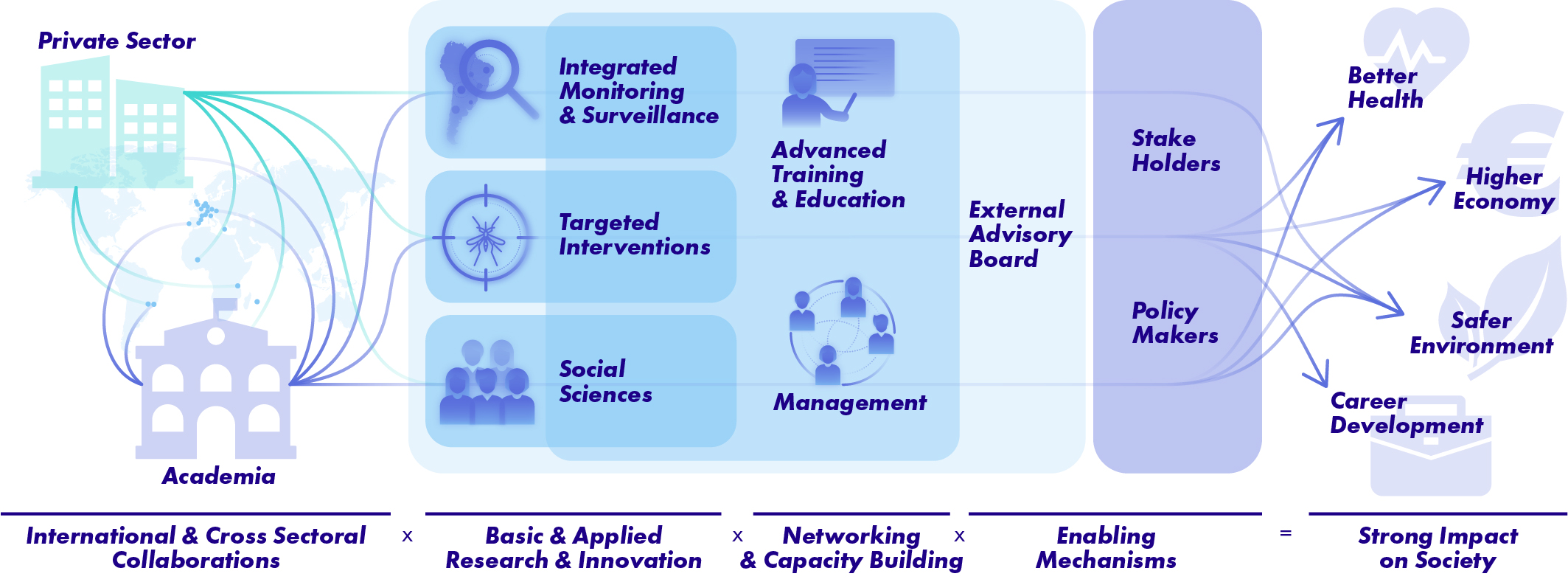
ESRs in PRORISK will gain the abilities to address this major challenge in risk assessment paradigm shift. They will work as future experts at the interface between the key concepts of sustainable protection of ecosystems and health – i.e. adverse outcome pathways (AOPs) and ecosystem services. Young researchers within PRORISK will develop and integrate mechanistic understanding, in-depth analyses of chemical-biological interactions and exposure, and functioning of ecosystems. They will be able to tackle increasingly complex data. They also will be able to critically evaluate robustness of risk predictions and assess the socio-economic costs of environmental damage. PRORISK will allow the ESRs to develop the critical capability to synthesize processes across different levels of biological organization and different mechanistic, ecosystem and socio-economical concepts. This will empower ESRs to shape future regulatory missions protecting the ecosystems services and assuring thus sustainability of ecosystem services and prosperity long beyond the PRORISK project.
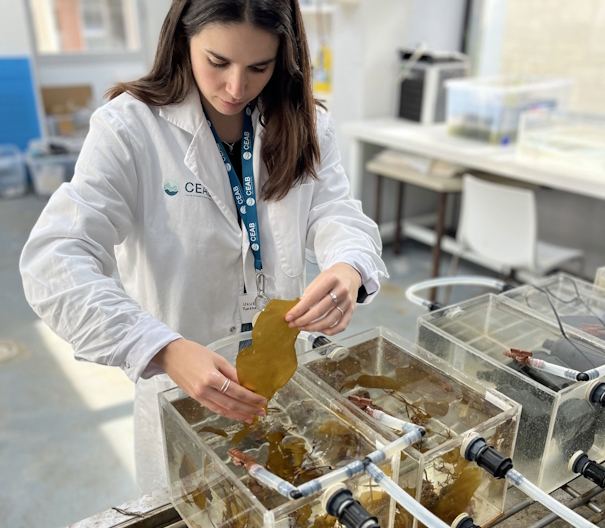
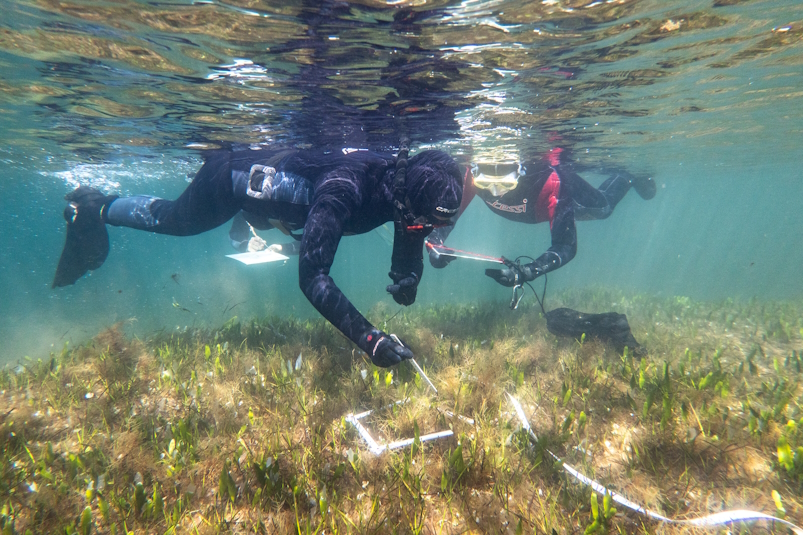
General project information

Development period
Start

01/04/2020

End

-

Department

Responsible researcher

Tenured Scientist

Funding entities

Institutions/collaborators

Social networks of the project

You may also be interested in

Cross-border project to detect and monitor non-indigenous marine species in Catalonia and Occitanie, enhancing scientific cooperation, citizen participation, and management of impacts on ecosystems and coastal economies.
DryingLake addresses the problem of inland water desiccation, which is increasingly affecting ecosystems worldwide due to both climate change and the diversion of water for irrigation.
By combining satellite images, remote sensors, and field data, the project will provide effective tools to help managers and policymakers monitor and assess coastal carbon ecosystems and integrate blue carbon into national climate inventories and policies.
The Network's main objective is to foster collaboration between national and international research groups to advise society and authorities on the key role of BCEs.
It proposes to develop an innovative and non-destructive method to quantify carbon stocks. This method will use advanced technologies such as geoacoustics, autonomous vehicles, drones, satellite imagery and artificial intelligence, also allowing the exploration of “hidden” carbon deposits under layers of sediment, which have so far been ignored.