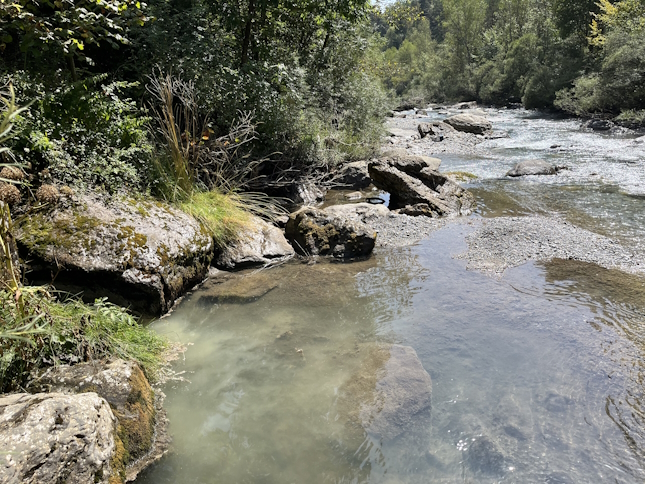
Wastewater in High Mountain Areas: Impact on Microbial Communities and Strategies for Its Mitigation (RAMi)
The project aims to design nature-based wastewater treatment solutions specifically adapted to high-mountain conditions.


The project aims to design nature-based wastewater treatment solutions specifically adapted to high-mountain conditions.

BREATHE develops a global, sensor-based system to monitor river health through dissolved oxygen and river metabolism, linking ecosystem functions to services such as climate regulation and water purification.

Exploring Invisible Biodiversity in Pyrenean Lakes, Sentinels of Climate Change, Through High-Resolution Portable Genomics
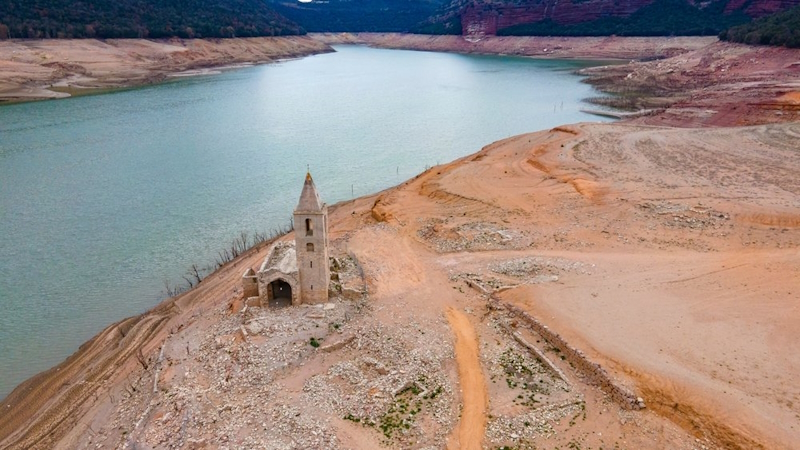
In a context in which prolonged periods of drought are becoming more frequent, the intoDBP project takes on special importance for its innovative approach to water management. The project aims to improve water quality and minimize exposure to harmful disinfection byproducts.
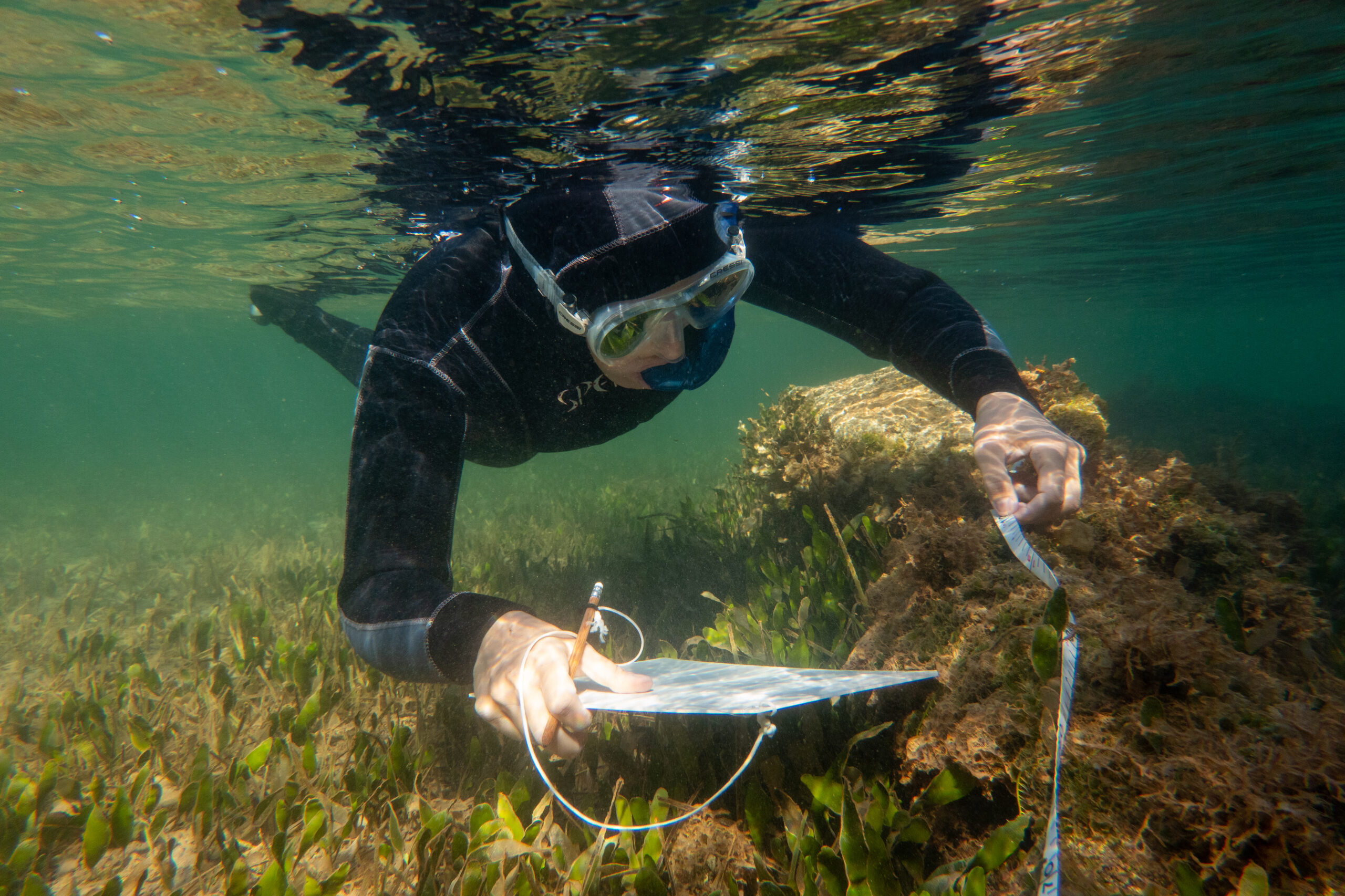
The development of effective strategies for the conservation of Cystoseira residual forests based on new tools to monitor them is of fundamental importance today. This project has been designed to provide these tools and assist environmental policy makers in the management of Cystoseira forests.
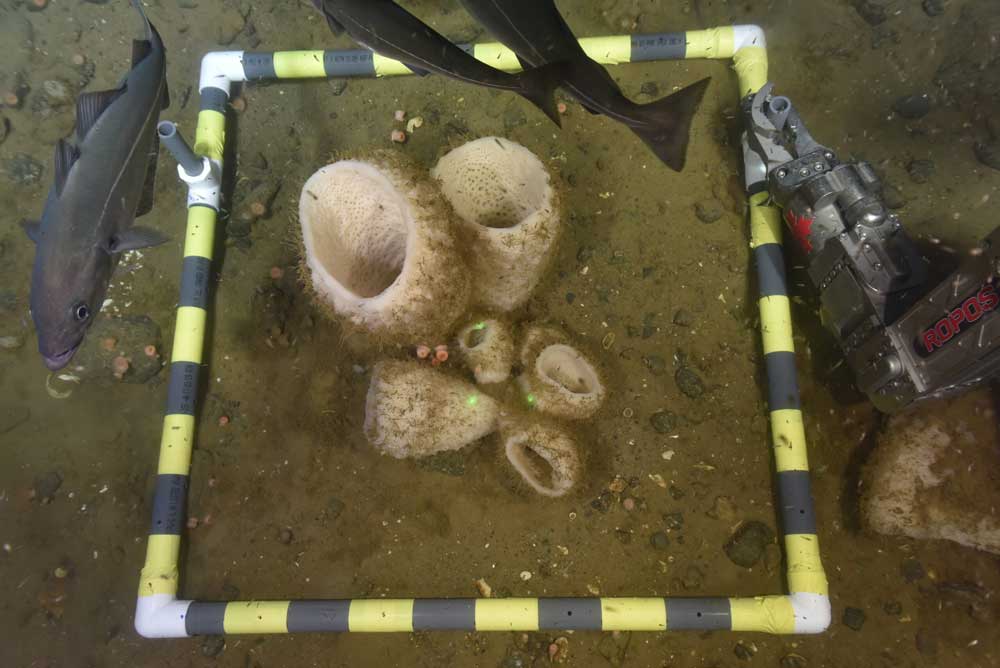
SponBIODIV’s main goal is to establish a sponge diversity and distribution baseline knowledge, as well as delivering tools to improve management and conservation of sponges across the Atlantic and Mediterranean.
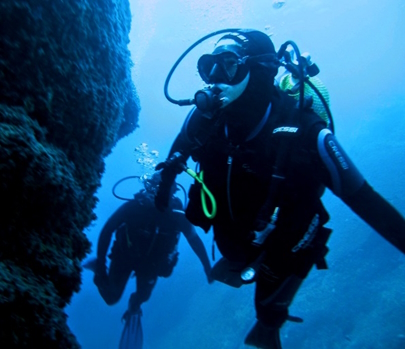
The research project studies the role of sponges in the marine silicon cycle, with emphasis on silicon production and turnover, and exploring possible biotechnological applications.
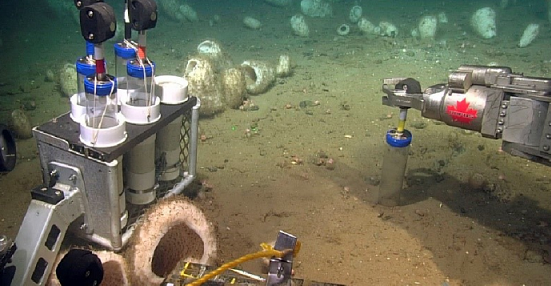
Fractionation of silicon isotopes using sponges for biotechnology.
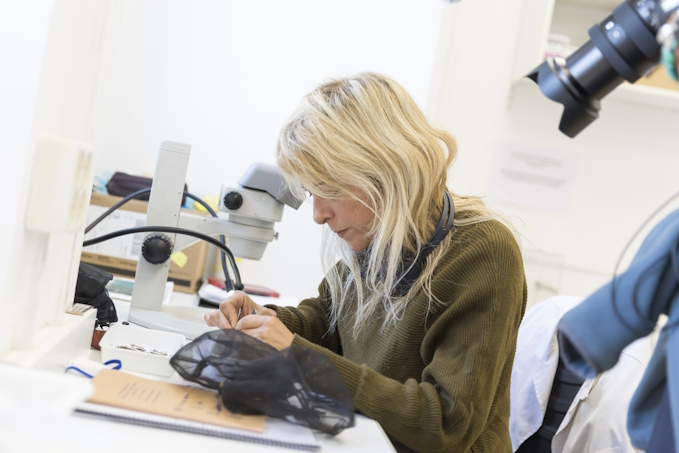
The project consists of creating a Versatile Observatory of Emerging Infectious Diseases (VEO) that makes it possible to bring together high-quality information from which to develop early warning tools. The Observatory will monitor emerging infectious diseases, as well as the emergence of bacterial resistance, in order to carry out a risk assessment.
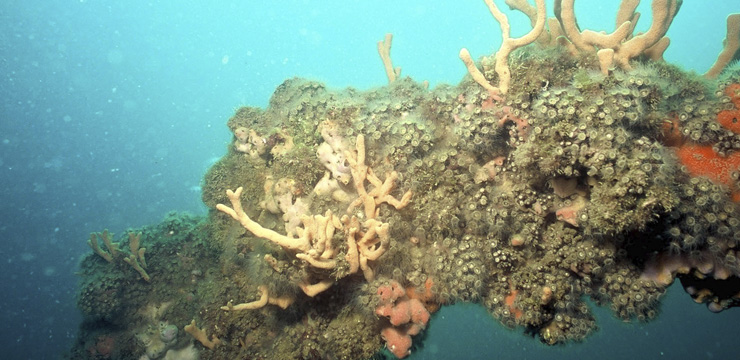
The main objective is to combine artificial reefs based on the innovative Biorock technology with filter-feeding or suspension-feeding benthic organisms (e.g., sponges, ascidians, annelids, scleractinians, hydroidolines, bryozoans) to bioremediate coastal seabeds.


