Skip to content

Innovative Tools to Control Organic Matter and Disinfection Byproducts in Drinking Water (intoDBP)

intoDBP

intodbp
In a context in which prolonged periods of drought are becoming more frequent, the intoDBP project takes on special importance for its innovative approach to water management. The project aims to improve water quality and minimize exposure to harmful disinfection byproducts.

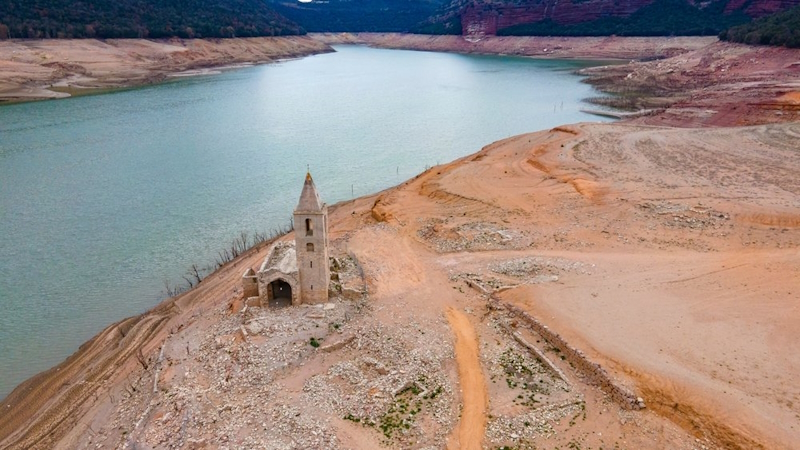
The intoDBP project was featured in the 22 Med website article addressing the extreme climate challenges affecting Barcelona and other European regions. The article explains how the region is facing its most serious drought in more than a century, a crisis that extends beyond its borders to other regions of Spain.

As water resources and the environment are severely affected by prolonged periods of drought, the need for long-term sustainable solutions has never been more urgent. In this context, the intoDBP project is mentioned for its innovative approach to water management. The project aims to improve water quality and minimize exposure to harmful disinfection byproducts.

With Catalonia implementing its Special Drought Response Plan, intoDBP’s contributions are critical to promoting the region’s water security and resilience strategies. Find out more about how the intoDBP project is helping Catalonia and other areas potentially affected by drought by visiting the full article on the 22 med website.
General project information

Financing amount

780507.50€

Development period
Start

01/12/2022

End

30/11/2026

Department
Research areas and themes

Responsible researcher

Research Scientist

Other researchers and involved staff

Funding entities

next-generation-plan-de-resiliencia

Institutions/collaborators

Social networks of the project

You may also be interested in

Cross-border project to detect and monitor non-indigenous marine species in Catalonia and Occitanie, enhancing scientific cooperation, citizen participation, and management of impacts on ecosystems and coastal economies.
DryingLake addresses the problem of inland water desiccation, which is increasingly affecting ecosystems worldwide due to both climate change and the diversion of water for irrigation.
By combining satellite images, remote sensors, and field data, the project will provide effective tools to help managers and policymakers monitor and assess coastal carbon ecosystems and integrate blue carbon into national climate inventories and policies.
The Network's main objective is to foster collaboration between national and international research groups to advise society and authorities on the key role of BCEs.
It proposes to develop an innovative and non-destructive method to quantify carbon stocks. This method will use advanced technologies such as geoacoustics, autonomous vehicles, drones, satellite imagery and artificial intelligence, also allowing the exploration of “hidden” carbon deposits under layers of sediment, which have so far been ignored.