Skip to content

Monitoring river metabolism to assess ecosystem services (BREATHE)

BREATHE develops a global, sensor-based system to monitor river health through dissolved oxygen and river metabolism, linking ecosystem functions to services such as climate regulation and water purification.

The BREATHE project aims to improve the assessment of river ecosystem health through the development of an international, sensor-based River Observation System (RIOS). Current evaluation methods do not adequately reflect the structure and function of aquatic ecosystems and are difficult to translate into ecosystem services. BREATHE builds on advances in aquatic sensors, river metabolism, and data processing capacity to monitor river functions—particularly through dissolved oxygen—to quantify services such as climate regulation, water purification, and fisheries provisioning.

The project engages key stakeholders in the co-design of workflows and the development of case studies across diverse regions (Brazil, Spain, Switzerland, the United Kingdom, Norway, and Sweden), addressing both shared challenges and local priorities in freshwater ecosystem management.

General project information

Development period
Start

01/03/2025

End

29/02/2028

Department
Research areas and themes

Responsible researcher

Tenured Scientist | Head of Department of Ecology of Inland Waters

Other researchers and involved staff

Funding entities

Institutions/collaborators

Social networks of the project

You may also be interested in

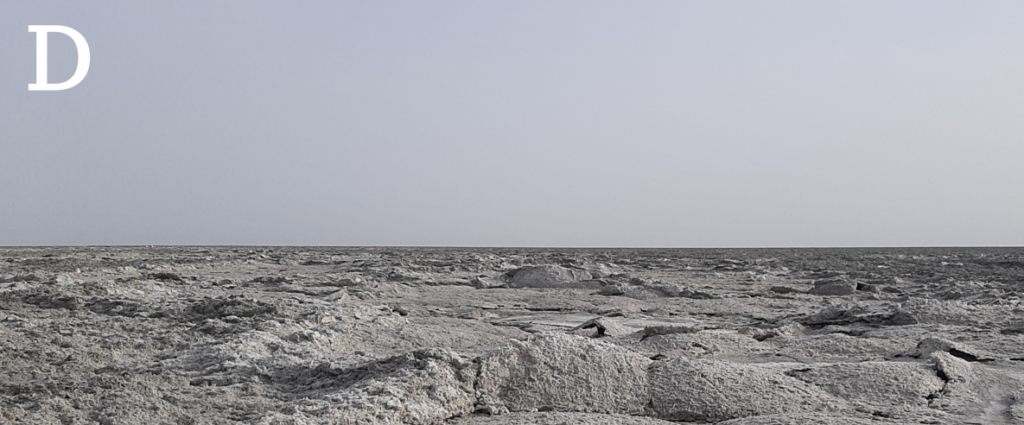
DryingLake addresses the problem of inland water desiccation, which is increasingly affecting ecosystems worldwide due to both climate change and the diversion of water for irrigation.
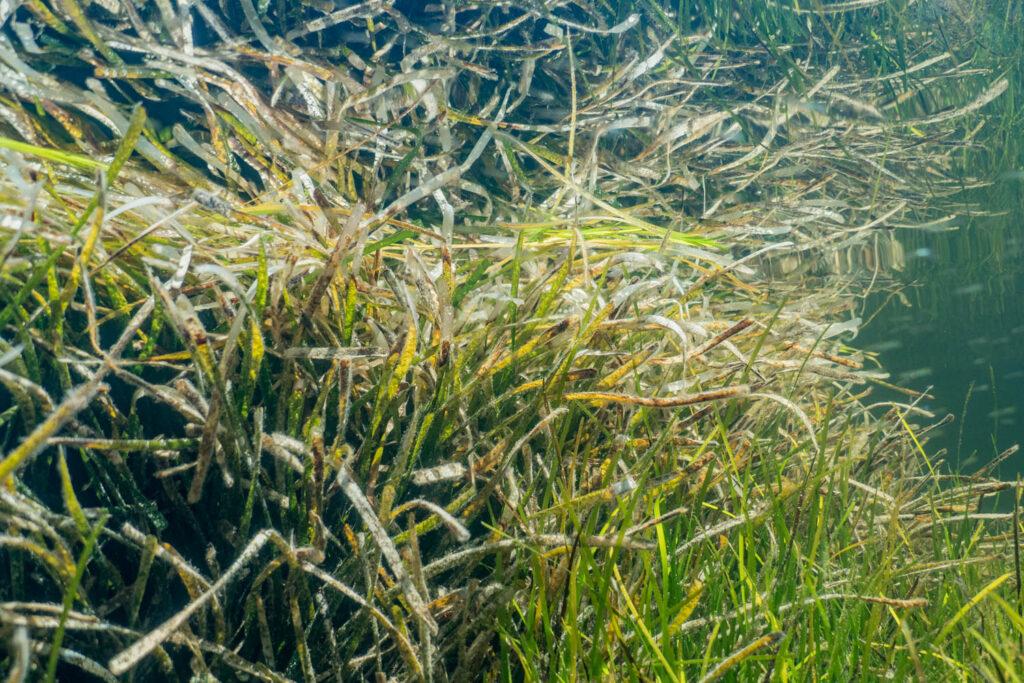
By combining satellite images, remote sensors, and field data, the project will provide effective tools to help managers and policymakers monitor and assess coastal carbon ecosystems and integrate blue carbon into national climate inventories and policies.
The Network's main objective is to foster collaboration between national and international research groups to advise society and authorities on the key role of BCEs.
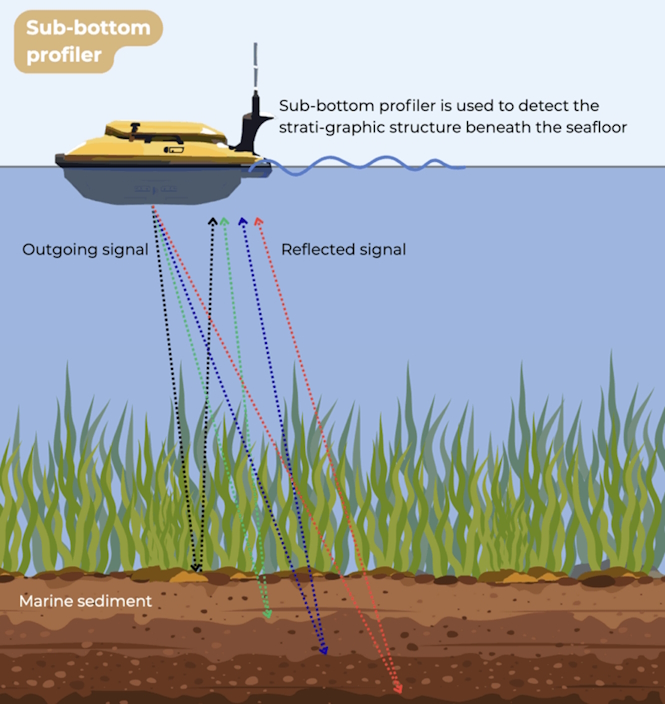
It proposes to develop an innovative and non-destructive method to quantify carbon stocks. This method will use advanced technologies such as geoacoustics, autonomous vehicles, drones, satellite imagery and artificial intelligence, also allowing the exploration of “hidden” carbon deposits under layers of sediment, which have so far been ignored.
Aims to explore how regional topography and local changes in land and water use scale up to intercontinental dispersion, using metagenomics tools, high-performance computing, real-time satellite data monitoring, and atmospheric modeling.