Wastewater in High Mountain Areas: Impact on Microbial Communities and Strategies for Its Mitigation (RAMi)
The project aims to design nature-based wastewater treatment solutions specifically adapted to high-mountain conditions.

The project aims to design nature-based wastewater treatment solutions specifically adapted to high-mountain conditions.

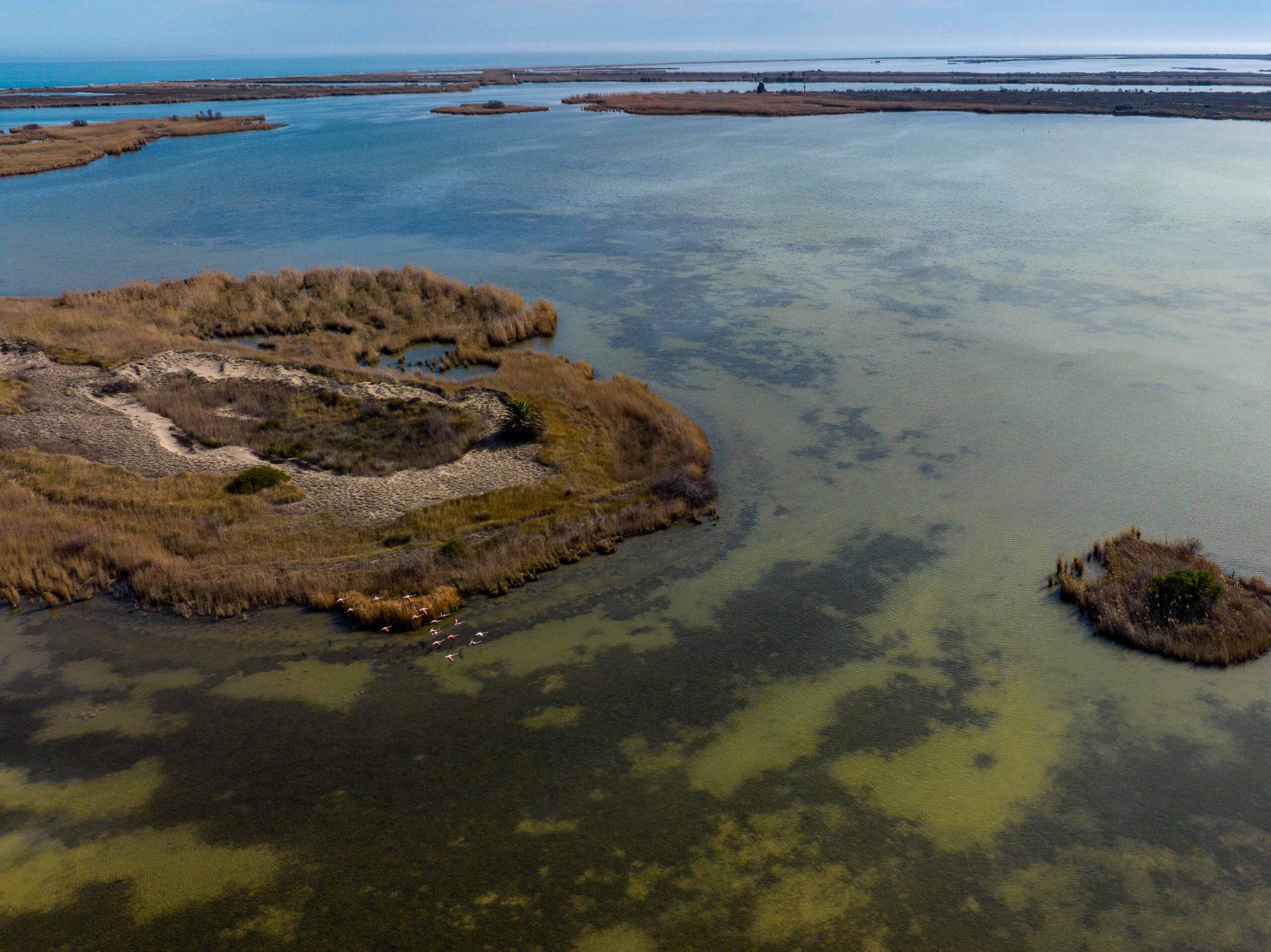
Given the recent detection of Perkinsus infecting mussels cultivated in the aquaculture area of the Ebro Delta and the lack of knowledge regarding its diversity, distribution, and ecology, this project aims to assess the epidemiological status of the disease Perkinsosis in the mussel aquaculture sector in Catalonia, in order to understand its potential impact.

Pharmaceutical micro-pollutants are chemicals used for human and animal health care that are found everywhere including in soil, water and sediment. This chemical contamination is usually associated with microbiological contamination (by microorganisms and/or their genetic material) from humans, animals and the environment.

For marine strategies of the State. Improvement of scientific knowledge about the state of the marine environment at the national level.

The starting hypothesis of this study is that to develop a sustainable and resilient offshore wind industry in Spain, it is necessary to implement methodologies and regulatory schemes that address the particularities of this technology, referring to the administrative authorization regime, financing schemes, protection and governance of the marine environment, and coexistence with other activities.

The goal of the Alter-C coordinated project is to understand how C sinks and sources in inland waters are affected by reductions in current and future conditions. Alter-C combines cutting-edge methodologies with an integrative perspective, including river networks, lakes, ponds and reservoirs.

Naiads or large freshwater bivalves (Mollusca, Bivalvia, Unionoidea) are currently considered one of the most endangered animal groups on the planet. The NÀIADES project aims to generate the knowledge necessary to prepare the recovery plan for this group of animals in Catalonia.

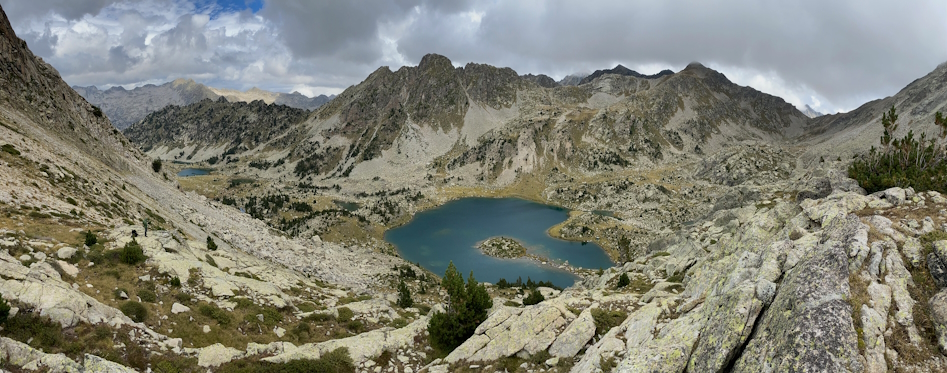
Despite their remote location, high mountain aquatic spaces are subject to anthropogenic threats that put their conservation status at risk, such as the introduction of exotic species, overcrowding by tourists or hydraulic infrastructures.

Research project to evaluate the effects of anthropogenic pressures on ecosystems, including the detection and monitoring of invasive species, the consequences of increasing temperatures and eutrophication, among others.

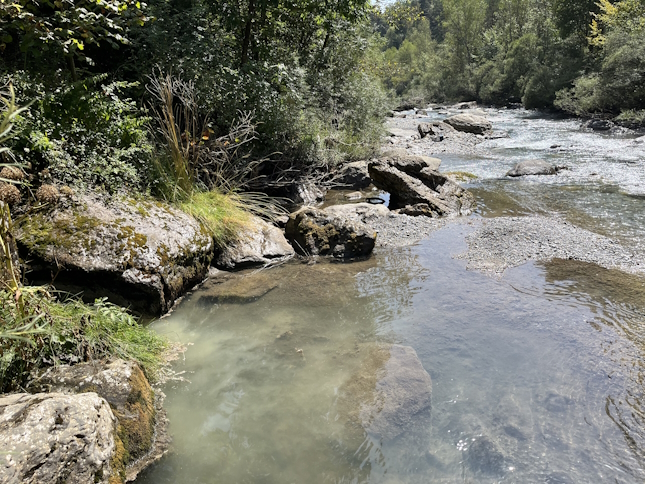
How do water inputs from both tributaries and groundwater change the processes happening in the river? The research project investigates this question and aims to find the key contribution areas to define the processes of rivers in different biomes. It includes field work and controlled experimentation in the CEAB-CSIC infrastructure.
C/ d’accés a la Cala St. Francesc, 14
Blanes – Girona – 17300 (ESPAÑA)
Phone: +34 972 336 101
E-mail: info@ceab.csic.es