Skip to content

Monitoring of high mountain aquatic ecosystems (RESTAQUATIC)

RESTAQUATIC

estanys-dellui-autoria-marc-ventura
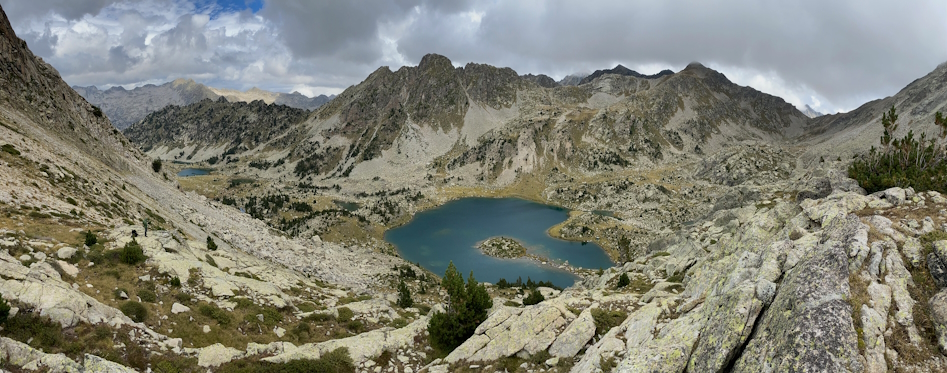
Despite their remote location, high mountain aquatic spaces are subject to anthropogenic threats that put their conservation status at risk, such as the introduction of exotic species, overcrowding by tourists or hydraulic infrastructures.

Aquatic ecosystems are essential for maintaining biodiversity, since dozens of species, many of them protected, depend on them directly to live or complete some of their life cycles.

Despite their remote location, high mountain aquatic spaces are subject to anthropogenic threats that put their conservation status at risk, such as the introduction of exotic species, overcrowding by tourists, overgrazing or hydraulic infrastructure. At the same time, it is also worth highlighting the lack of reliable, updated and detailed information on its conservation status, which makes it difficult to make effective and directed decisions for its management.

Within the framework of the RestAquatic project, several of these problems will be addressed, monitoring high mountain aquatic ecosystems and implementing actions to improve their condition.

General project information

Financing amount

145.336€

Development period
Start

15/12/2023

End

14/12/2026

Department

Responsible researcher

Deputy technical Director | Senior Scientist

Other researchers and involved staff

Funding entities

Institutions/collaborators

Social networks of the project

You may also be interested in

Cross-border project to detect and monitor non-indigenous marine species in Catalonia and Occitanie, enhancing scientific cooperation, citizen participation, and management of impacts on ecosystems and coastal economies.
DryingLake addresses the problem of inland water desiccation, which is increasingly affecting ecosystems worldwide due to both climate change and the diversion of water for irrigation.
By combining satellite images, remote sensors, and field data, the project will provide effective tools to help managers and policymakers monitor and assess coastal carbon ecosystems and integrate blue carbon into national climate inventories and policies.