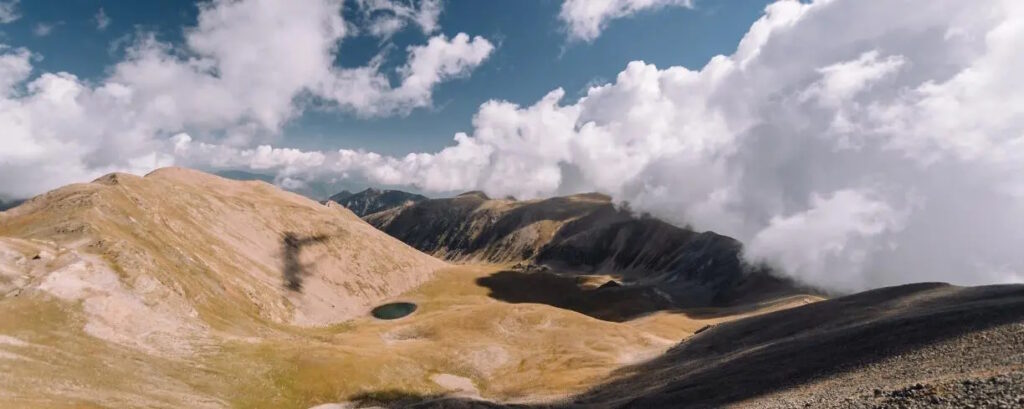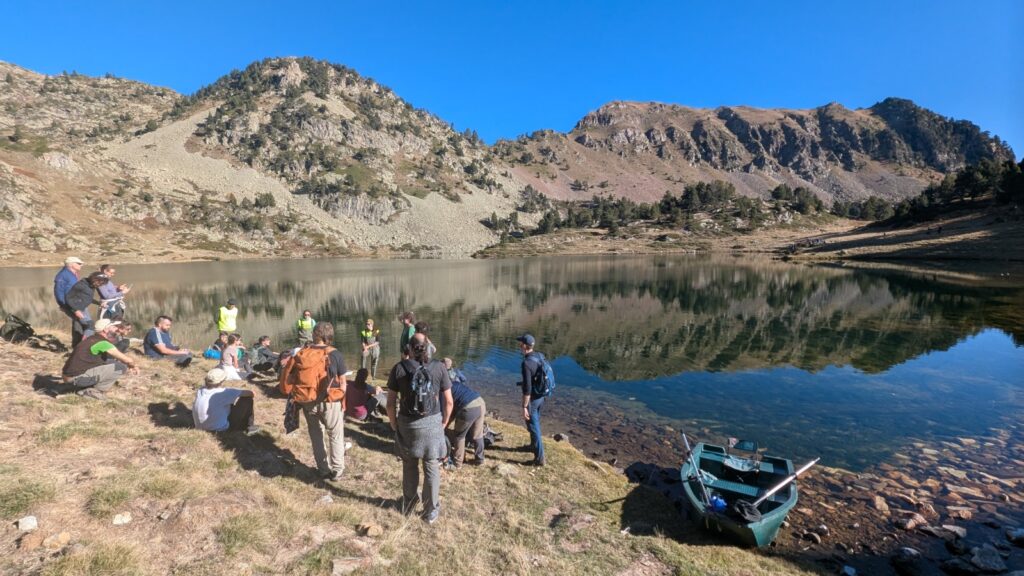
Researchers, protected area managers and conservation practitioners from Europe and beyond met in the Val d’Aran (Catalan Pyrenees) to share the latest advances in the conservation and restoration of high mountain lakes and mires, as the LIFE RESQUE ALPYR project comes to an end.
An international meeting for mountain freshwater conservation
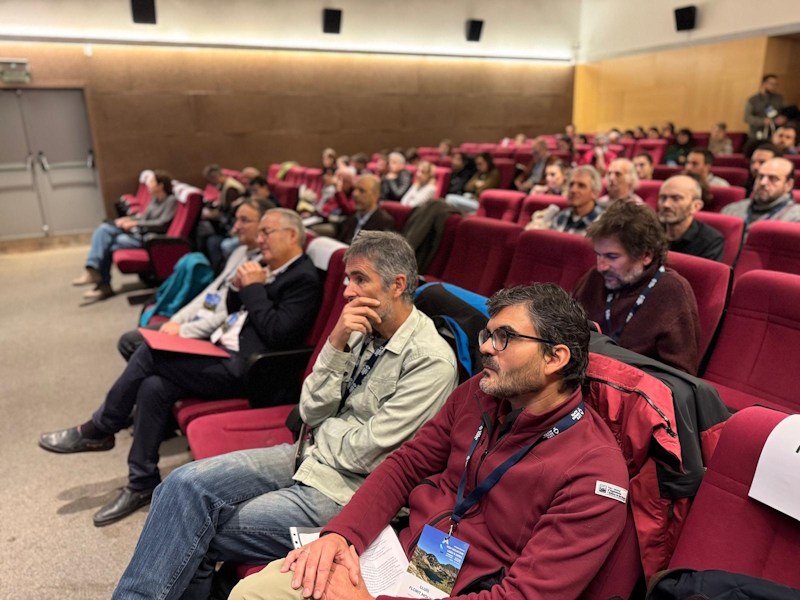
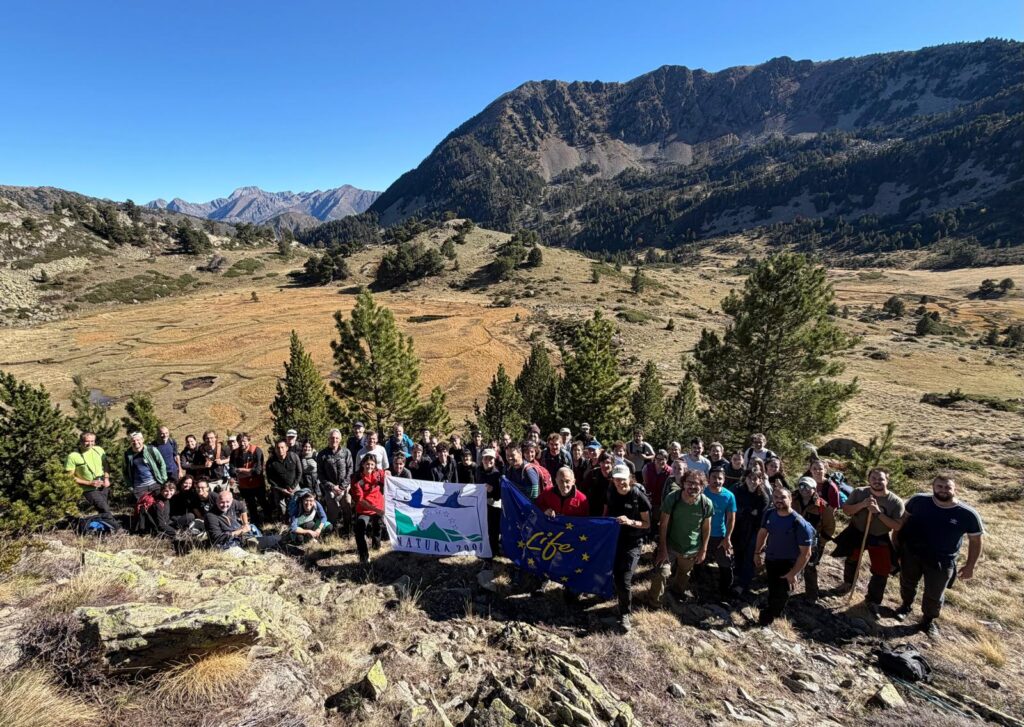
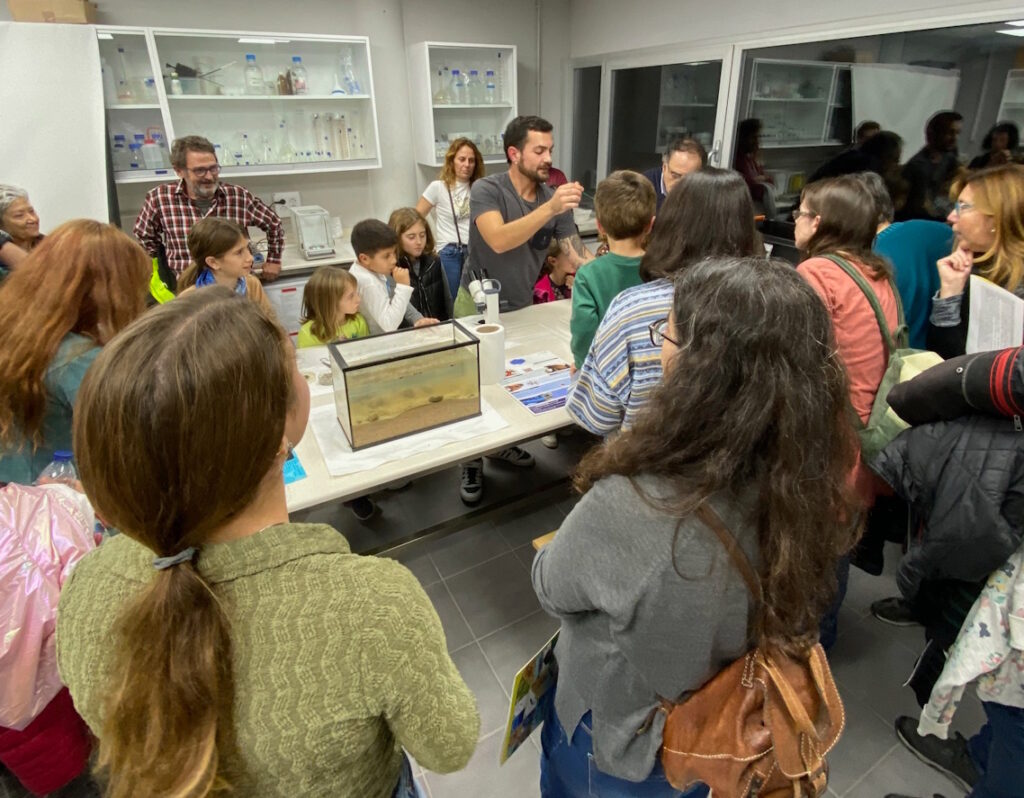
From 28 to 30 October 2026, Vielha hosted the International Conference on the Conservation of High Mountain Lakes and Mires & 2nd International Meeting on the Conservation of High Mountain Lakes, which also served as the final conference of the LIFE RESQUE ALPYR project. Close to 100 participants from different countries and disciplines came together to exchange knowledge and discuss approaches to the conservation and restoration of mountain aquatic ecosystems in the Pyrenees and the Alps.
More than 50 scientific and technical presentations covered ecological research, habitat restoration, biodiversity monitoring and conservation management, with a focus on the main threats to these ecosystems: climate change, biodiversity loss and human pressures.
The conference also strengthened collaboration between the scientific community and the people who manage these environments. It was organised by the LIFE RESQUE ALPYR consortium, coordinated by CEAB-CSIC, with a scientific committee formed by Teresa Buchaca and Marc Ventura (CEAB-CSIC), Rocco Tiberti (University of Calabria), Aaron Pérez-Haase (University of Barcelona) and Quim Pou-Rovira (Sorelló).
Keynote speakers with a global perspective
- Marc Ventura (CEAB-CSIC), coordinator of LIFE RESQUE ALPYR
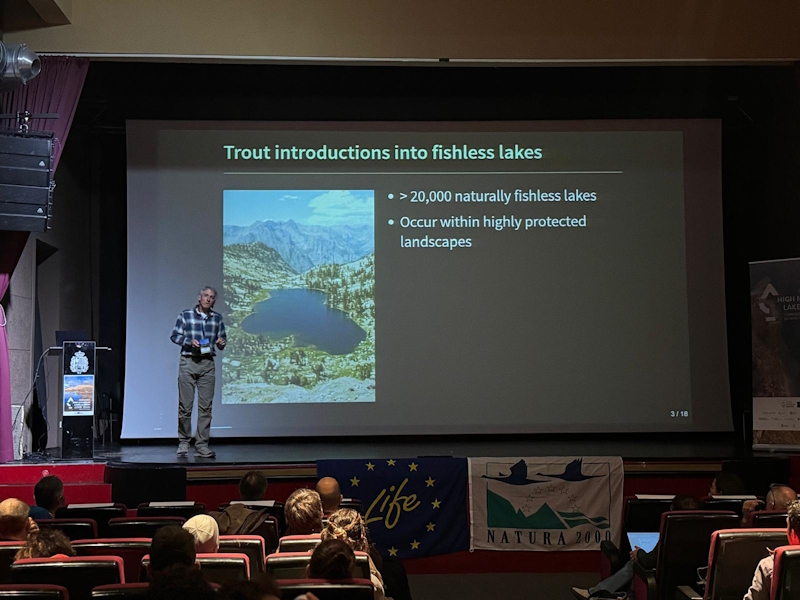
- Roland Knapp (University of California, Sierra Nevada Aquatic Research Laboratory), a leading authority on mountain lake restoration
- Borja Jiménez-Alfaro (University of Oviedo), specialist in mire ecology and conservation
- Helge Bardal (Norwegian Veterinary Institute), expert in ecosystem restoration after invasive fish eradication
- Lucia Bello (University of Calabria), who presented research on the links between aquatic and terrestrial ecosystems
- Rocco Tiberti (University of Calabria), whose work focuses on restoration strategies and the management of high mountain lakes
Together, they shared successful restoration experiences from Europe and North America and discussed the challenges ahead.
Results of LIFE RESQUE ALPYR
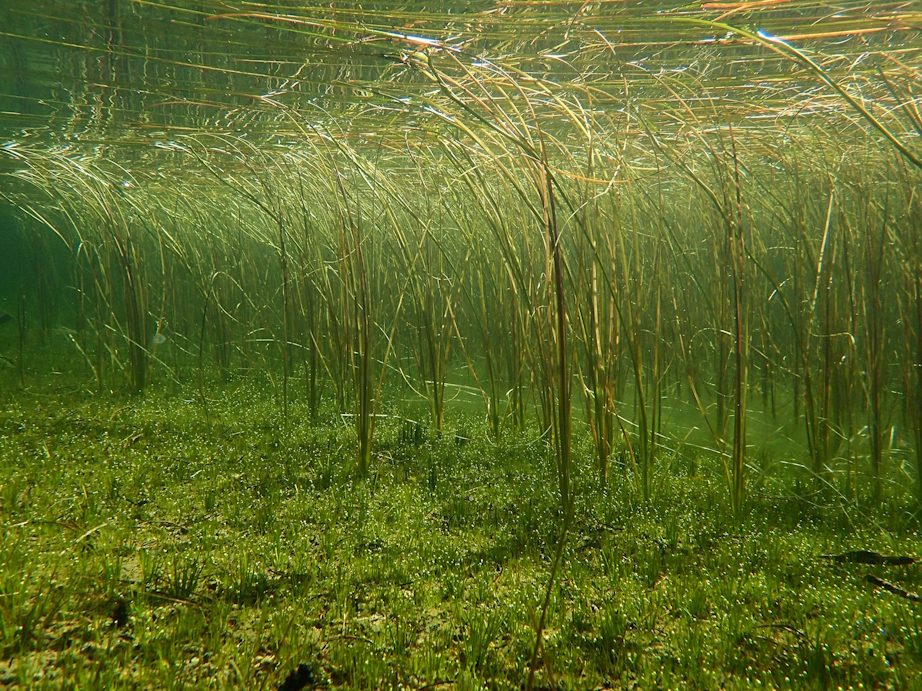
The conference was also the moment to present the main achievements of the project (2022–2026), which has delivered restoration actions across four Natura 2000 sites in the Pyrenees and the Alps. Partners shared experiences from the removal of introduced fish from mountain lakes, the protection of sensitive wetlands through livestock exclusion, and habitat management to improve conditions for threatened species.
Looking ahead
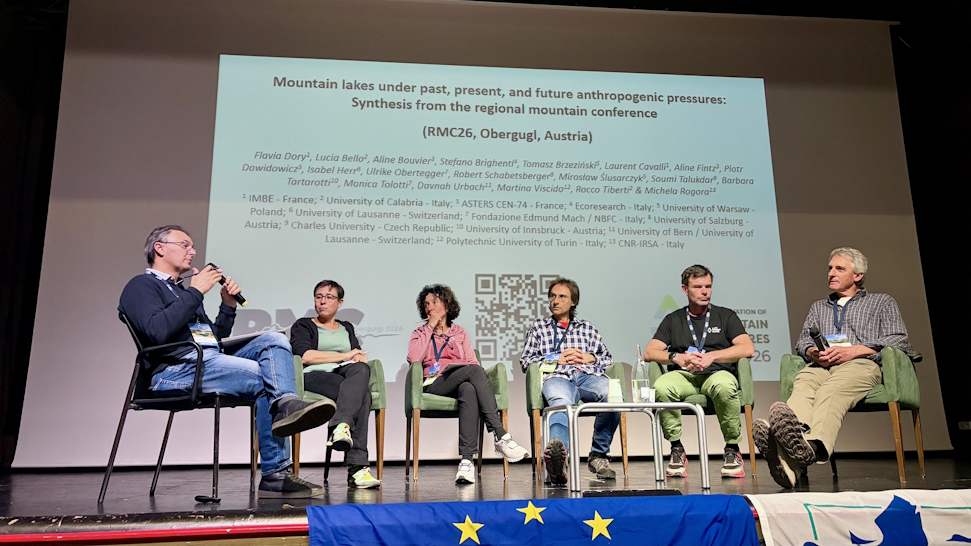
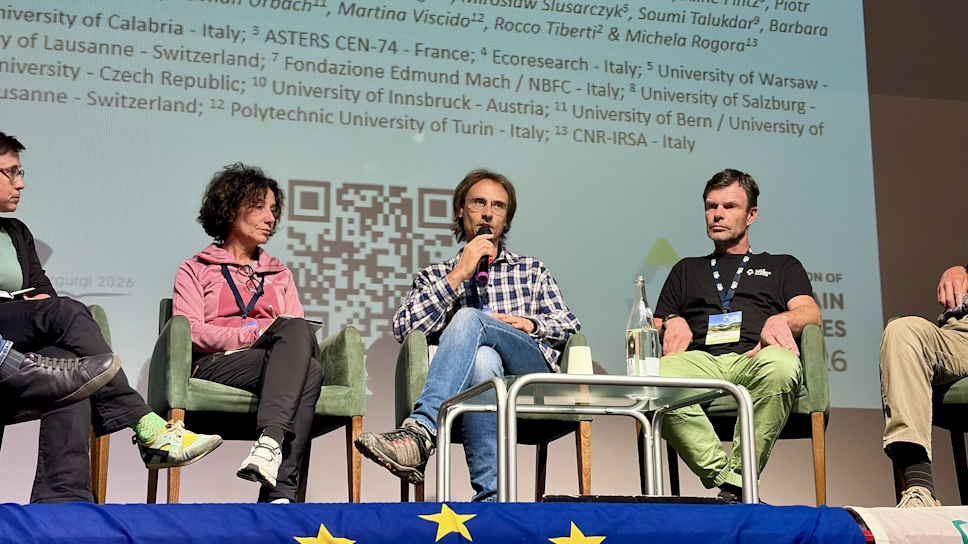
A roundtable brought together researchers, practitioners and protected area managers to discuss the future of high mountain lake and mire conservation. Participants highlighted the impacts of climate change, the long-term effectiveness of restoration actions, the need for continued monitoring and the importance of connecting science, policy and land management.
Conservation in action
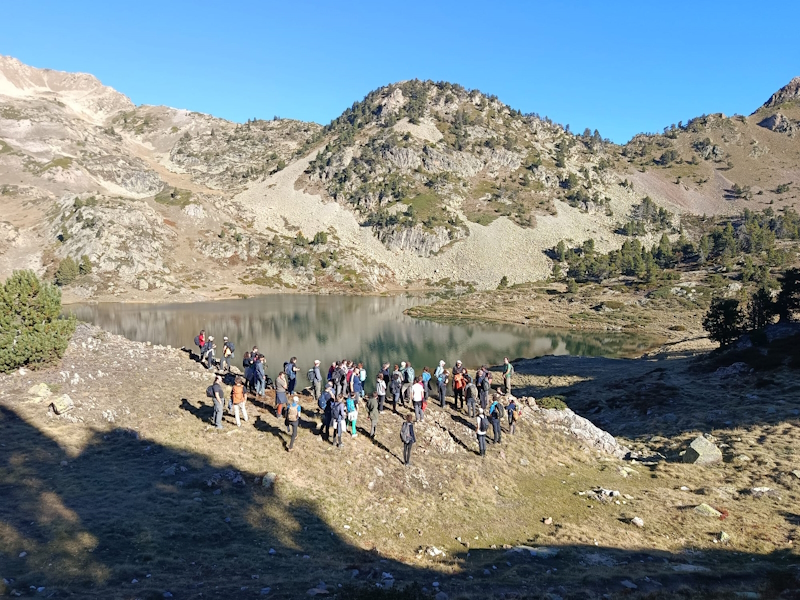
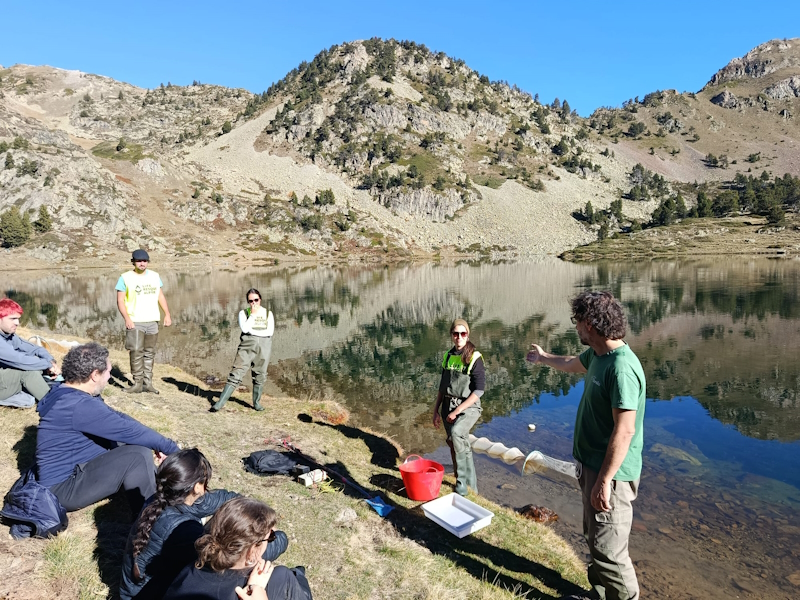
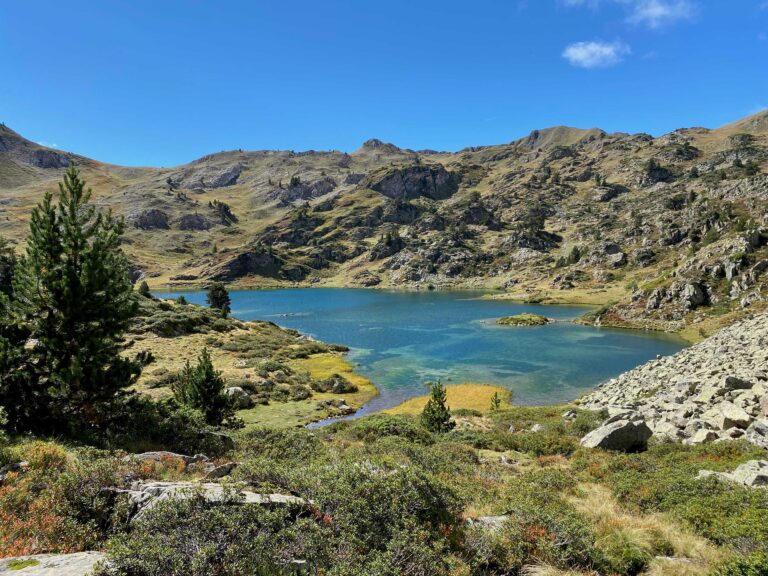
The conference ended with a field visit to the Àrreu Valley, in the Alt Pirineu Natural Park and the Alt Pallars Natura 2000 site, including Lake Muntanyó d’Àrreu and the Clots de Rialba mires. Participants saw first-hand restoration and conservation actions carried out by the project: the protection of mountain mires, the restoration of lakes through fish removal, and habitat management to safeguard vulnerable species.
The meeting closed with a shared conclusion: protecting high mountain lakes and mires requires long-term commitment, science-based management and cooperation across borders.