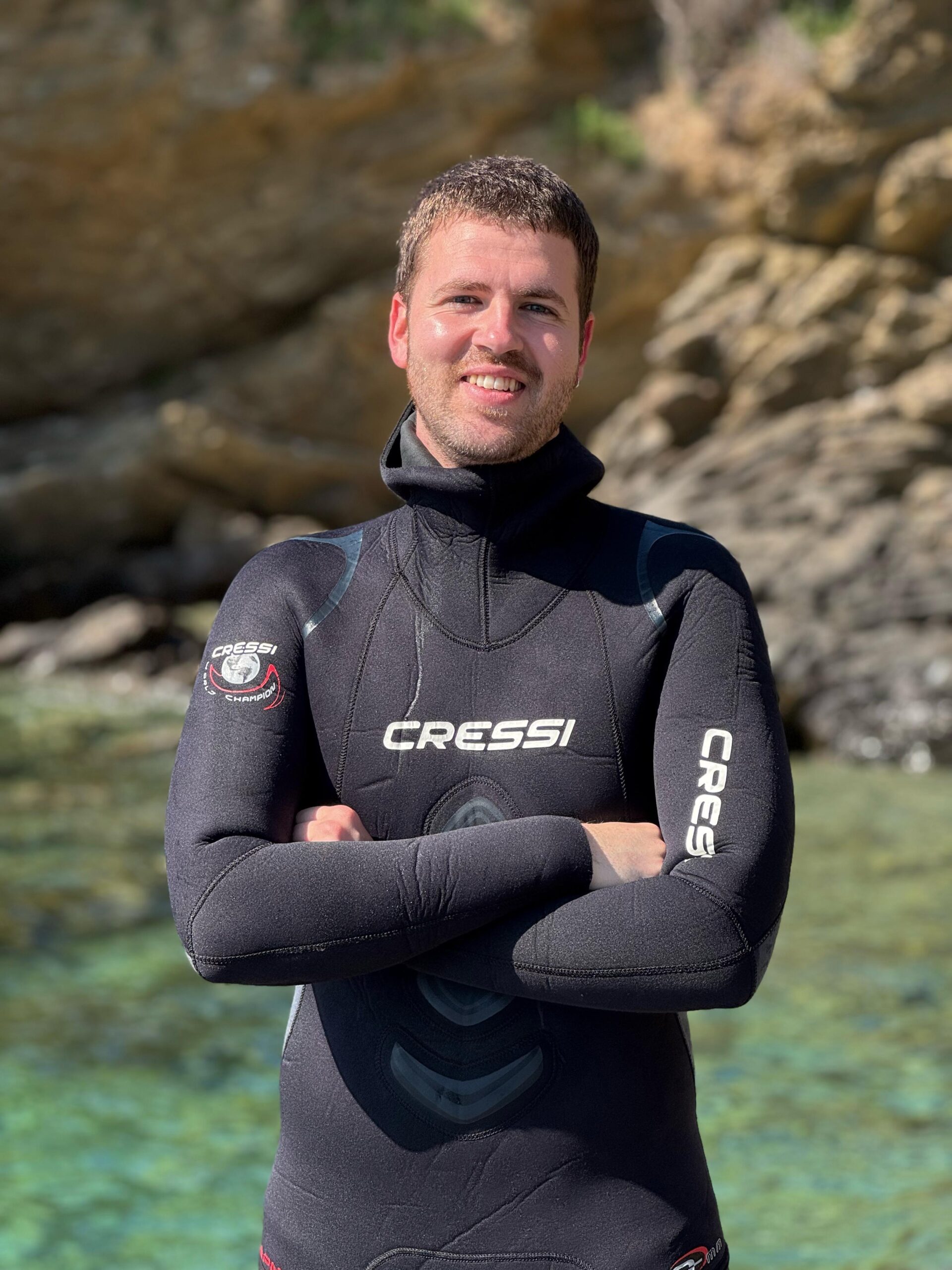
Toni Vivó Pons
I am a marine ecologist specializing in invasion ecology, functional trait ecology, and computational ecology. I graduated in Environmental Biology from the Autonomous University of


I am a marine ecologist specializing in invasion ecology, functional trait ecology, and computational ecology. I graduated in Environmental Biology from the Autonomous University of
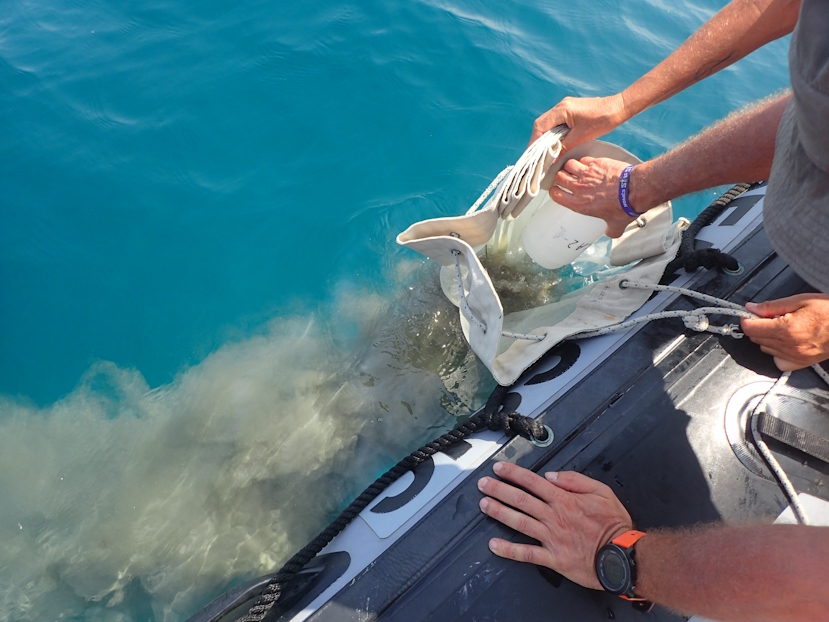
Within the framework of the Monitoring and Control Programme (PSiC) of the Catalan Water Agency (ACA), an agency of the Government of Catalonia.
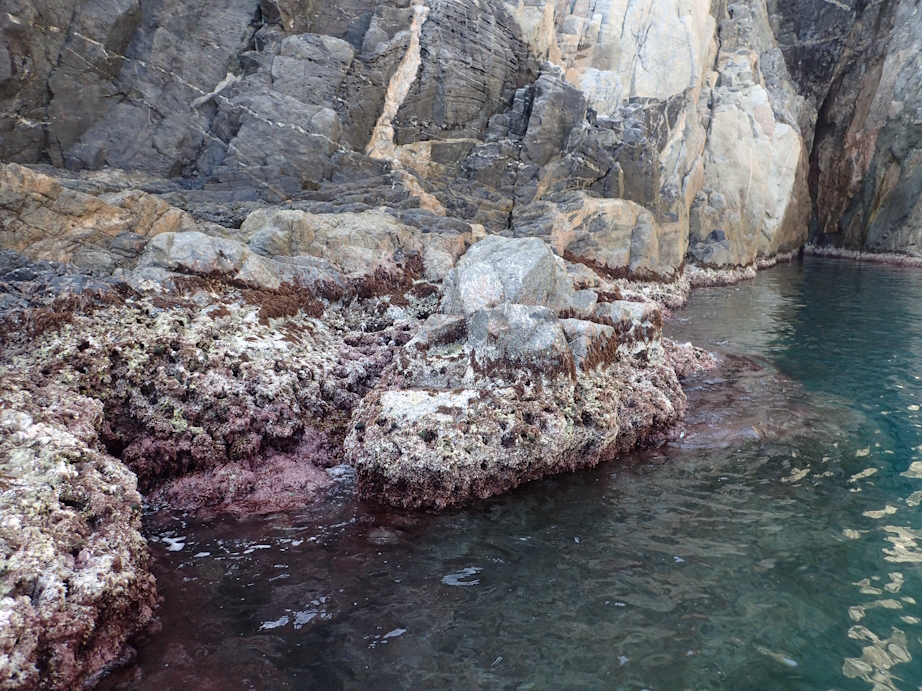
Within the framework of the Monitoring and Control Programme (PSiC) of the Catalan Water Agency (ACA), an agency of the Government of Catalonia.
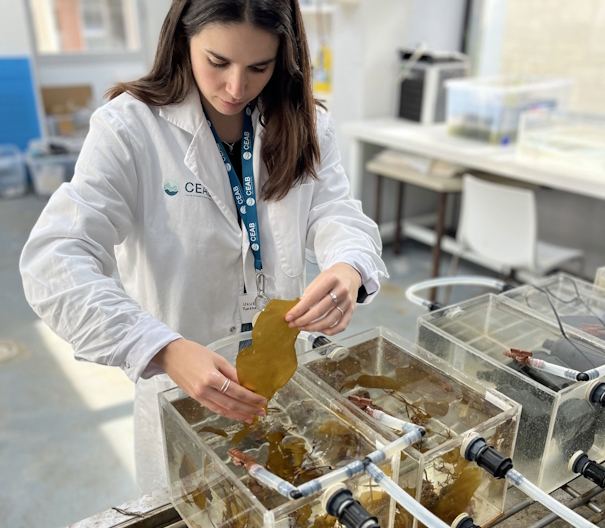
The main objective of the project is to expand basic knowledge regarding the biology and ecology of this species and its population in Menorca (Balearic Islands).
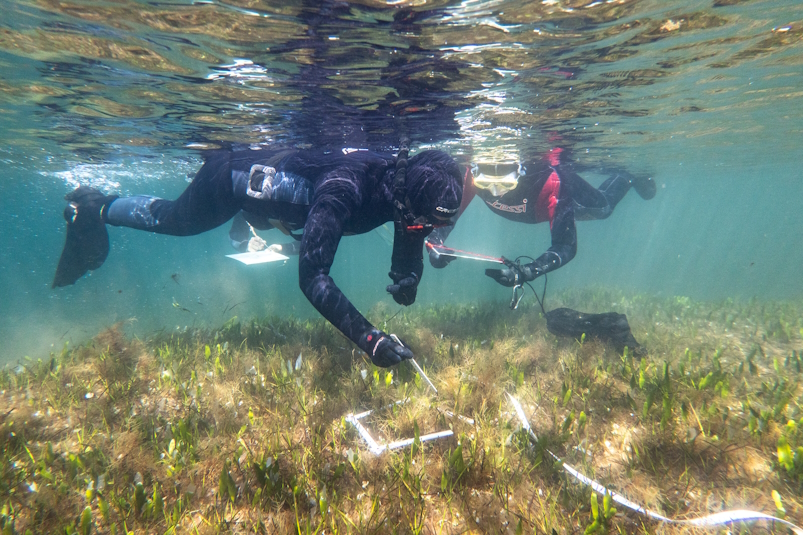
Its aim is to define Catalonia’s marine restoration strategy through a rigorous assessment of the condition of marine habitats, the identification of pressures and threats, and the establishment of realistic and measurable objectives, as well as the implementation of pilot restoration projects.
I am working as a field and sampling technician within the Marineforest group. Currently, in the PEREMCAT project.
I currently coordinate the PEREMCAT project (conducting the preliminary studies necessary for drafting the Strategic Plan for the Restoration of Marine Ecosystems in Catalonia). My
Biologist and environmental scientist by training, with a Master’s degree in Environmental Change and a postgraduate qualification in GIS. I am currently working as a
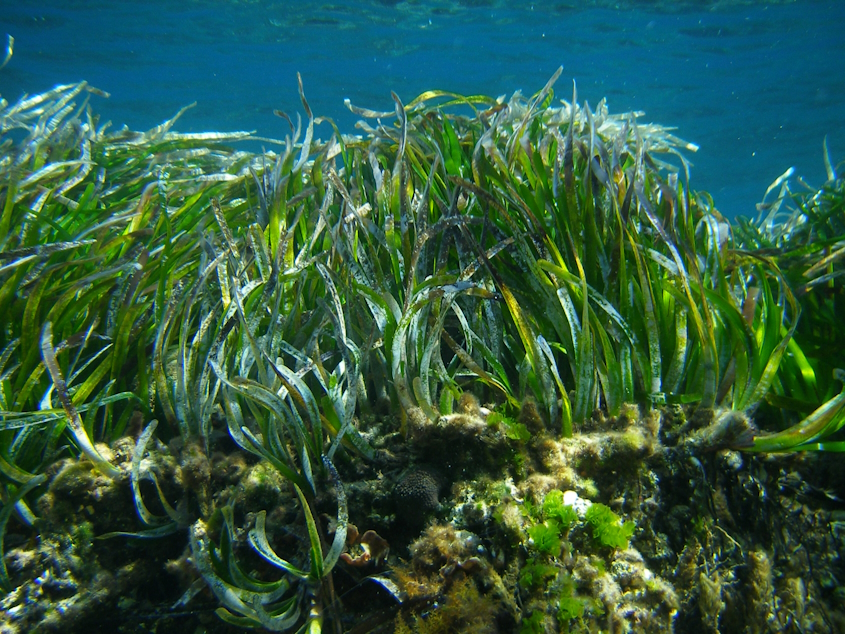
The BlauCat project aims to assess the current status of blue carbon in Catalonia’s coastal ecosystems and contribute to the development of an action plan for their conservation and restoration, as a tool to support public policies for climate change mitigation and adaptation. The project will generate a homogeneous and georeferenced database on blue carbon stocks and fluxes at the regional scale, as well as an analysis of the restoration potential of these ecosystems.
My doctoral thesis in marine ecology aims to assess the status and trajectory of various areas of the Mediterranean through a regional re-evaluation following the


