Skip to content

Strategic Plan for the Restoration of Marine Ecosystems in Catalonia

PEREMCAT

PEREMCAT is a pioneering initiative, promoted by the Generalitat de Catalunya, which aims to position Catalonia as a benchmark in the implementation of marine restoration actions based on scientific, technical and participatory criteria. The plan aims to define the marine restoration strategy of Catalonia, based on a rigorous diagnosis of the state of marine habitats, the identification of pressures and threats, and the establishment of realistic and measurable objectives, as well as to execute restoration pilot projects, which allow validating techniques, generating applied knowledge and establishing the bases for future large-scale actions.

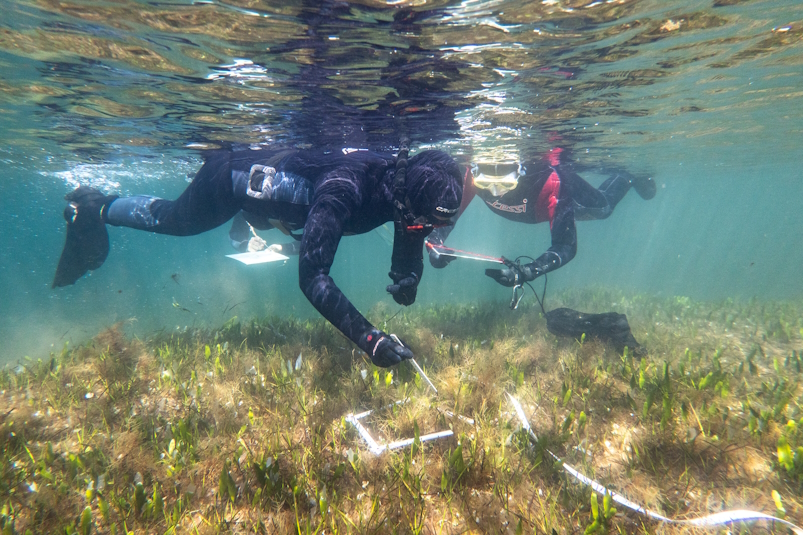
PEREMCAT addresses the restoration of habitats of high ecological and heritage value – seagrass meadows, coralligenous beds, rhodolith beds, and habitats dominated by macroalgae forests (fucal and laminarial), among others – which are essential for the maintenance of biodiversity, the productivity of the marine environment and the development of activities linked to the sea.

Funding: Subdirecció General de Política Marítima, Generalitat de Catalunya.
General project information

Financing amount

3.01500000€

Development period
Start

15/12/2025

End

31/12/2028

Department

Responsible researcher

Tenured Scientist

Funding entities

Institutions/collaborators

Social networks of the project

You may also be interested in

Cross-border project to detect and monitor non-indigenous marine species in Catalonia and Occitanie, enhancing scientific cooperation, citizen participation, and management of impacts on ecosystems and coastal economies.
DryingLake addresses the problem of inland water desiccation, which is increasingly affecting ecosystems worldwide due to both climate change and the diversion of water for irrigation.
By combining satellite images, remote sensors, and field data, the project will provide effective tools to help managers and policymakers monitor and assess coastal carbon ecosystems and integrate blue carbon into national climate inventories and policies.
The Network's main objective is to foster collaboration between national and international research groups to advise society and authorities on the key role of BCEs.