Yolanda Lucas Rodríguez
I am dedicated to the taxonomy of polychaetes, identification of marine invertebrates and I am a scientific illustrator.


I am dedicated to the taxonomy of polychaetes, identification of marine invertebrates and I am a scientific illustrator.
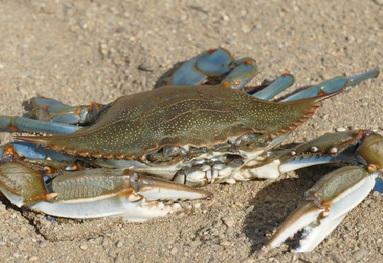
Cross-border project to detect and monitor non-indigenous marine species in Catalonia and Occitanie, enhancing scientific cooperation, citizen participation, and management of impacts on ecosystems and coastal economies.
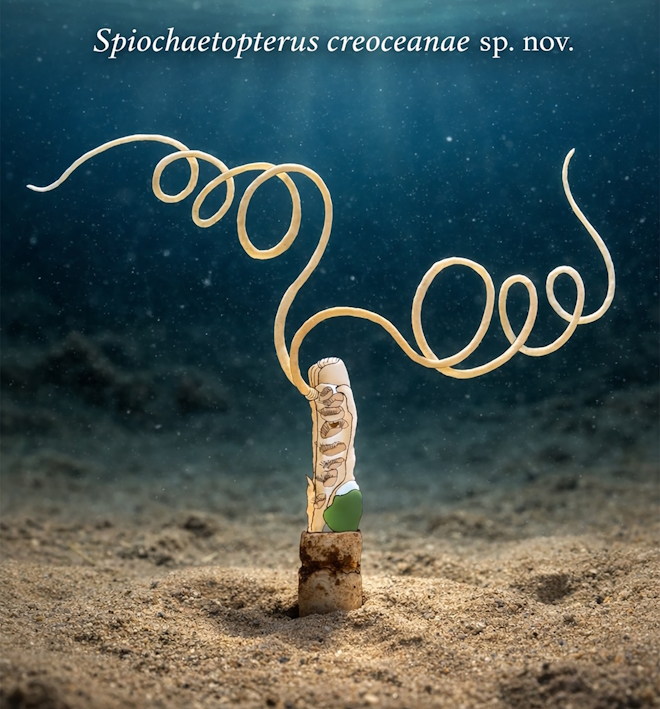
It focuses on detailed taxonomic analysis and trophic-functional assessment of soft-bottom macrobenthos in various regions worldwide, with the aim of providing rigorous scientific advice to support the completion of environmental monitoring and impact management studies for projects.
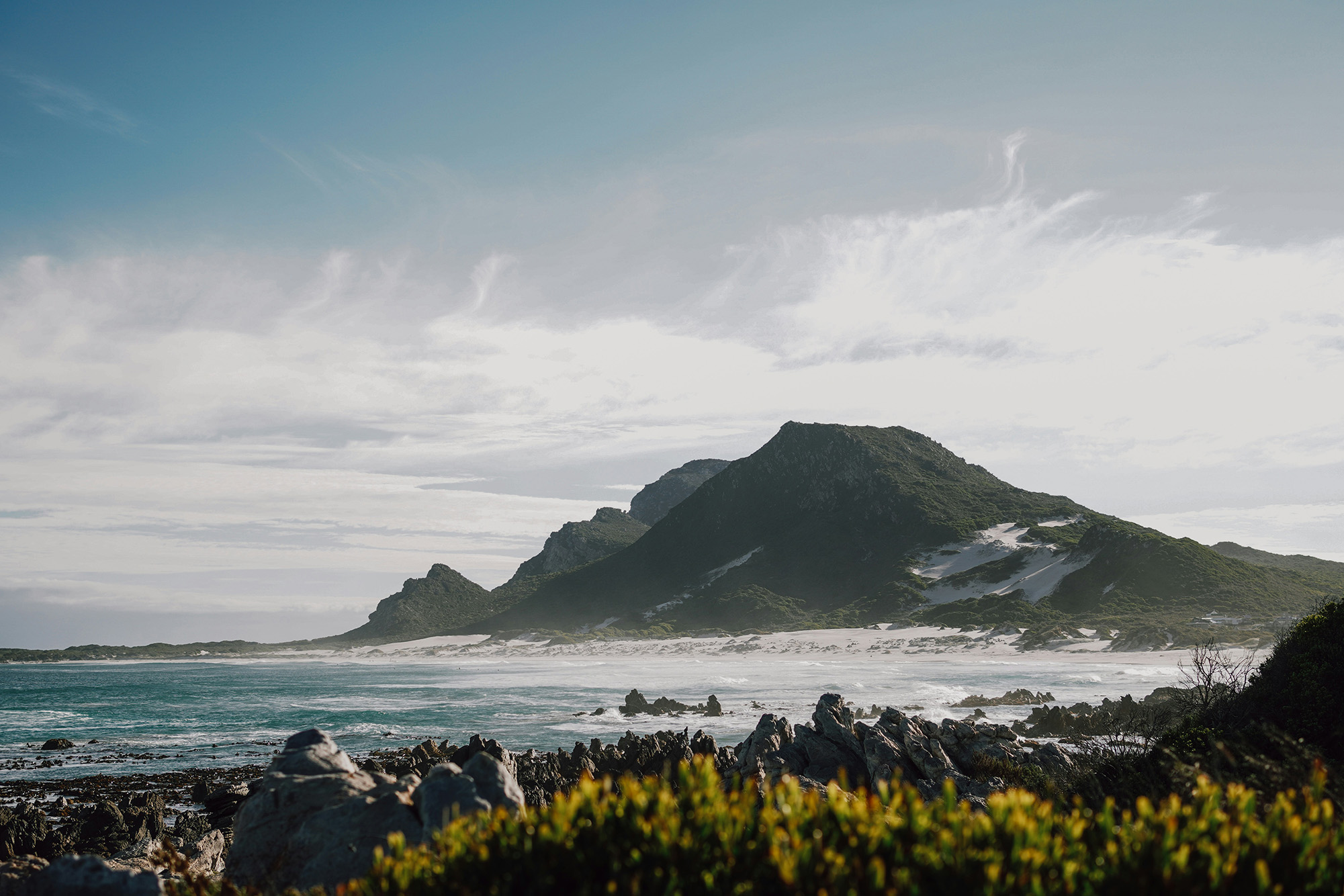
This project is being developed within the framework of an ICOOP grant (a CSIC Scientific Cooperation Program for Development), which aims to stimulate collaboration between CSIC research groups and international research groups in countries receiving Official Development Assistance through training, work, and specialization stays for research groups from participating entities.
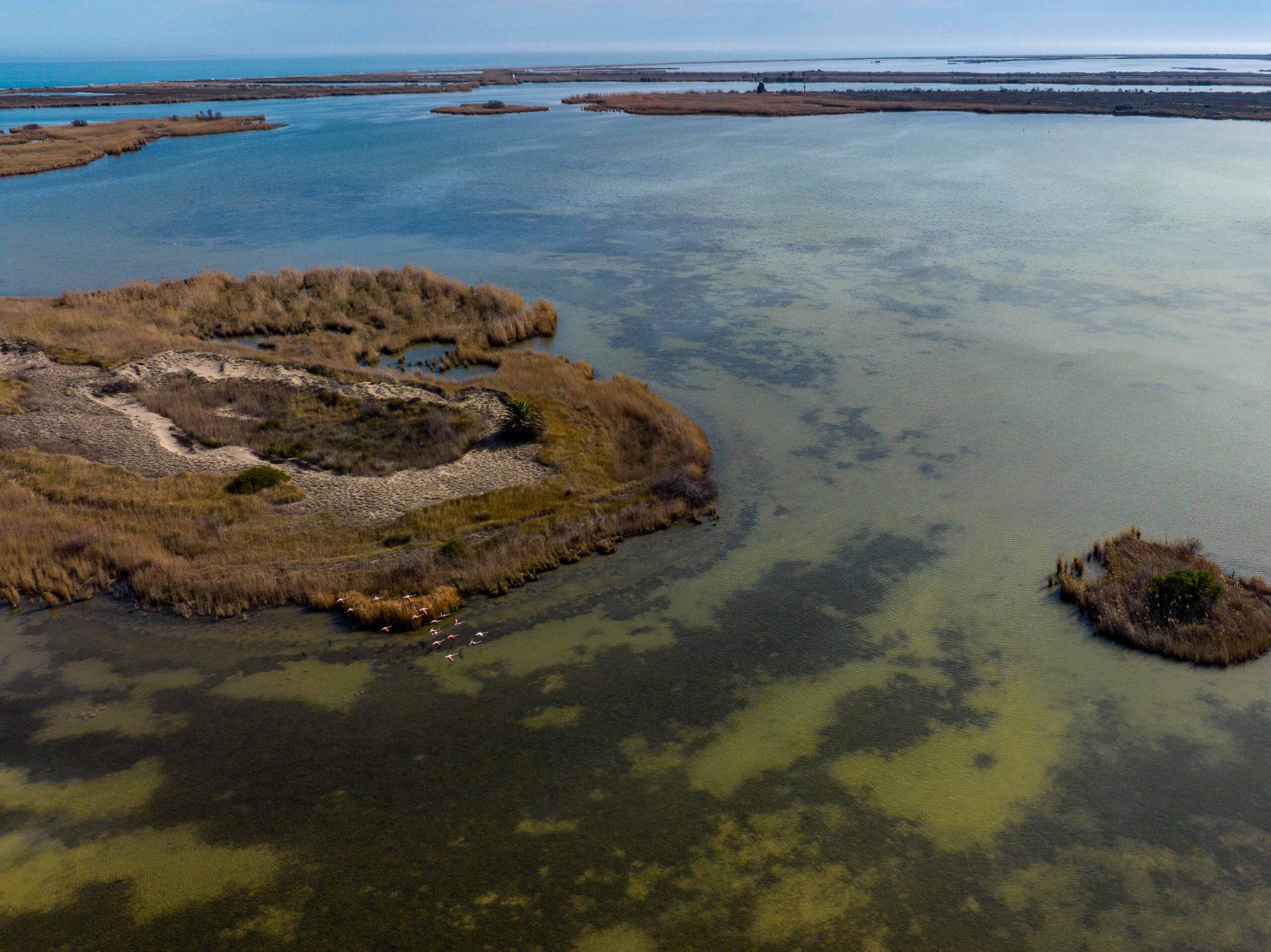
Given the recent detection of Perkinsus infecting mussels cultivated in the aquaculture area of the Ebro Delta and the lack of knowledge regarding its diversity, distribution, and ecology, this project aims to assess the epidemiological status of the disease Perkinsosis in the mussel aquaculture sector in Catalonia, in order to understand its potential impact.
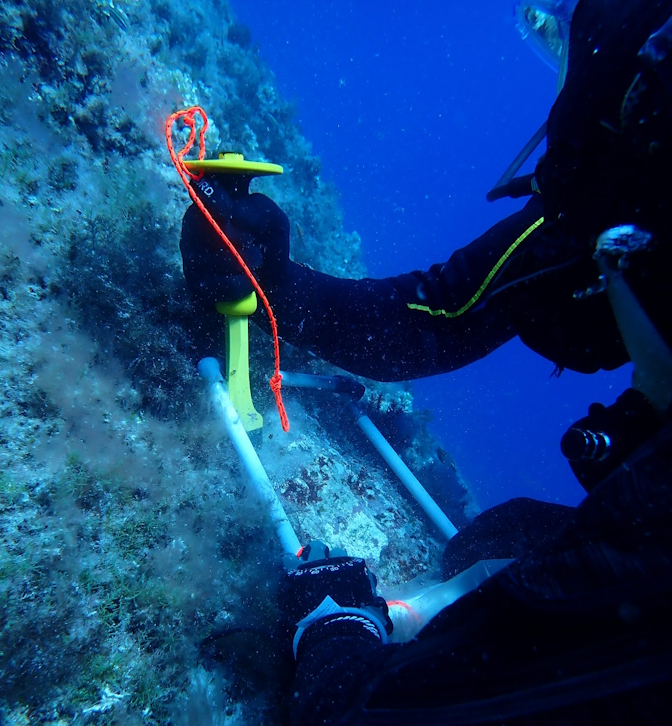
A project that applies genetics to study biodiversity in marine ecosystems and detect invasive species.

Monitoring of marine biodiversity using environmental DNA (eDNA) techniques, early detection of exotic species with invasive potential, and other genomic applications that can be used for marine biodiversity conservation.
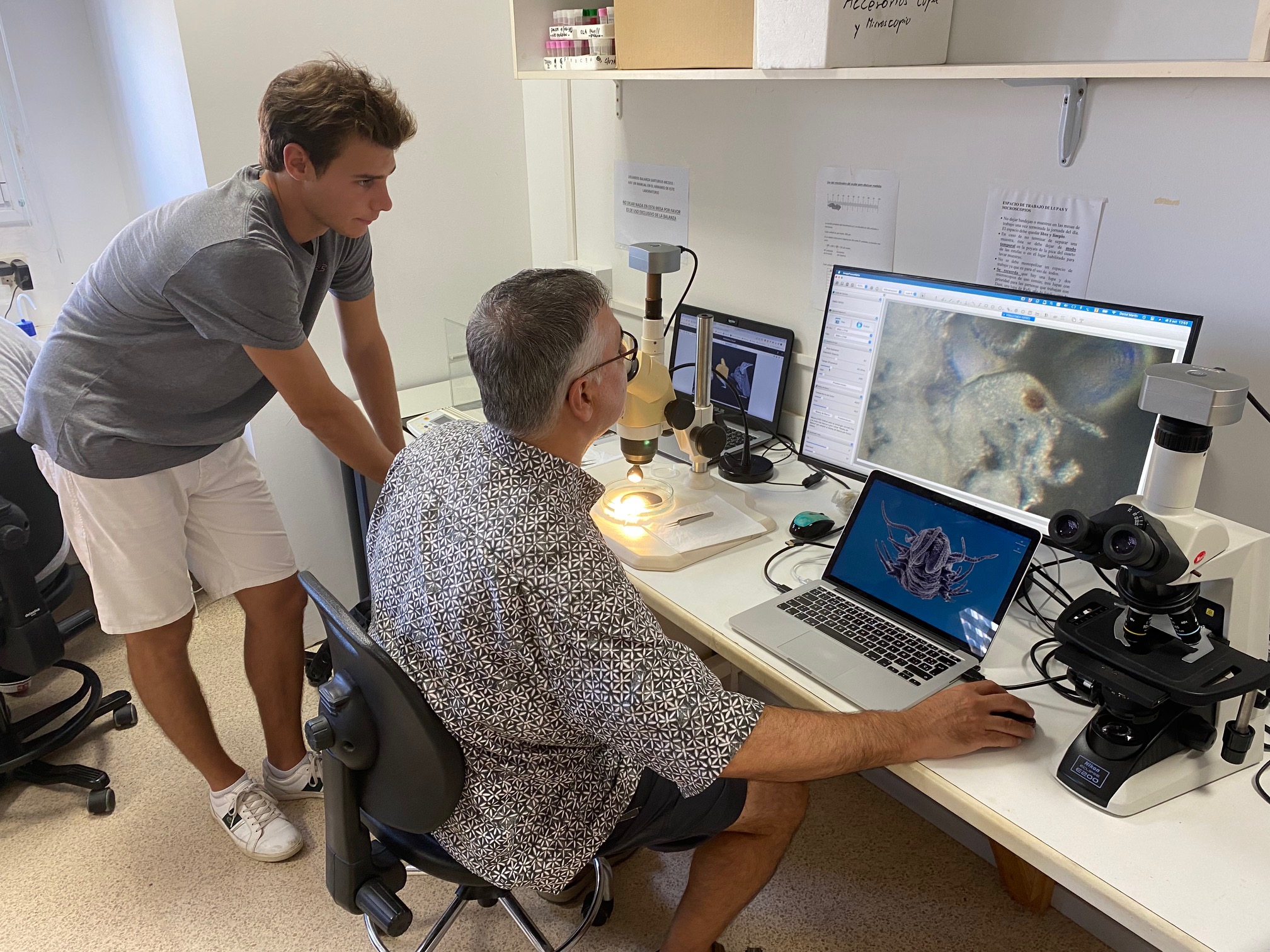
The Distributed System of Scientific Collections (DiSSCo) is a distributed research infrastructure (RI) working towards the digital unification of all European natural science assets under common conservation and access policies and practices to easily realize FAIR data.
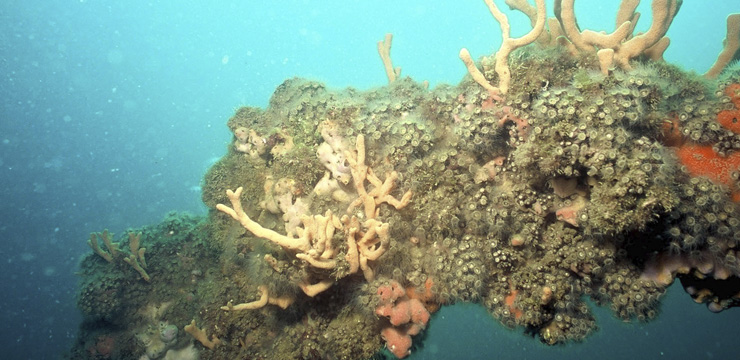
The main objective is to combine artificial reefs based on the innovative Biorock technology with filter-feeding or suspension-feeding benthic organisms (e.g., sponges, ascidians, annelids, scleractinians, hydroidolines, bryozoans) to bioremediate coastal seabeds.

TEMPOINVASIONS will use the most advanced molecular tools to analyze sedimentary sequences from well-preserved sites along the Spanish coast (Bay of Cádiz, Cabo de Gata, Ebro Delta). We will focus on the last six centuries since the major translocation of marine species began due to the beginning of transoceanic exploration.


