Javier Santos Pérez
I am passionate about the sea and the mountains, and I am especially interested in the interaction between humans and ecosystems. I currently work as

I am passionate about the sea and the mountains, and I am especially interested in the interaction between humans and ecosystems. I currently work as

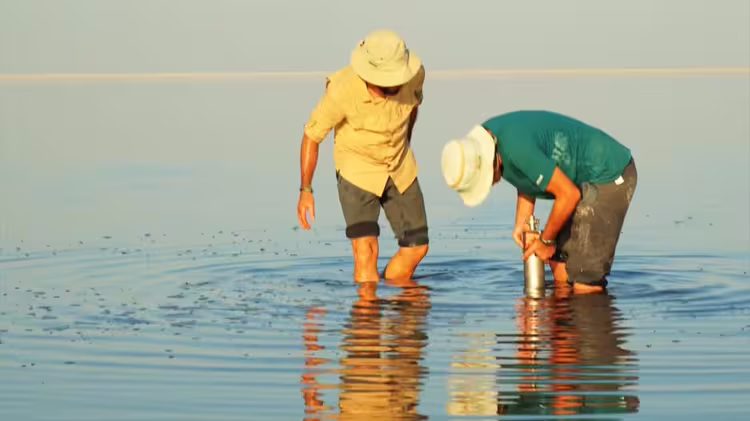
The goal of the Alter-C coordinated project is to understand how C sinks and sources in inland waters are affected by reductions in current and future conditions. Alter-C combines cutting-edge methodologies with an integrative perspective, including river networks, lakes, ponds and reservoirs.

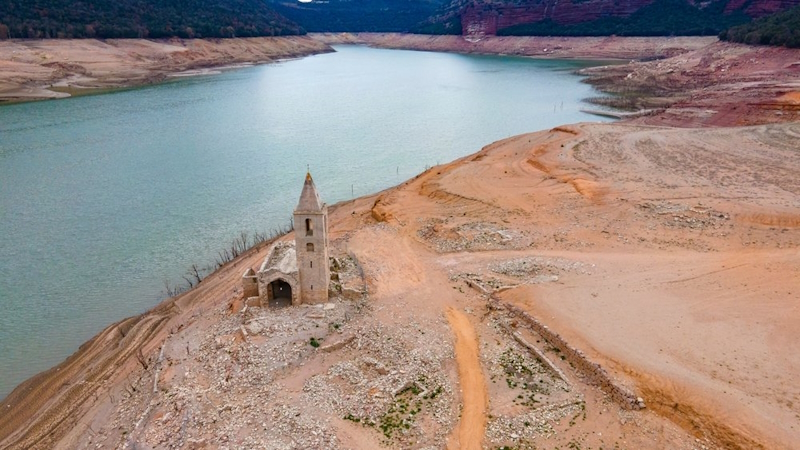
In a context in which prolonged periods of drought are becoming more frequent, the intoDBP project takes on special importance for its innovative approach to water management. The project aims to improve water quality and minimize exposure to harmful disinfection byproducts.

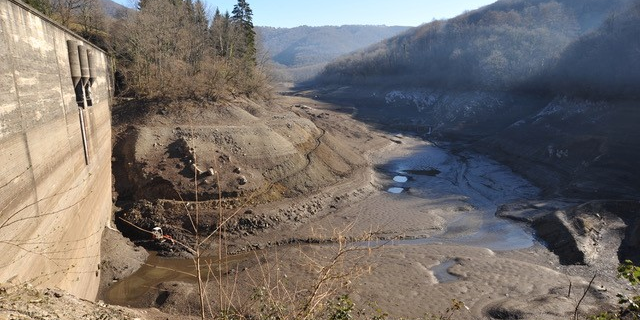
UNDAMMED will establish the foundations to anticipate the role of dam removal in the restoration of sedimentary, hydrological and carbon dynamics in river networks. After more than a century of intensive damming, most river networks in Europe are populated by a myriad of structures of varying size.

InventWater will form a new generation of professionals capable of uniting fields with data science, climate, hydrology and water ecology, and who develop the necessary capabilities to translate the knowledge and technical innovations into useful products for the managers.

Naiads or large freshwater bivalves (Mollusca, Bivalvia, Unionoidea) are currently considered one of the most endangered animal groups on the planet. The NÀIADES project aims to generate the knowledge necessary to prepare the recovery plan for this group of animals in Catalonia.

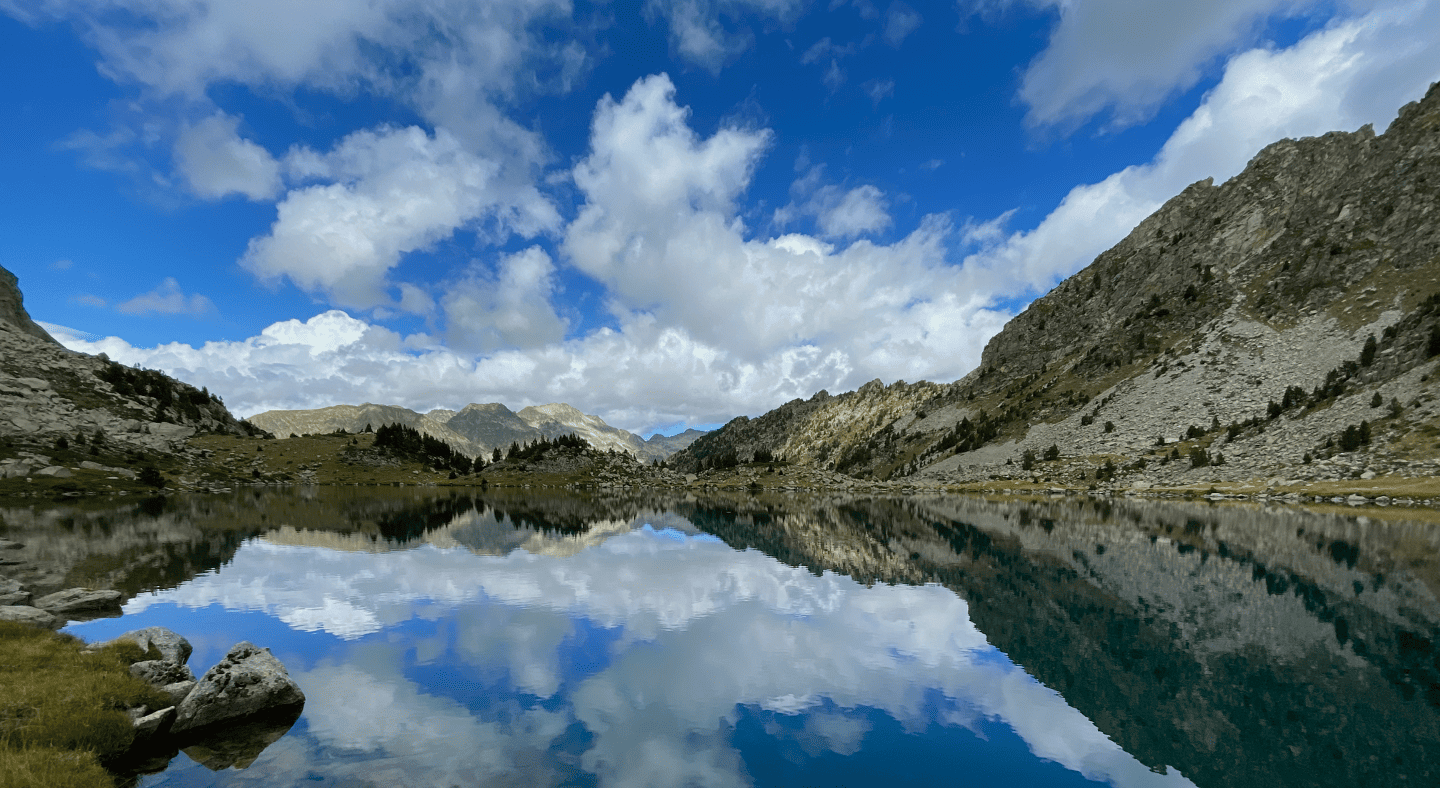
Despite their remote location, high mountain aquatic spaces are subject to anthropogenic threats that put their conservation status at risk, such as the introduction of exotic species, overcrowding by tourists or hydraulic infrastructures.

This research project aims to evaluate the role of lateral inflows and see which can be considered “hot spots” due to their great influence on the biogeochemical processes taking place in rivers.

How do water inputs from both tributaries and groundwater change the processes happening in the river? The research project investigates this question and aims to find the key contribution areas to define the processes of rivers in different biomes. It includes field work and controlled experimentation in the CEAB-CSIC infrastructure.

Evaluate the nitrogen retention capacity of rivers at different time scales and explore whether restoration with green infrastructure can significantly contribute to improving their self-purification capacity.
C/ d’accés a la Cala St. Francesc, 14
Blanes – Girona – 17300 (ESPAÑA)
Phone: +34 972 336 101
E-mail: info@ceab.csic.es