Wastewater in High Mountain Areas: Impact on Microbial Communities and Strategies for Its Mitigation (RAMi)
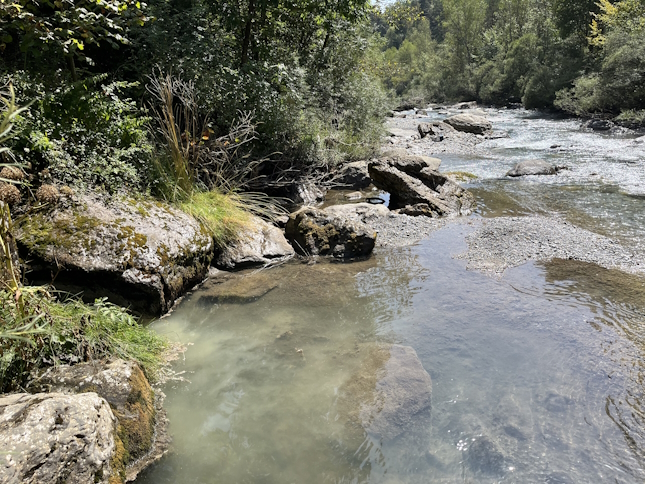
The project aims to design nature-based wastewater treatment solutions specifically adapted to high-mountain conditions.

The project aims to design nature-based wastewater treatment solutions specifically adapted to high-mountain conditions.

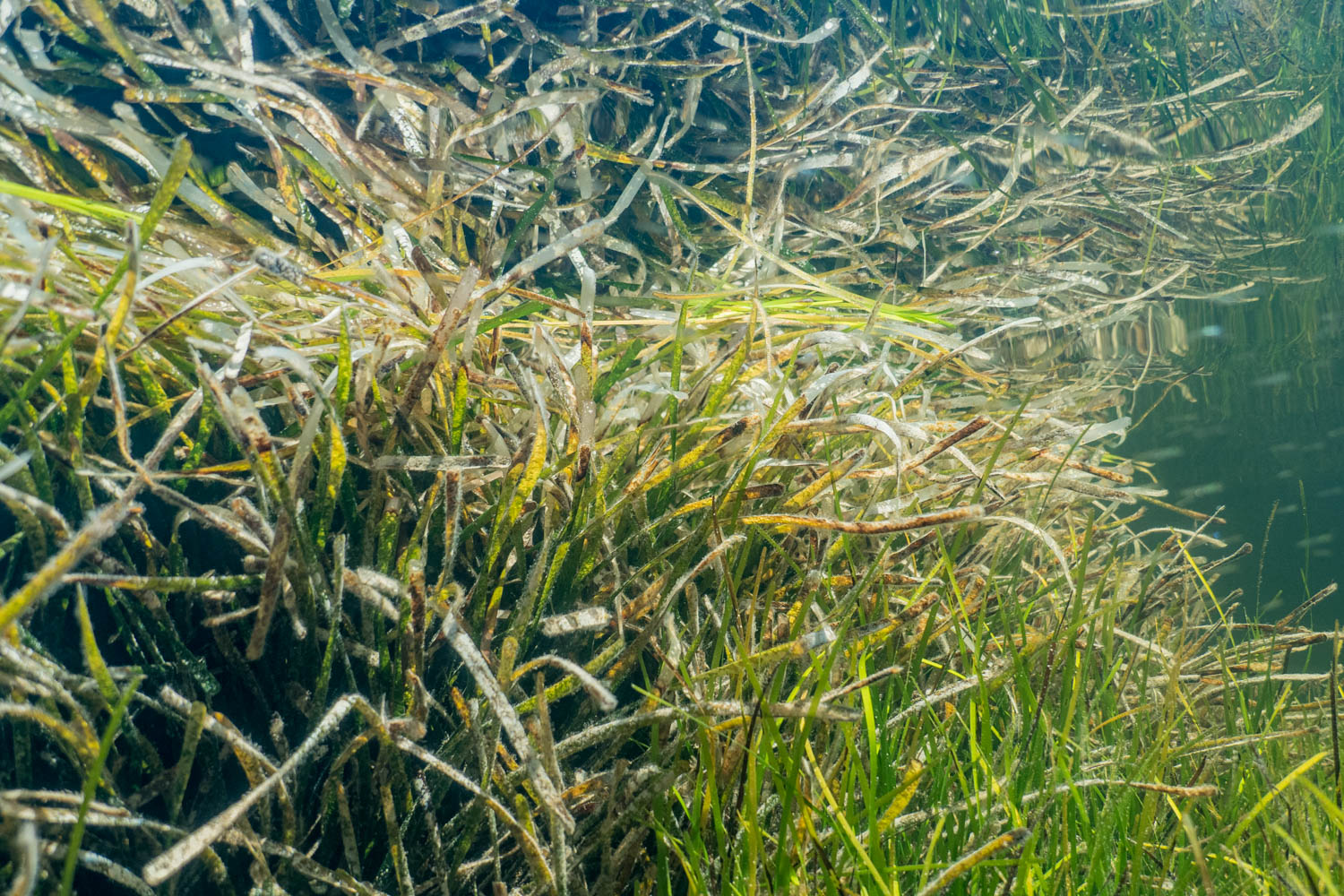
POSIDONIArXiv is an EU HORIZON MSCA project that combines environmental DNA (eDNA)—DNA fragments left by organisms in water and sediments—biogeochemical analysis, and ecological network analysis

This project by CREAF-CSIC, with the direct participation of researchers from CEAB-CSIC, aims to study cyanobacteria in high-mountain lakes and their environmental impact due to the recent increase in these organisms.

Headwater basins provide water supply, greenhouse gas regulation, and other essential ecosystem services. However, human activities have altered its functioning. This research project investigates how factors of anthropogenic origin alter the dynamics of headwater basins, especially their role in climate regulation.

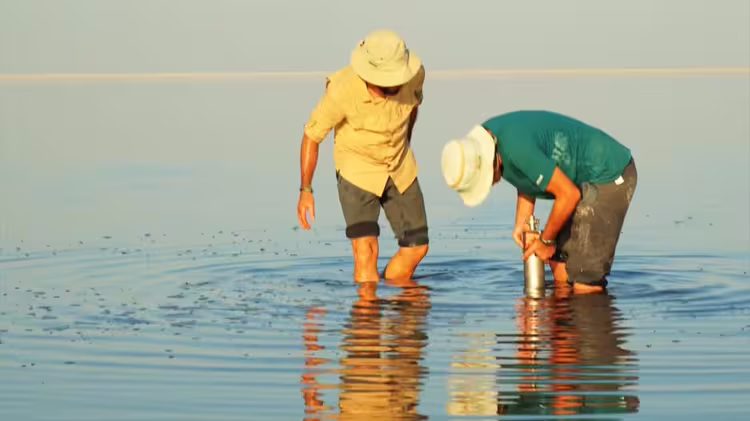
Pharmaceutical micro-pollutants are chemicals used for human and animal health care that are found everywhere including in soil, water and sediment. This chemical contamination is usually associated with microbiological contamination (by microorganisms and/or their genetic material) from humans, animals and the environment.

The BEYOND project, a MSCA Doctoral Network, will train the next generation of water professionals to tackle European water quality challenges in the context of climate change and emerging contaminants. Researchers will gain interdisciplinary skills, access to cutting-edge technologies, and expertise in water management to drive innovation and improve water quality.

The goal of the Alter-C coordinated project is to understand how C sinks and sources in inland waters are affected by reductions in current and future conditions. Alter-C combines cutting-edge methodologies with an integrative perspective, including river networks, lakes, ponds and reservoirs.

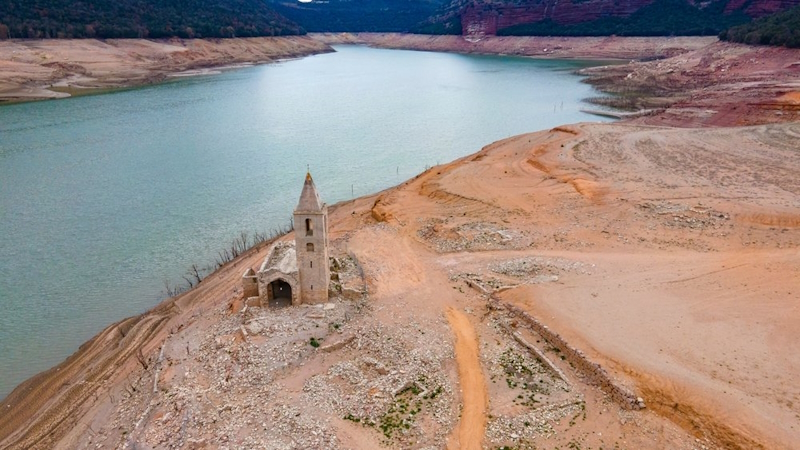
In a context in which prolonged periods of drought are becoming more frequent, the intoDBP project takes on special importance for its innovative approach to water management. The project aims to improve water quality and minimize exposure to harmful disinfection byproducts.

UNDAMMED will establish the foundations to anticipate the role of dam removal in the restoration of sedimentary, hydrological and carbon dynamics in river networks. After more than a century of intensive damming, most river networks in Europe are populated by a myriad of structures of varying size.

Despite their remote location, high mountain aquatic spaces are subject to anthropogenic threats that put their conservation status at risk, such as the introduction of exotic species, overcrowding by tourists or hydraulic infrastructures.
C/ d’accés a la Cala St. Francesc, 14
Blanes – Girona – 17300 (ESPAÑA)
Phone: +34 972 336 101
E-mail: info@ceab.csic.es