Spanish Group of Experts on Blue Carbon Ecosystems (G3ECA)
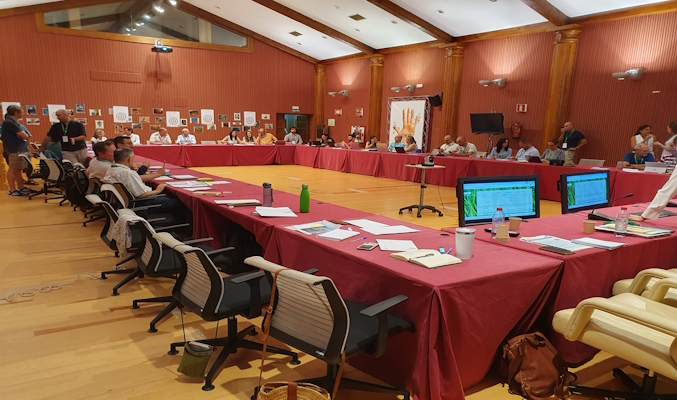
The Network’s main objective is to foster collaboration between national and international research groups to advise society and authorities on the key role of BCEs.

The Network’s main objective is to foster collaboration between national and international research groups to advise society and authorities on the key role of BCEs.

The BlauCat project aims to assess the current status of blue carbon in Catalonia’s coastal ecosystems and contribute to the development of an action plan for their conservation and restoration, as a tool to support public policies for climate change mitigation and adaptation. The project will generate a homogeneous and georeferenced database on blue carbon stocks and fluxes at the regional scale, as well as an analysis of the restoration potential of these ecosystems.

The main objective of this research project is to co-develop digital twins for predicting water quantity and quality in the Ter and Tordera basins, including catchments, reservoirs and coastal areas, contributing to efficient water resource management, protecting ecosystems and maximising water security in a climate change context.

Given the recent detection of Perkinsus infecting mussels cultivated in the aquaculture area of the Ebro Delta and the lack of knowledge regarding its diversity, distribution, and ecology, this project aims to assess the epidemiological status of the disease Perkinsosis in the mussel aquaculture sector in Catalonia, in order to understand its potential impact.

The starting hypothesis of this study is that to develop a sustainable and resilient offshore wind industry in Spain, it is necessary to implement methodologies and regulatory schemes that address the particularities of this technology, referring to the administrative authorization regime, financing schemes, protection and governance of the marine environment, and coexistence with other activities.

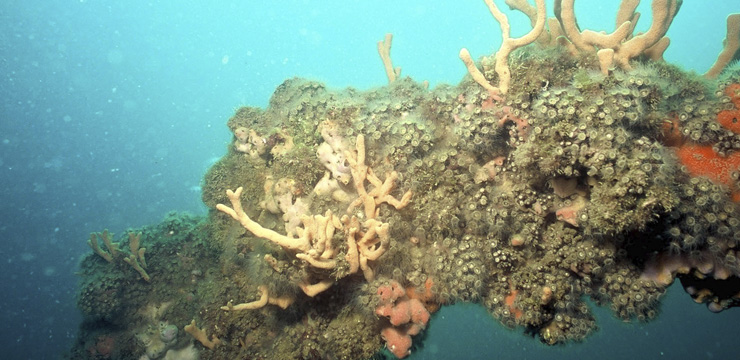
The main objective is to combine artificial reefs based on the innovative Biorock technology with filter-feeding or suspension-feeding benthic organisms (e.g., sponges, ascidians, annelids, scleractinians, hydroidolines, bryozoans) to bioremediate coastal seabeds.

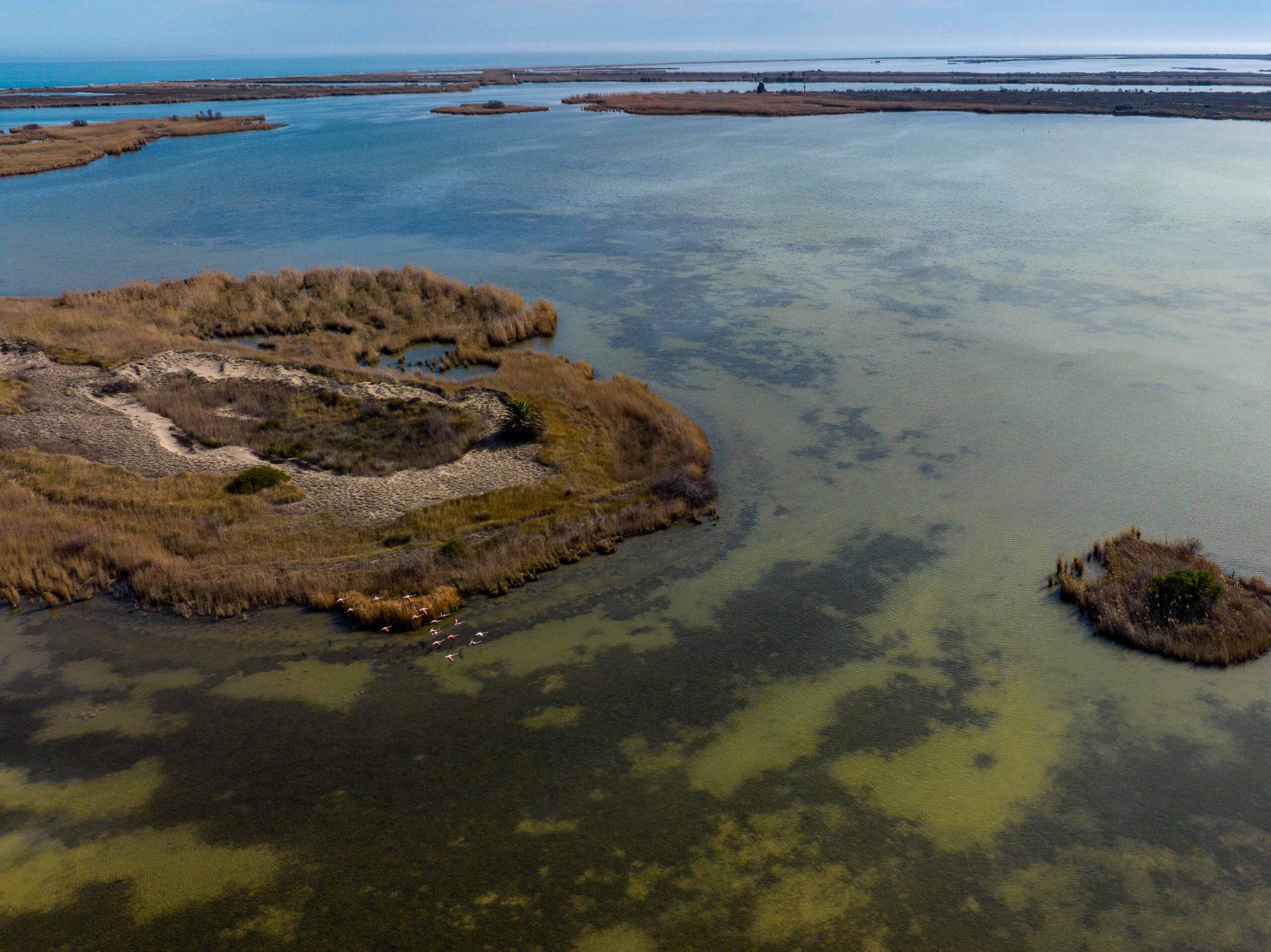
TEMPOINVASIONS will use the most advanced molecular tools to analyze sedimentary sequences from well-preserved sites along the Spanish coast (Bay of Cádiz, Cabo de Gata, Ebro Delta). We will focus on the last six centuries since the major translocation of marine species began due to the beginning of transoceanic exploration.

Change in ecosystems occurs over multiple temporal and spatial scales. Discriminating between actual changes, cycles and trends is often difficult or impossible without an adequate temporal perspective, since multiple processes interact at multiple temporal and spatial scales.

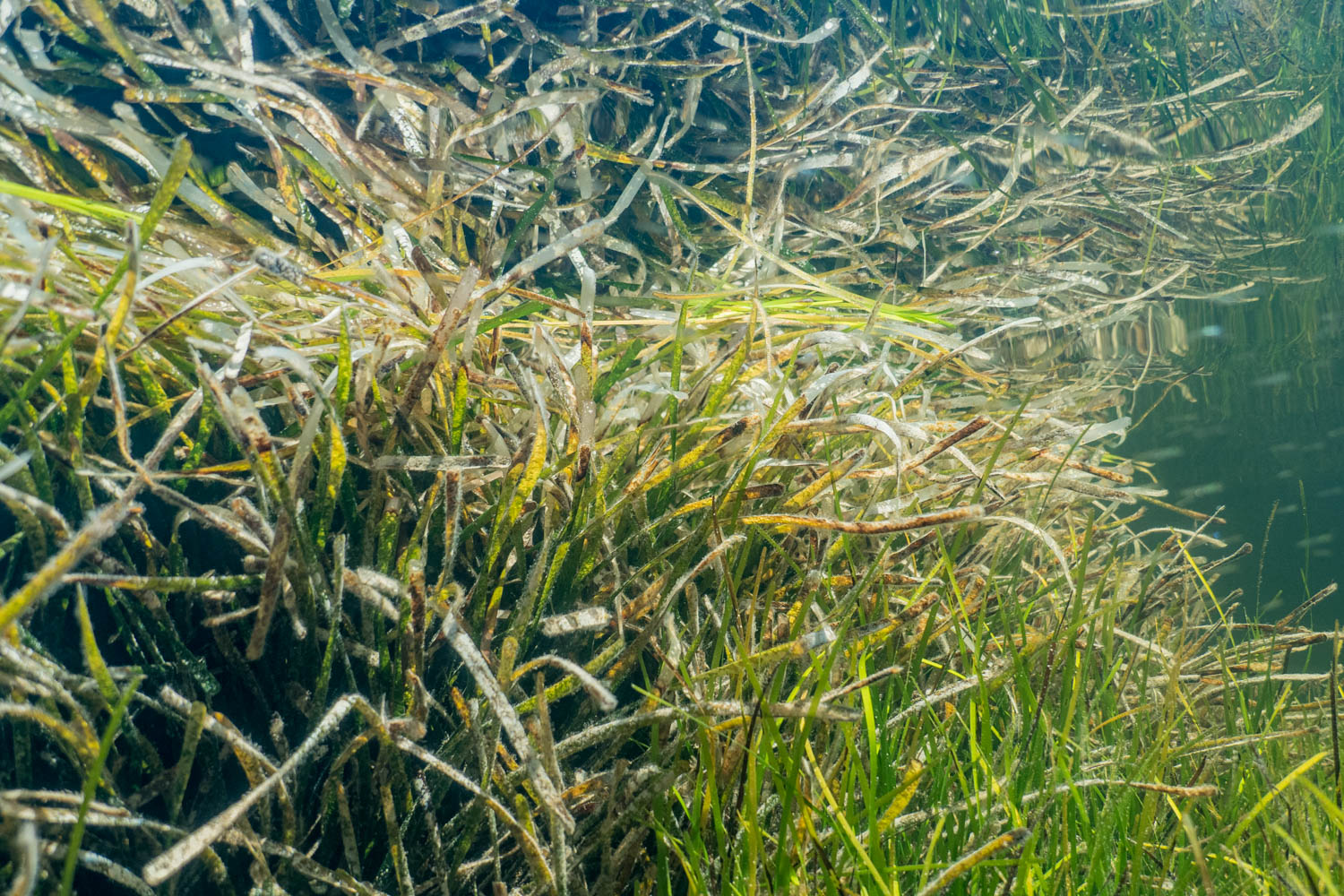
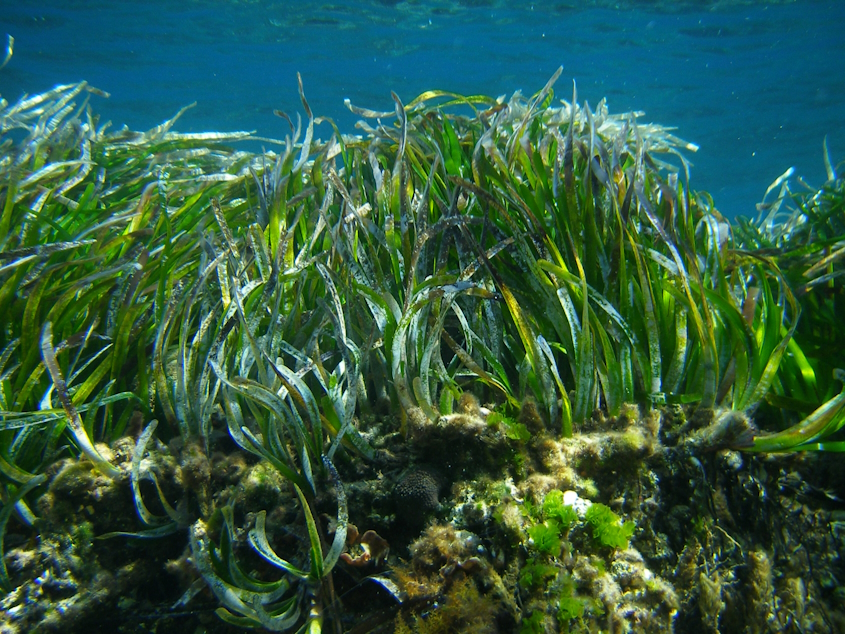
Per dotar els robots submarins de més autonomia i capacitats, aquest projecte busca millorar i potenciar les seves capacitats cognitives i intel·ligents durant l’exploració del fons marí. SIREC treballarà en primer lloc el mapeig de praderies marines de Posidonia oceànica, un component important dels ecosistemes vinculats al segrest de carboni i, per tant, de gran impacte ambiental i social.

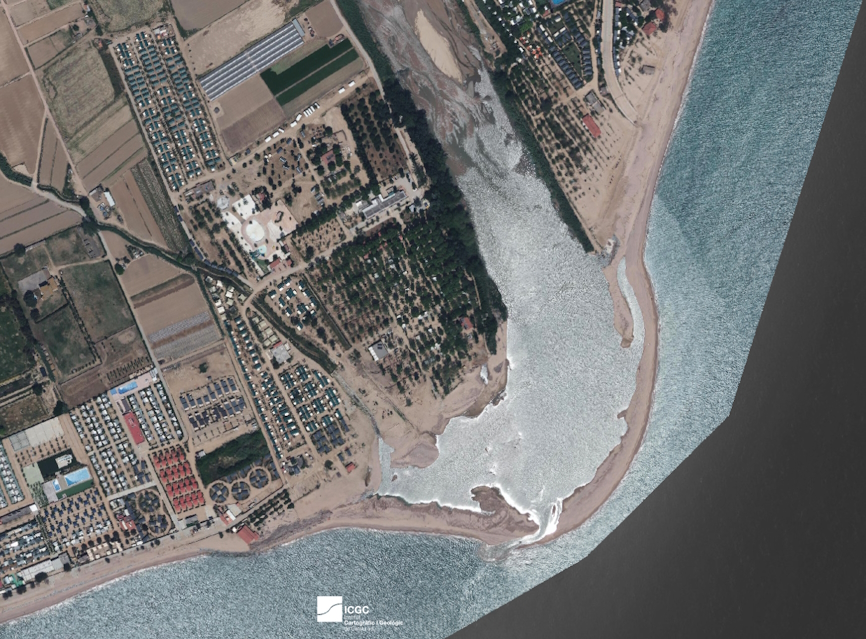
The project, with an explicitly interdisciplinary vocation, seeks, first of all, to document the role of storms as agents of change for Mediterranean coastal vegetation, both emerged and submerged (underwater meadows, marsh vegetation and dunes).
C/ d’accés a la Cala St. Francesc, 14
Blanes – Girona – 17300 (ESPAÑA)
Phone: +34 972 336 101
E-mail: info@ceab.csic.es