Wastewater in High Mountain Areas: Impact on Microbial Communities and Strategies for Its Mitigation (RAMi)
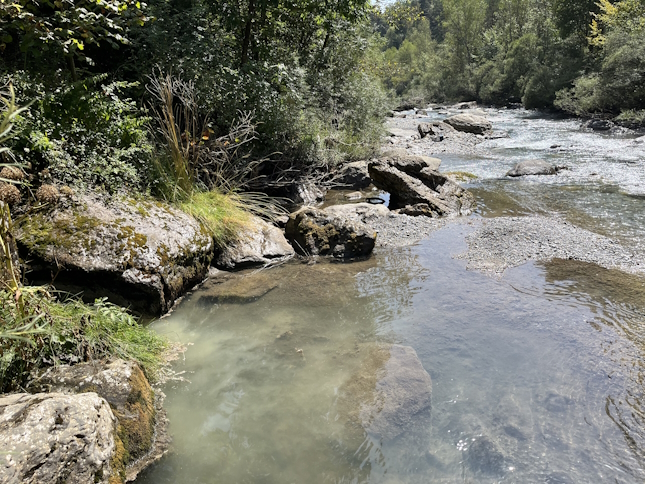
The project aims to design nature-based wastewater treatment solutions specifically adapted to high-mountain conditions.

The project aims to design nature-based wastewater treatment solutions specifically adapted to high-mountain conditions.

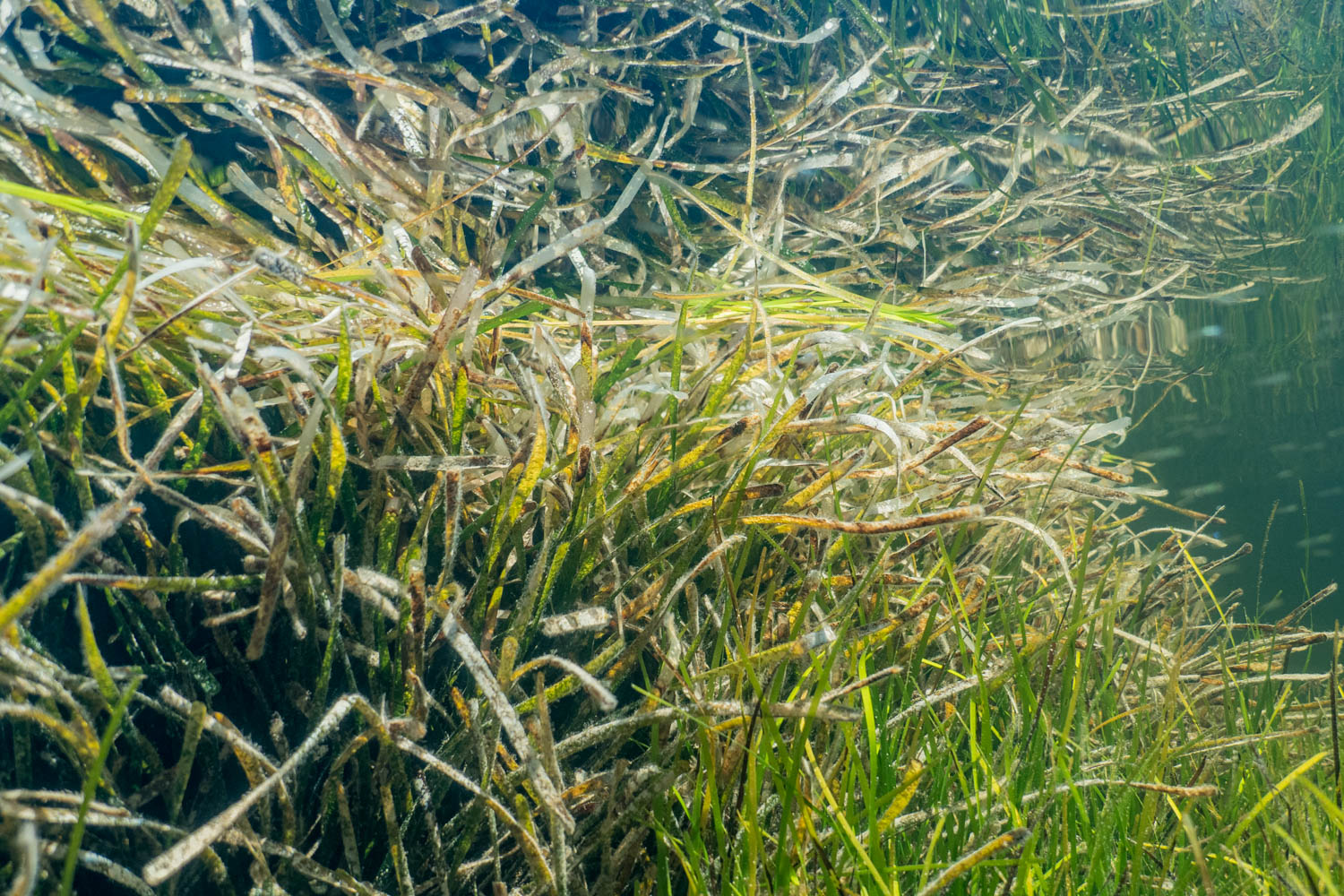
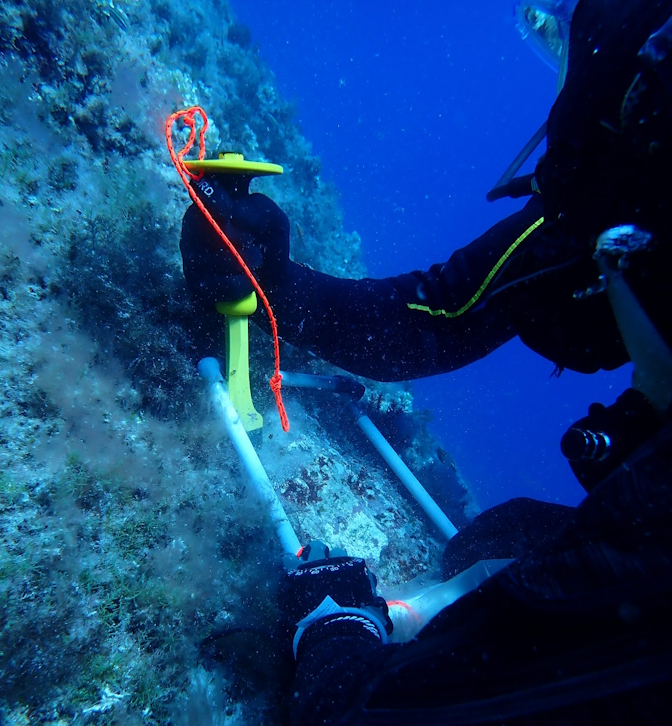
POSIDONIArXiv is an EU HORIZON MSCA project that combines environmental DNA (eDNA)—DNA fragments left by organisms in water and sediments—biogeochemical analysis, and ecological network analysis

This project is being developed within the framework of an ICOOP grant (a CSIC Scientific Cooperation Program for Development), which aims to stimulate collaboration between CSIC research groups and international research groups in countries receiving Official Development Assistance through training, work, and specialization stays for research groups from participating entities.

Aquatic non-native species are spreading globally due to human activity, yet little is known about how these invasions occur and evolve. This pioneering project uses environmental DNA (eDNA) to study the phases of biological invasion in various aquatic ecosystems, aiming to better understand these processes and provide tools to tackle the biodiversity crisis.

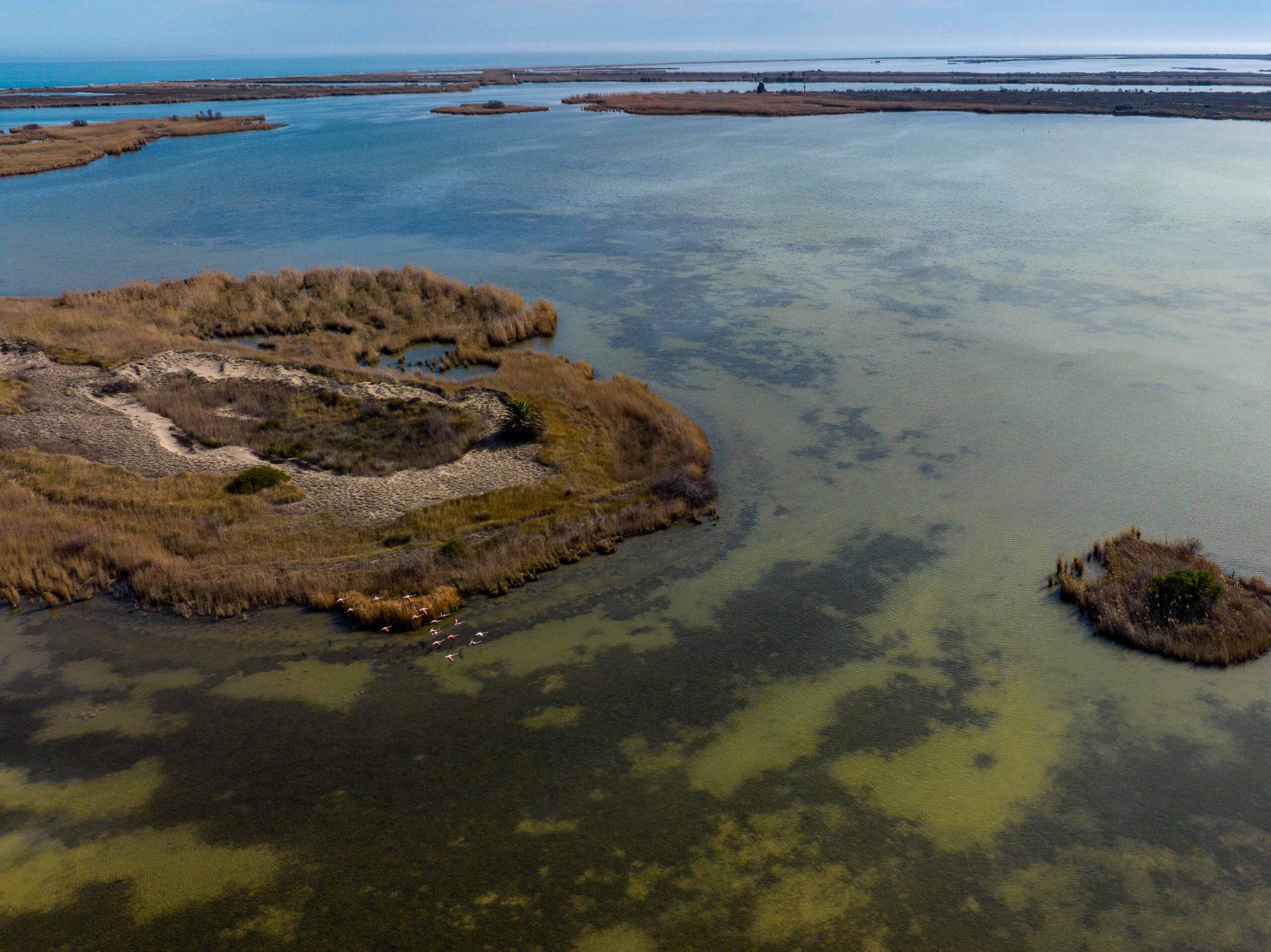
Given the recent detection of Perkinsus infecting mussels cultivated in the aquaculture area of the Ebro Delta and the lack of knowledge regarding its diversity, distribution, and ecology, this project aims to assess the epidemiological status of the disease Perkinsosis in the mussel aquaculture sector in Catalonia, in order to understand its potential impact.

A project that applies genetics to study biodiversity in marine ecosystems and detect invasive species.

This project by CREAF-CSIC, with the direct participation of researchers from CEAB-CSIC, aims to study cyanobacteria in high-mountain lakes and their environmental impact due to the recent increase in these organisms.

Headwater basins provide water supply, greenhouse gas regulation, and other essential ecosystem services. However, human activities have altered its functioning. This research project investigates how factors of anthropogenic origin alter the dynamics of headwater basins, especially their role in climate regulation.

Pharmaceutical micro-pollutants are chemicals used for human and animal health care that are found everywhere including in soil, water and sediment. This chemical contamination is usually associated with microbiological contamination (by microorganisms and/or their genetic material) from humans, animals and the environment.

The BEYOND project, a MSCA Doctoral Network, will train the next generation of water professionals to tackle European water quality challenges in the context of climate change and emerging contaminants. Researchers will gain interdisciplinary skills, access to cutting-edge technologies, and expertise in water management to drive innovation and improve water quality.
C/ d’accés a la Cala St. Francesc, 14
Blanes – Girona – 17300 (ESPAÑA)
Phone: +34 972 336 101
E-mail: info@ceab.csic.es