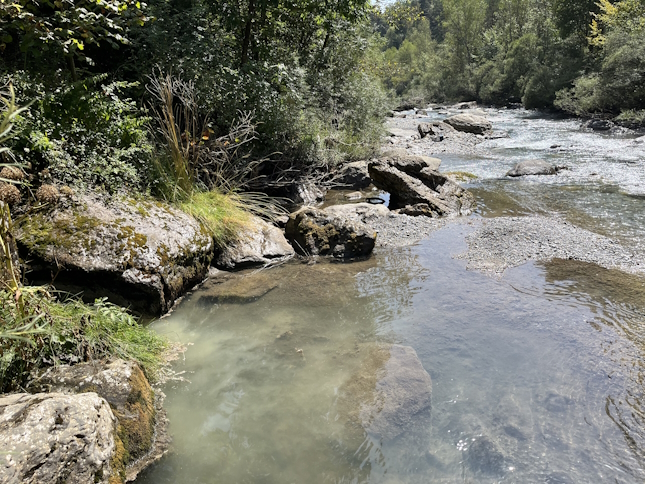
Wastewater in High Mountain Areas: Impact on Microbial Communities and Strategies for Its Mitigation (RAMi)
The project aims to design nature-based wastewater treatment solutions specifically adapted to high-mountain conditions.


The project aims to design nature-based wastewater treatment solutions specifically adapted to high-mountain conditions.

The new Blue Carbon Ecosystems Research Network in Spain brings together experts from across the country to promote the conservation of saltmarshes and seagrass meadows. Its goal is to generate knowledge, advise authorities, and foster policies and projects that harness the potential of BCEs to fight climate change and support sustainability.
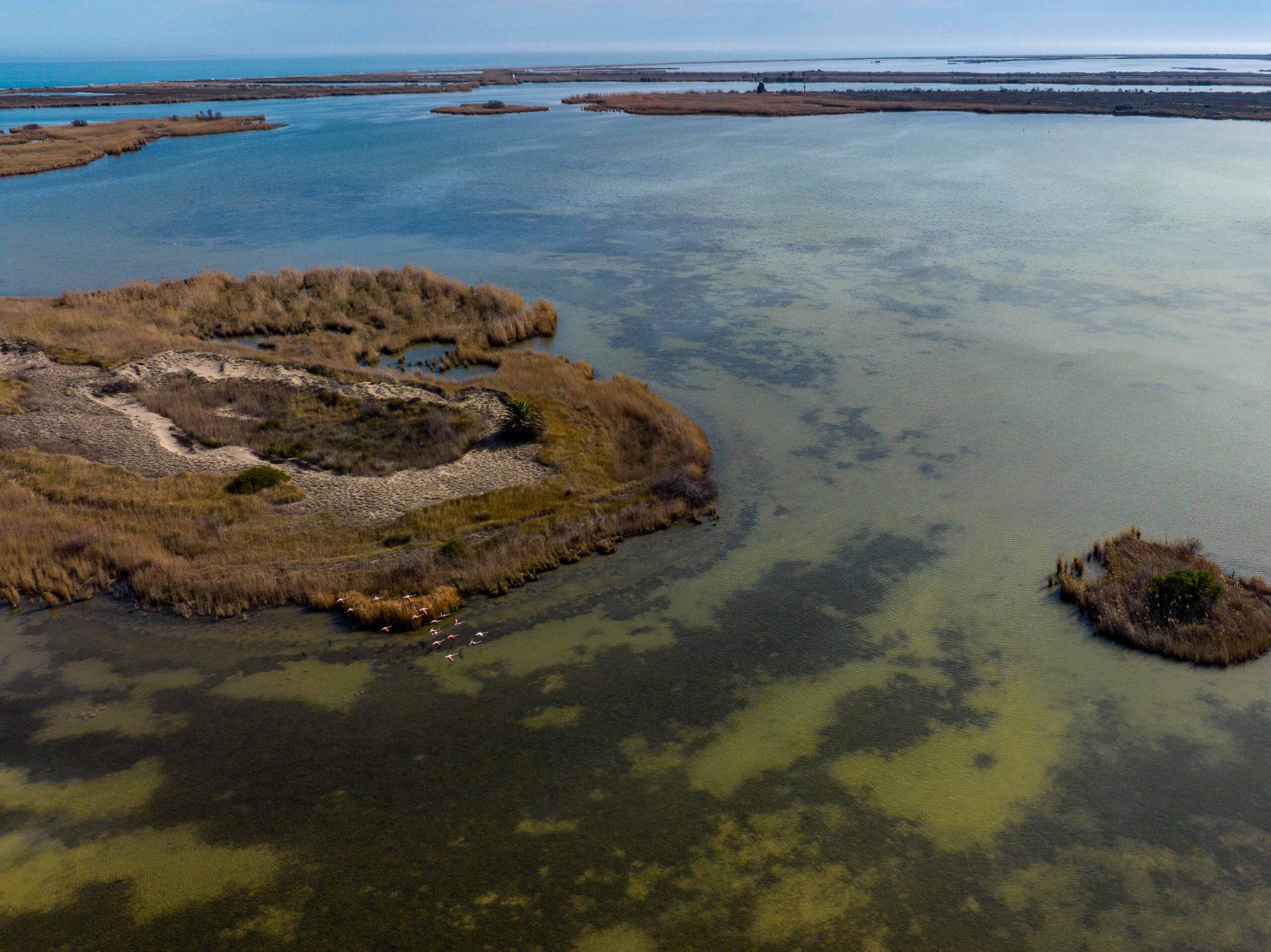
Given the recent detection of Perkinsus infecting mussels cultivated in the aquaculture area of the Ebro Delta and the lack of knowledge regarding its diversity, distribution, and ecology, this project aims to assess the epidemiological status of the disease Perkinsosis in the mussel aquaculture sector in Catalonia, in order to understand its potential impact.

Exploring Invisible Biodiversity in Pyrenean Lakes, Sentinels of Climate Change, Through High-Resolution Portable Genomics
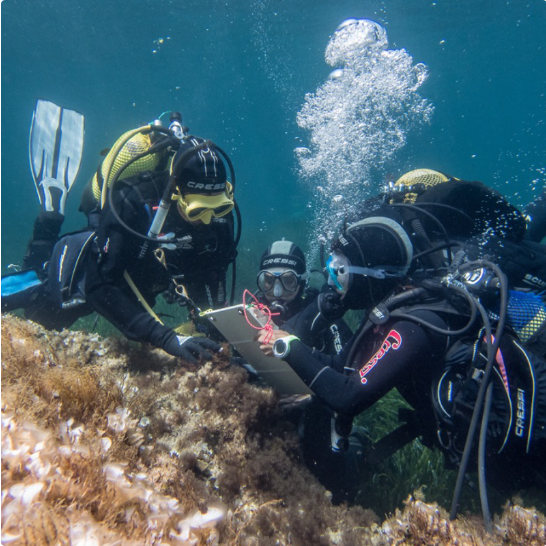
The research is closely linked to the effects of global change and how it can erode the resilience of habitat engineers such as macroalgae. It seeks to propose conservation priorities and contribute to preventing and avoiding the collapse of marine ecosystems.
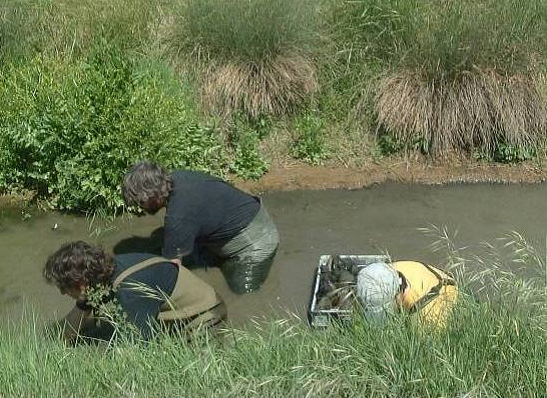
Naiads or large freshwater bivalves (Mollusca, Bivalvia, Unionoidea) are currently considered one of the most endangered animal groups on the planet. The NÀIADES project aims to generate the knowledge necessary to prepare the recovery plan for this group of animals in Catalonia.
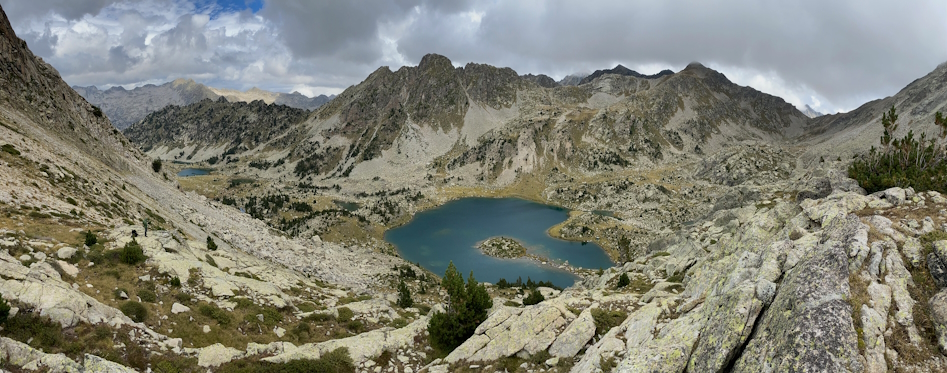
Despite their remote location, high mountain aquatic spaces are subject to anthropogenic threats that put their conservation status at risk, such as the introduction of exotic species, overcrowding by tourists or hydraulic infrastructures.
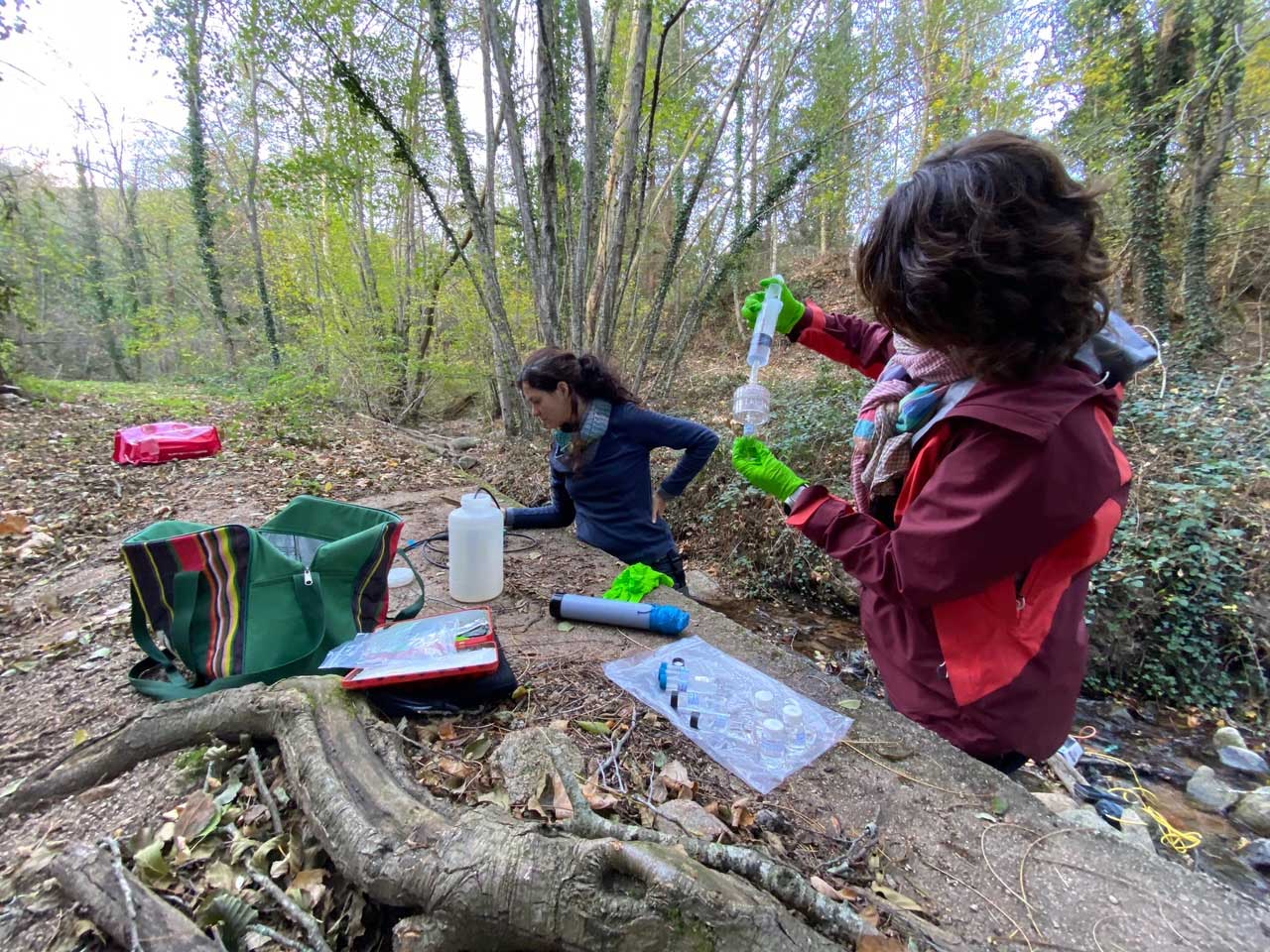
Evaluate the nitrogen retention capacity of rivers at different time scales and explore whether restoration with green infrastructure can significantly contribute to improving their self-purification capacity.
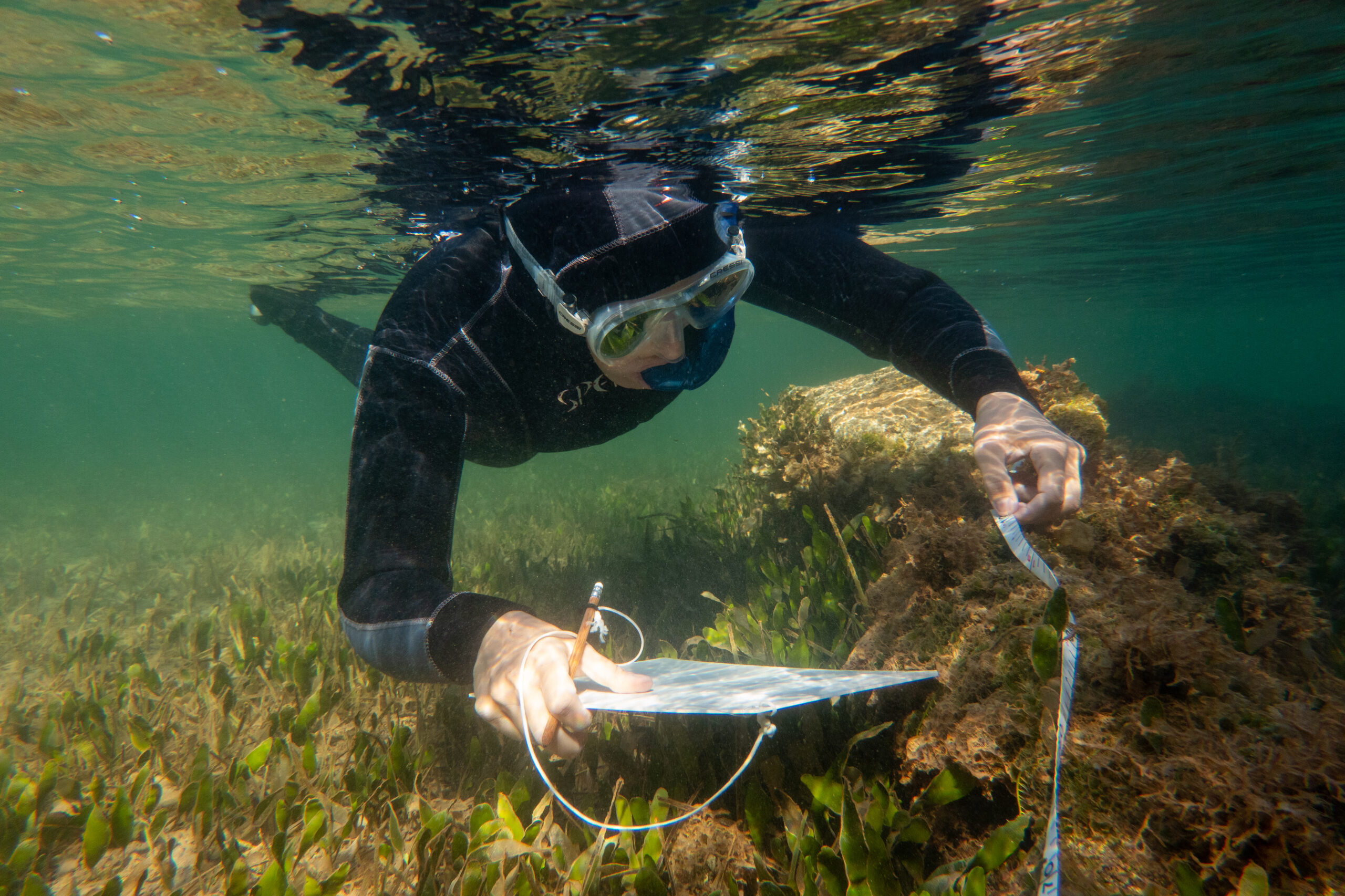
The development of effective strategies for the conservation of Cystoseira residual forests based on new tools to monitor them is of fundamental importance today. This project has been designed to provide these tools and assist environmental policy makers in the management of Cystoseira forests.
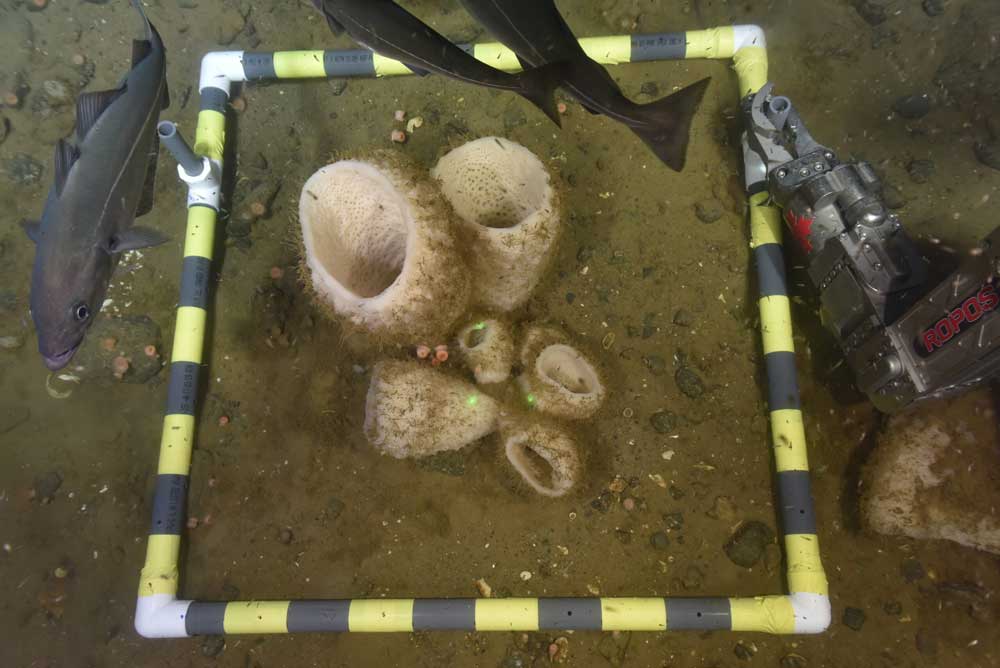
SponBIODIV’s main goal is to establish a sponge diversity and distribution baseline knowledge, as well as delivering tools to improve management and conservation of sponges across the Atlantic and Mediterranean.


