Skip to content

From collapse to solutions: underwater vegetation ecosystems as agents of climate change mitigation and points of no return

hydden-deserts
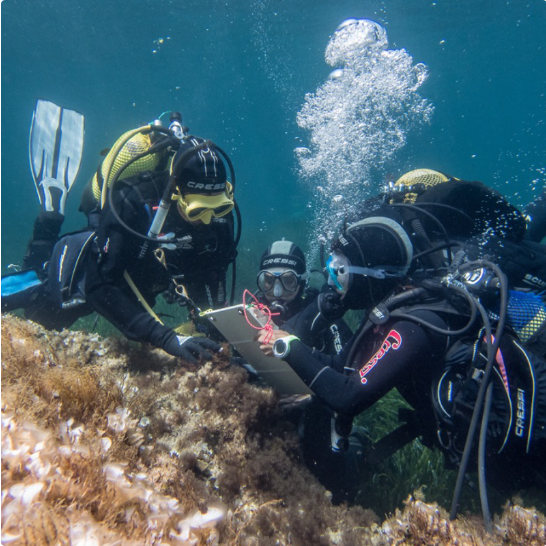
The research is closely linked to the effects of global change and how it can erode the resilience of habitat engineers such as macroalgae. It seeks to propose conservation priorities and contribute to preventing and avoiding the collapse of marine ecosystems.

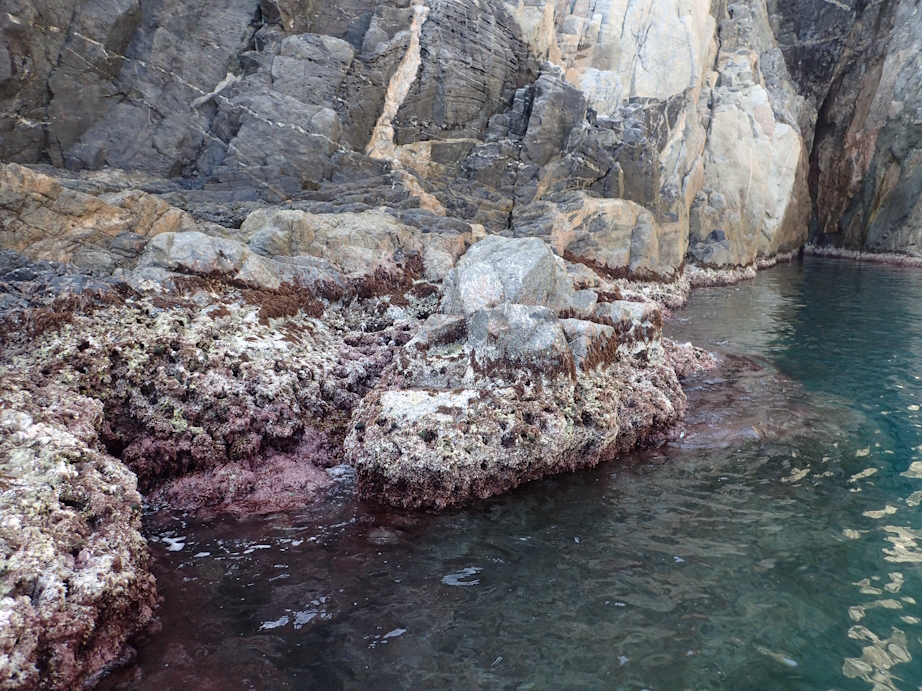
The research aims to understand state change transitions in benthic marine systems by multiple physical and biological stressors. In particular, the transitions of vegetated ecosystems and especially in the collapse of macroalgae forests becoming bare and unproductive rocky areas.

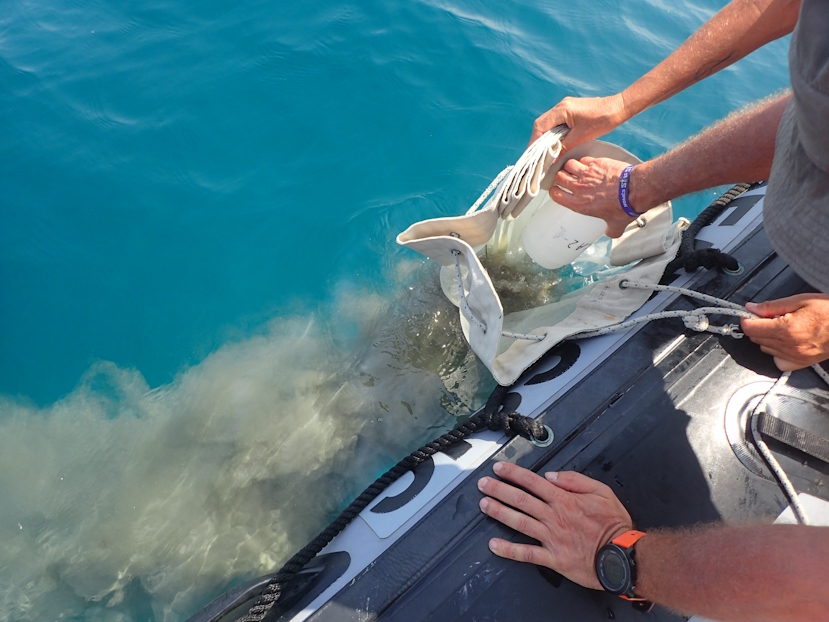
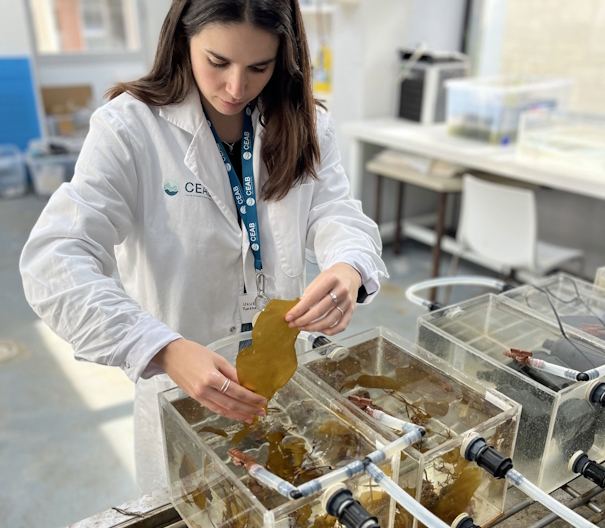
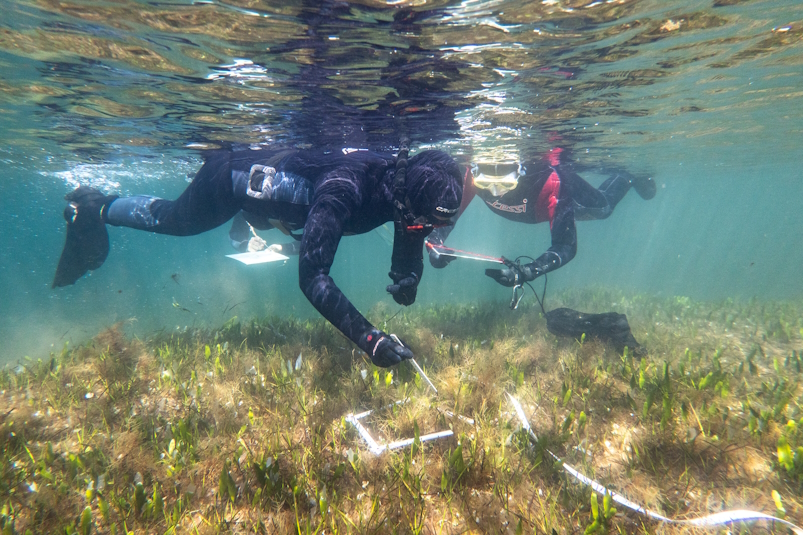
Natural surveys are combined with manipulative experiments (field and laboratory) and mathematical models to conceptualize collapses in marine ecosystems, identify tipping points, and quantify resilience.

The consequences of marine collapses for ecosystem goods and services and their link with socio-ecological changes are also studied, providing complementary approaches for the adequate management of benthic marine systems.

The research is closely linked to the effects of global change and how expected changes in the physical conditions of the environment can erode or increase the resilience of habitat engineers to propose conservation priorities and prevent the collapse of ecosystems that actually contribute to cushion its effects.
General project information

Financing amount

63.000€

Development period
Start

01/09/2023

End

31/08/2026

Department

Responsible researcher

Ramon y Cajal Researcher

Other researchers and involved staff

Funding entities

Institutions/collaborators

Social networks of the project

You may also be interested in

By studying the relationship between rivers, aquifers, and terrestrial environments, ENEO3 examines how natural self-purification processes can help improve water quality. The project focuses on denitrification, a key biogeochemical process that converts nitrates into nitrogen gas, thereby reducing water pollution caused by excess nitrogen.
The BlauCat project aims to assess the current status of blue carbon in Catalonia’s coastal ecosystems and contribute to the development of an action plan for their conservation and restoration, as a tool to support public policies for climate change mitigation and adaptation. The project will generate a homogeneous and georeferenced database on blue carbon stocks and fluxes at the regional scale, as well as an analysis of the restoration potential of these ecosystems.
The main objective of this research project is to co-develop digital twins for predicting water quantity and quality in the Ter and Tordera basins, including catchments, reservoirs and coastal areas, contributing to efficient water resource management, protecting ecosystems and maximising water security in a climate change context.
It focuses on detailed taxonomic analysis and trophic-functional assessment of soft-bottom macrobenthos in various regions worldwide, with the aim of providing rigorous scientific advice to support the completion of environmental monitoring and impact management studies for projects.
The project aims to design nature-based wastewater treatment solutions specifically adapted to high-mountain conditions.