-
The WHO has warned of an increase in dengue and chikungunya cases and the risk of the viruses spreading; in Spain, 108 cases of chikungunya and 124 cases of dengue imported from endemic areas have been reported this year.
-
In 2025, 45 locally acquired cases of West Nile fever and five deaths were reported; this year, three human cases have been confirmed, one in Alicante and two in Seville, and the virus has been detected in mosquitoes in Seville and Almería.
-
Since joining the National Plan in 2023, Mosquito Alert has collected nearly 70,000 citizen reports on mosquitoes, bites and potential breeding sites. The Ministry of Health encourages the public to take part in mosquito surveillance through the Mosquito Alert app, a citizen science tool that contributes to the early detection of invasive species, such as the Asian tiger mosquito, and to monitoring risks to public health.
Rising temperatures, heatwaves and other extreme weather events associated with climate change are altering the distribution, activity and seasonal presence of mosquitoes capable of transmitting diseases. In this context, information provided by the public helps to complement conventional surveillance systems and enables the early detection of changes that may affect public health.
The World Health Organization (WHO) warned in 2026 of an increase in dengue and chikungunya cases in certain parts of the Americas and Asia, as well as the risk of the viruses spreading to new geographical areas, and recommended strengthening surveillance and control systems.
In Spain, up to 19 July, 108 imported chikungunya cases had been reported, compared with 37 during the same period in 2025. More than half originated in Bolivia and around 21% in Cuba. To date, no locally acquired cases of mosquito-borne chikungunya have been documented in Spain. However, the presence of Aedes albopictus (Asian tiger mosquito) across much of the Mediterranean coastline, the Balearic Islands and other areas of the country indicates a risk that the virus could be introduced by infected travellers and subsequently transmitted to others by local mosquito populations.
Dengue, another disease transmitted by mosquitoes of the Aedes genus, remains widespread in endemic regions. Up to 19 July, 124 imported cases had been reported, compared with 153 during the same period the previous year. Nearly half were linked to travel to the Maldives and just over 25% to other countries in the Americas. No locally acquired dengue cases have been reported in Spain this year, although sporadic episodes of local transmission have been recorded since 2018, making continued surveillance and early detection essential.
Spain is also concerned about the circulation of the West Nile virus, which is mainly transmitted by mosquitoes of the Culex genus. As of 22 July 2026, one human case had been confirmed in Alicante and two in Seville, in addition to numerous detections of the virus in mosquitoes in Seville and Almería. By that date, no outbreaks had been reported in equines or birds during the current season.
During 2025, 45 locally acquired human cases were reported, including 37 confirmed and eight probable cases, compared with 158 reported in 2024. Half of the symptomatic cases developed neuroinvasive disease, and five deaths were recorded.
Animal surveillance also detected 12 outbreaks in equines across Andalusia, Extremadura, Catalonia and the Balearic Islands, as well as four infected birds in Lleida, Cádiz, Huelva and Córdoba. These figures highlight the importance of integrated surveillance involving people, animals and mosquitoes.
Rising temperatures may favour the spread of some species and extend their activity from spring through to autumn. However, extreme heatwaves and prolonged droughts may also reduce mosquito survival by limiting the availability of water needed for larval development. The relationship between heat, mosquito presence and exposure to bites is therefore not straightforward and remains an active area of research.
“It is not only important to know whether there will be more or fewer mosquitoes, but also to understand how heatwaves alter their behaviour and people’s exposure to bites. Citizen participation provides essential data for understanding these changes and for developing more accurate forecasting models,” explains Frederic Bartumeus, ICREA researcher at the CSIC Centre for Advanced Studies of Blanes and co-director of Mosquito Alert.
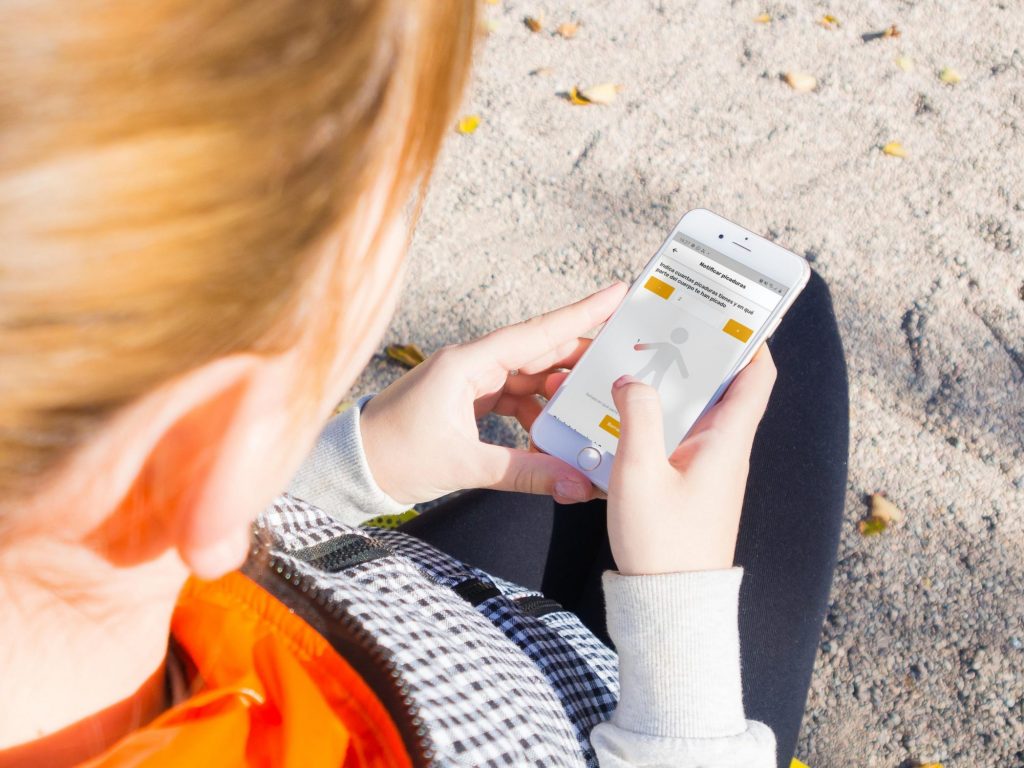
Through Mosquito Alert, anyone can submit photographs of mosquitoes, report potential breeding sites or notify mosquito bites. Observations are reviewed by specialists and used by researchers and public authorities to complement entomological surveillance.
“Understanding where mosquitoes are spreading, where they persist and how their activity patterns are changing is essential for anticipating future scenarios. Climate change introduces new uncertainties and requires us to continually improve our monitoring and forecasting tools,” says Lucía García San Miguel, from the Ministry of Health’s Centre for the Coordination of Health Alerts and Emergencies.
Since its launch in 2014, Mosquito Alert has helped detect invasive mosquitoes in almost 500 Spanish municipalities and has contributed to 32% of the first recorded detections in Spain.
Since 2023, the platform has formed part of the National Plan for the Prevention, Surveillance and Control of Vector-Borne Diseases as a complementary tool to conventional surveillance systems. Since then, members of the public have submitted nearly 70,000 observations: more than 44,000 reports of bites, over 15,000 photographs of adult mosquitoes and around 10,000 alerts regarding potential breeding sites.
The Ministry of Health encourages the public to download Mosquito Alert and actively participate in mosquito monitoring. Every observation contributes to scientific knowledge and helps strengthen prevention and response capacities.
The Ministry also advises travellers to areas where dengue, Zika or chikungunya are endemic to protect themselves against mosquito bites while travelling. If they return to areas of Spain where Aedes albopictus (Asian tiger mosquito) is present, they should continue protecting themselves from mosquito bites for two weeks, particularly if they develop symptoms, in order to prevent local mosquitoes from becoming infected and thereby reduce the risk of locally acquired cases occurring among non-travellers.