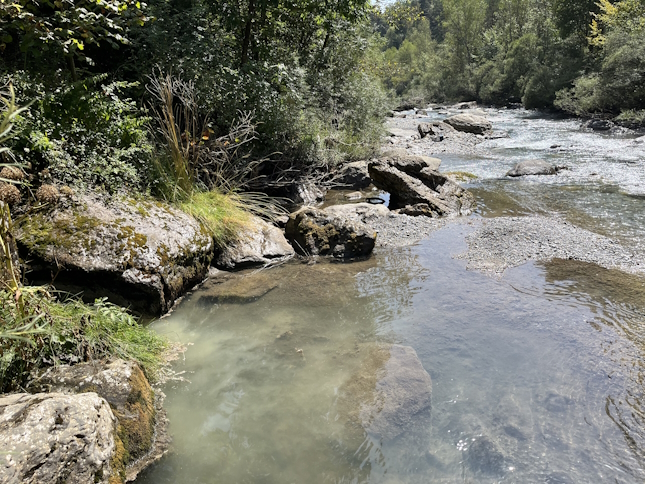
High-altitude alpine headwater rivers are naturally nutrient-poor and experience highly variable flow patterns. Yet, even these remote waters can be affected by wastewater from mountain tourism, such as huts and lodges that lack proper treatment systems. Previous research indicates that such wastewater is rich in nutrients—particularly ammonium nitrogen (NH₄)—which can significantly alter river chemistry (IWAS Project, OAPN 2023–2026).
The first to respond to these chemical changes are the microbial communities in river sediments. These microbes are crucial for nutrient cycling, including nitrogen and phosphorus removal. Changes in their composition, diversity, and activity can ripple through the entire ecosystem. However, we still know little about how these changes happen and how to prevent them—especially in sensitive alpine rivers.
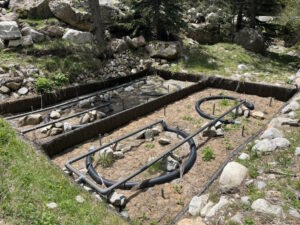
Current mitigation often relies on septic systems, which are simple and affordable but still release nutrient-rich effluents. To tackle this, RAMi aims to design nature-based wastewater treatment solutions specifically adapted to high-mountain conditions, helping preserve water quality in these fragile environments.
The RAMi Project focuses on two main goals:
1. Understanding Impact: Track how wastewater affects microbial community structure and ecosystem function.
2. Innovative Solutions: Develop effective, environmentally friendly treatment systems suited to alpine conditions.
By combining cutting-edge microbial research with green infrastructure, RAMi seeks to protect alpine rivers and ensure sustainable tourism in high-mountain regions.
(Funding: Proyectos Intramurales Especiales CSIC)