Strategic Plan for the Restoration of Marine Ecosystems in Catalonia
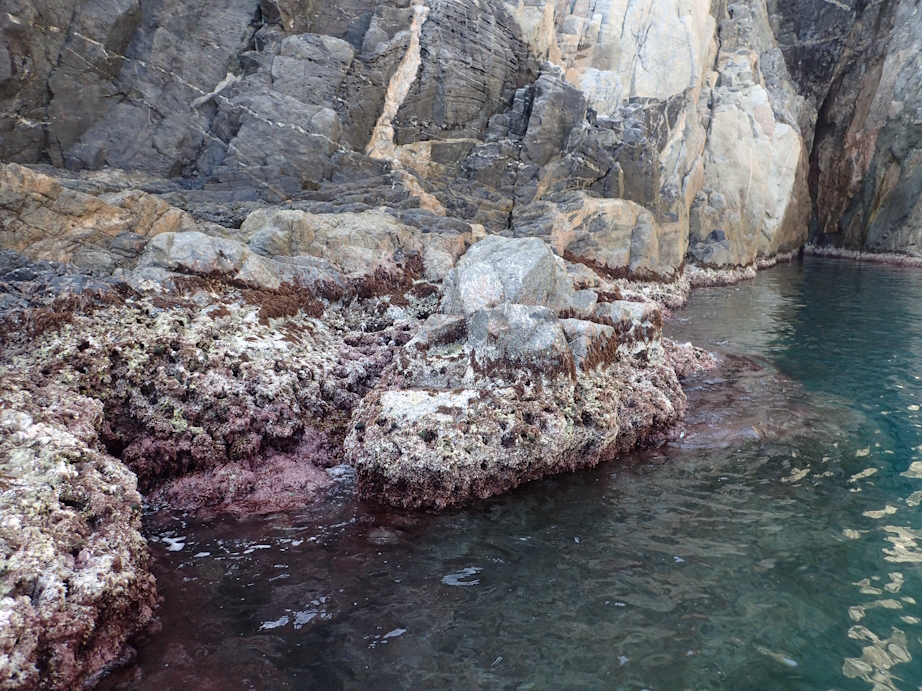
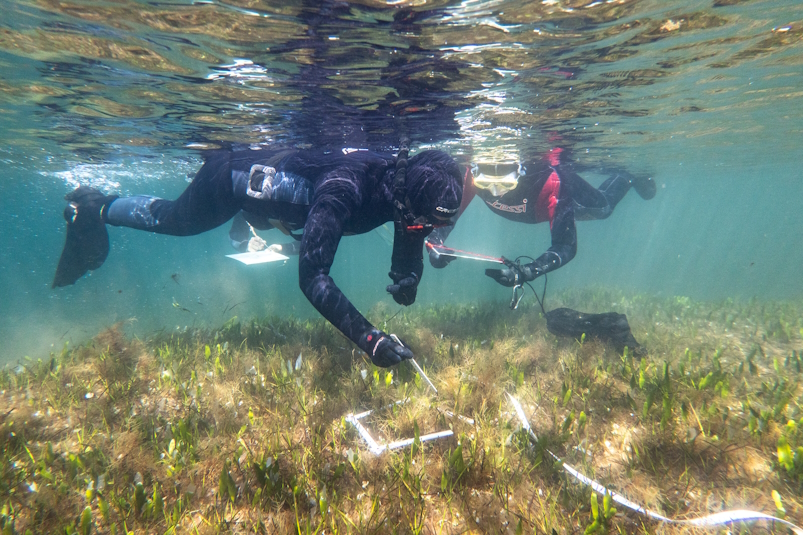
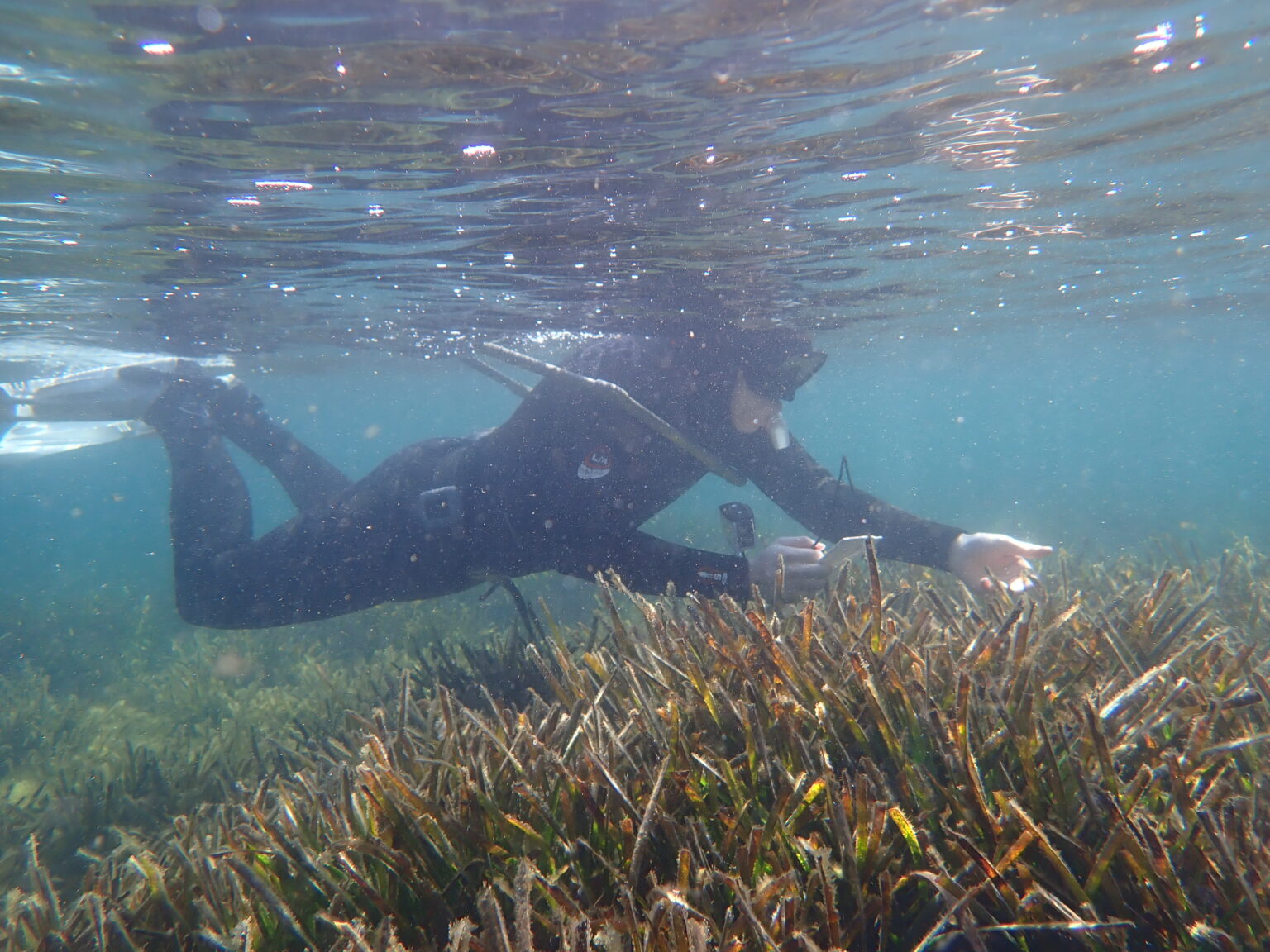
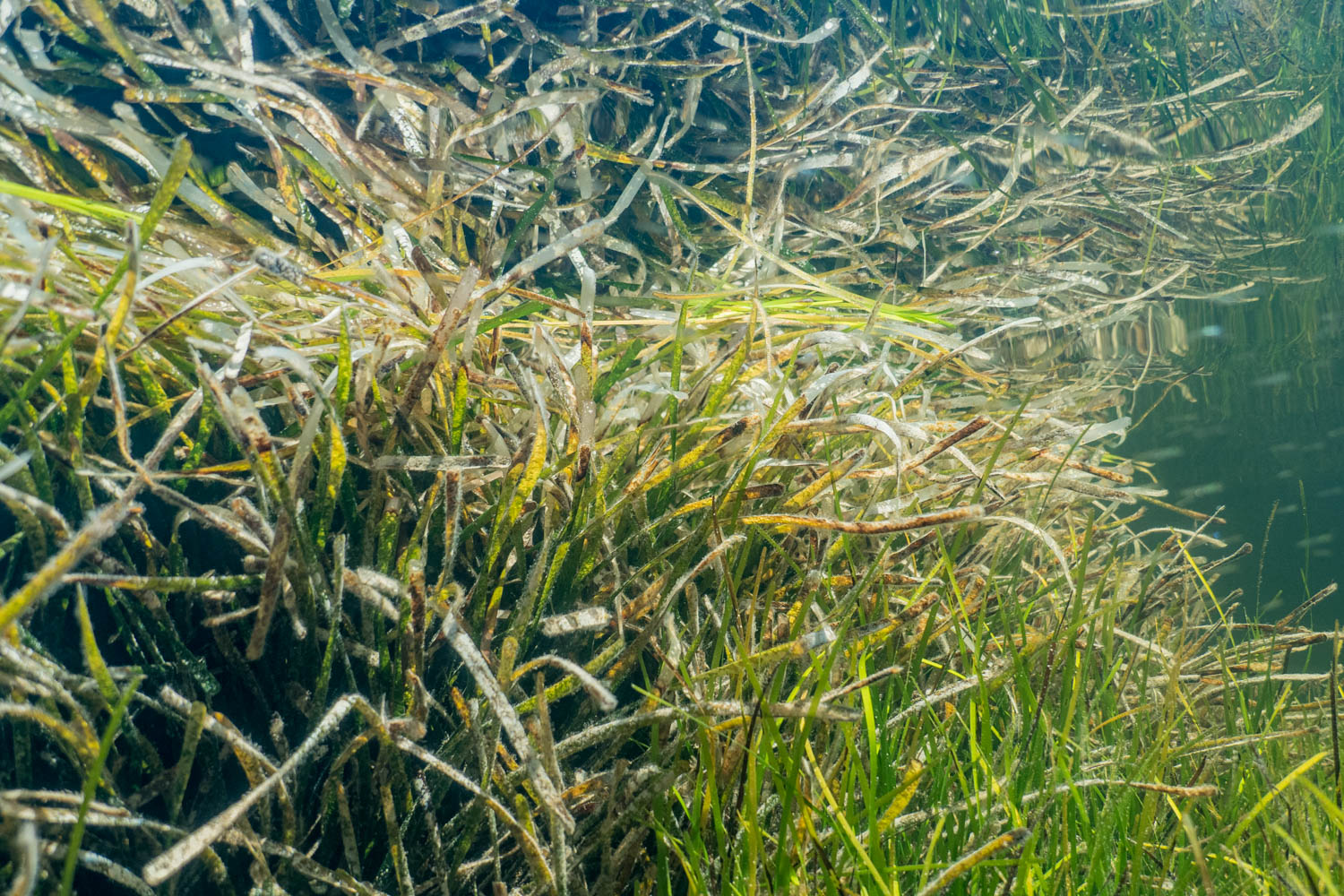
PEREMCAT is a pioneering initiative, promoted by the Generalitat de Catalunya, which aims to position Catalonia as a benchmark in the implementation of marine restoration

PEREMCAT is a pioneering initiative, promoted by the Generalitat de Catalunya, which aims to position Catalonia as a benchmark in the implementation of marine restoration

By combining satellite images, remote sensors, and field data, the project will provide effective tools to help managers and policymakers monitor and assess coastal carbon ecosystems and integrate blue carbon into national climate inventories and policies.

The Network’s main objective is to foster collaboration between national and international research groups to advise society and authorities on the key role of BCEs.

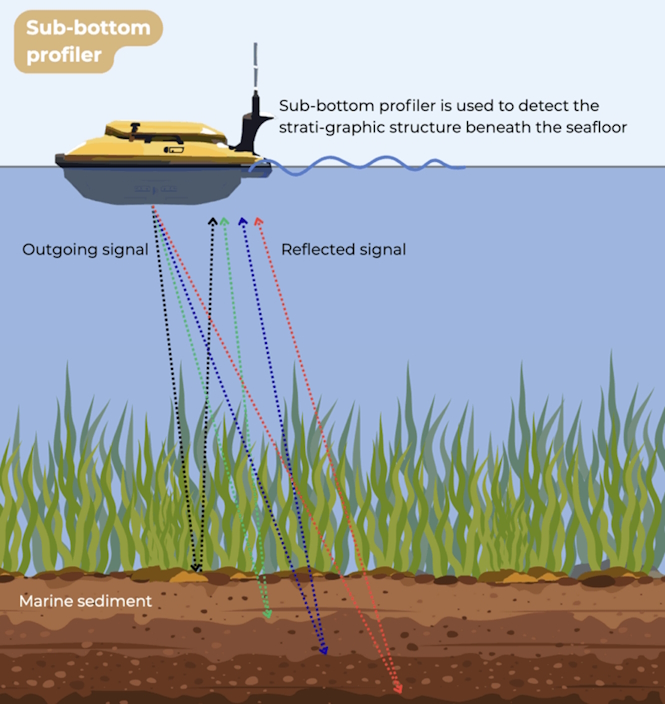
It proposes to develop an innovative and non-destructive method to quantify carbon stocks. This method will use advanced technologies such as geoacoustics, autonomous vehicles, drones, satellite imagery and artificial intelligence, also allowing the exploration of “hidden” carbon deposits under layers of sediment, which have so far been ignored.

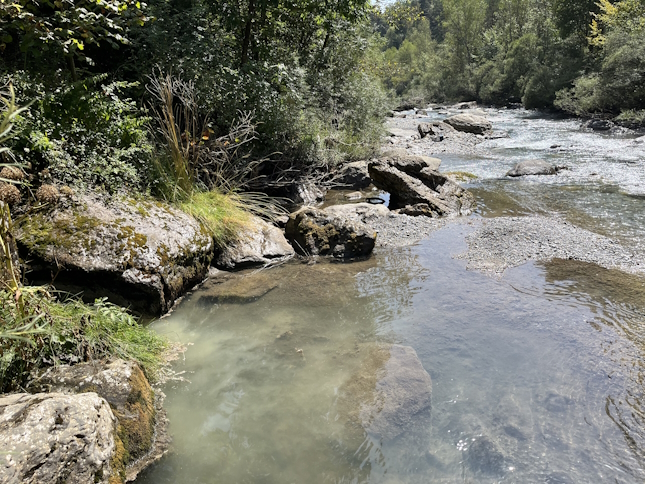
By studying the relationship between rivers, aquifers, and terrestrial environments, ENEO3 examines how natural self-purification processes can help improve water quality. The project focuses on denitrification, a key biogeochemical process that converts nitrates into nitrogen gas, thereby reducing water pollution caused by excess nitrogen.

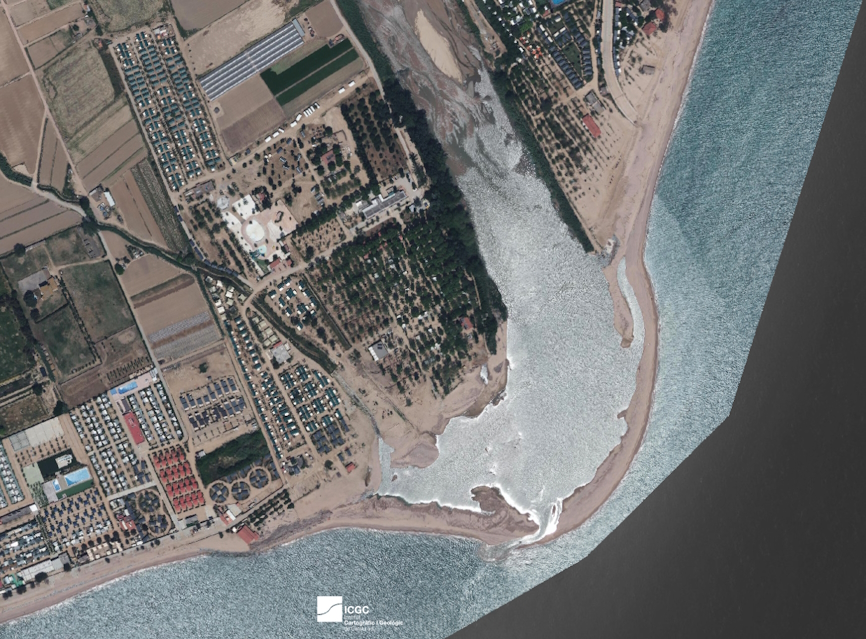
The main objective of this research project is to co-develop digital twins for predicting water quantity and quality in the Ter and Tordera basins, including catchments, reservoirs and coastal areas, contributing to efficient water resource management, protecting ecosystems and maximising water security in a climate change context.

It focuses on detailed taxonomic analysis and trophic-functional assessment of soft-bottom macrobenthos in various regions worldwide, with the aim of providing rigorous scientific advice to support the completion of environmental monitoring and impact management studies for projects.

The project aims to design nature-based wastewater treatment solutions specifically adapted to high-mountain conditions.

Given the recent detection of Perkinsus infecting mussels cultivated in the aquaculture area of the Ebro Delta and the lack of knowledge regarding its diversity, distribution, and ecology, this project aims to assess the epidemiological status of the disease Perkinsosis in the mussel aquaculture sector in Catalonia, in order to understand its potential impact.

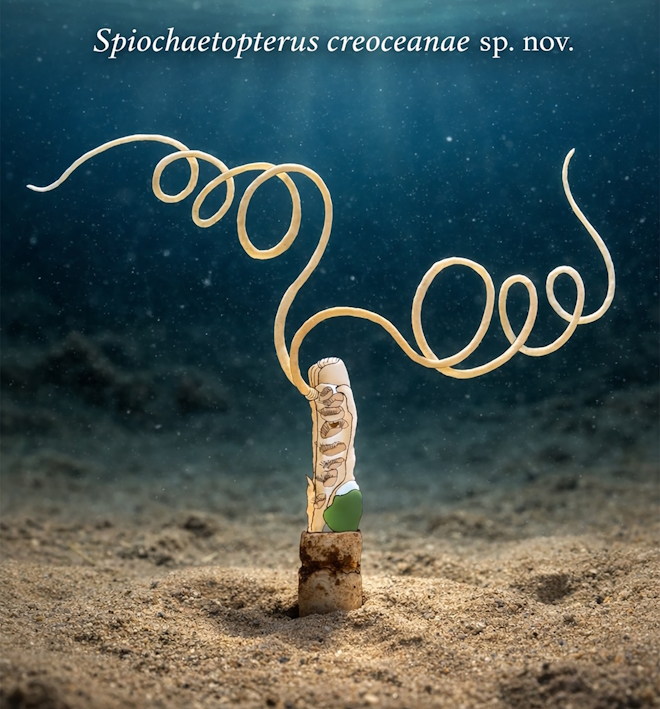
A project that applies genetics to study biodiversity in marine ecosystems and detect invasive species.
C/ d’accés a la Cala St. Francesc, 14
Blanes – Girona – 17300 (ESPAÑA)
Phone: +34 972 336 101
E-mail: info@ceab.csic.es