Strategic Plan for the Restoration of Marine Ecosystems in Catalonia
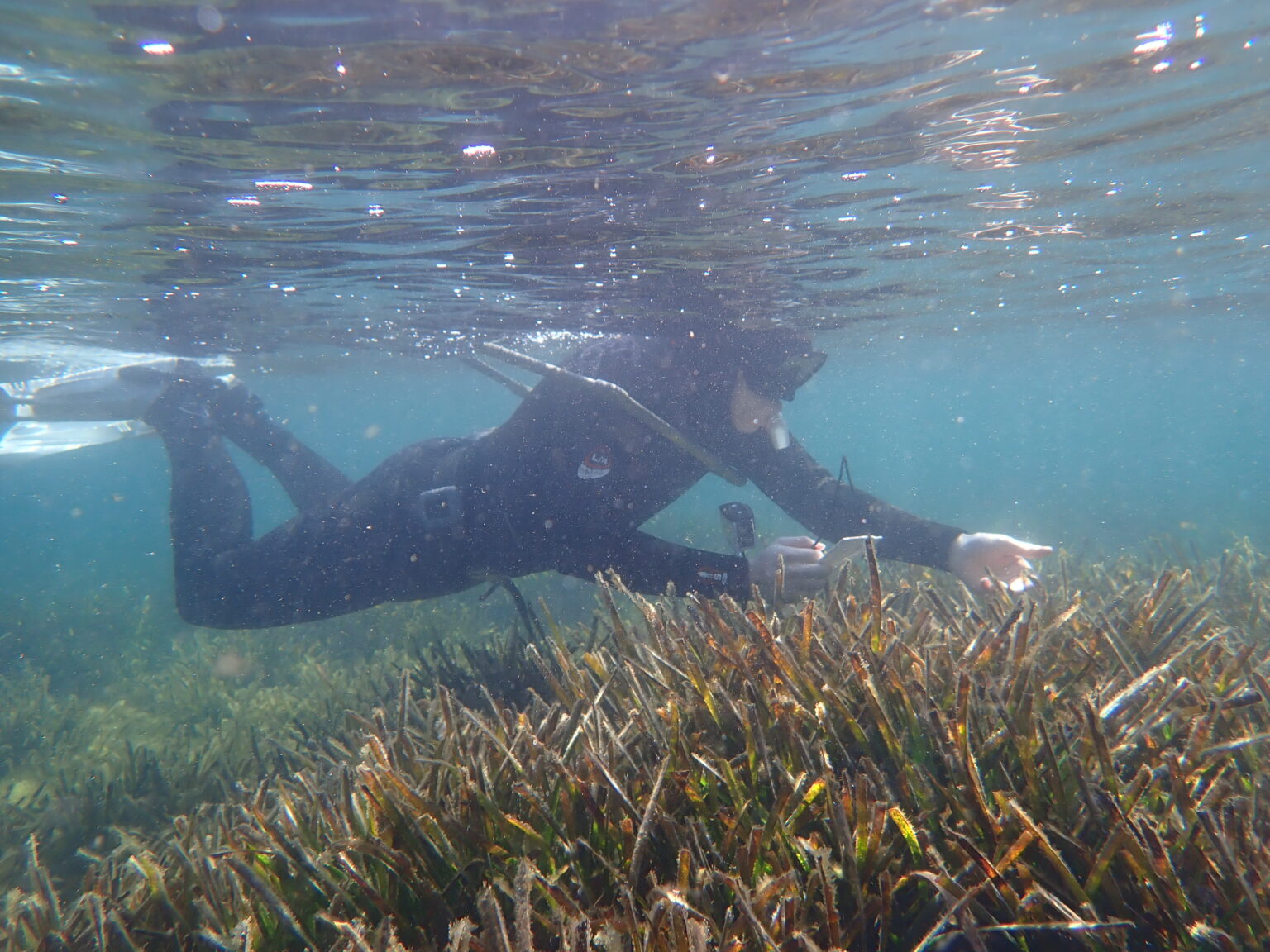
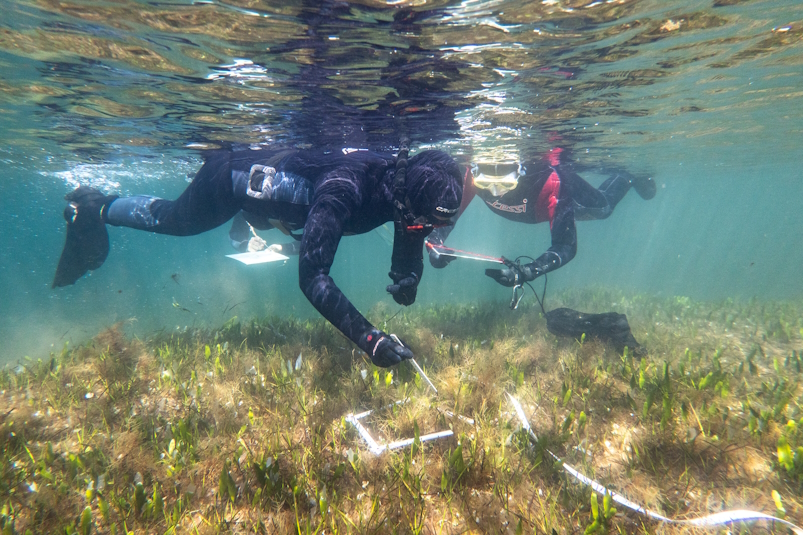
PEREMCAT is a pioneering initiative, promoted by the Generalitat de Catalunya, which aims to position Catalonia as a benchmark in the implementation of marine restoration

PEREMCAT is a pioneering initiative, promoted by the Generalitat de Catalunya, which aims to position Catalonia as a benchmark in the implementation of marine restoration

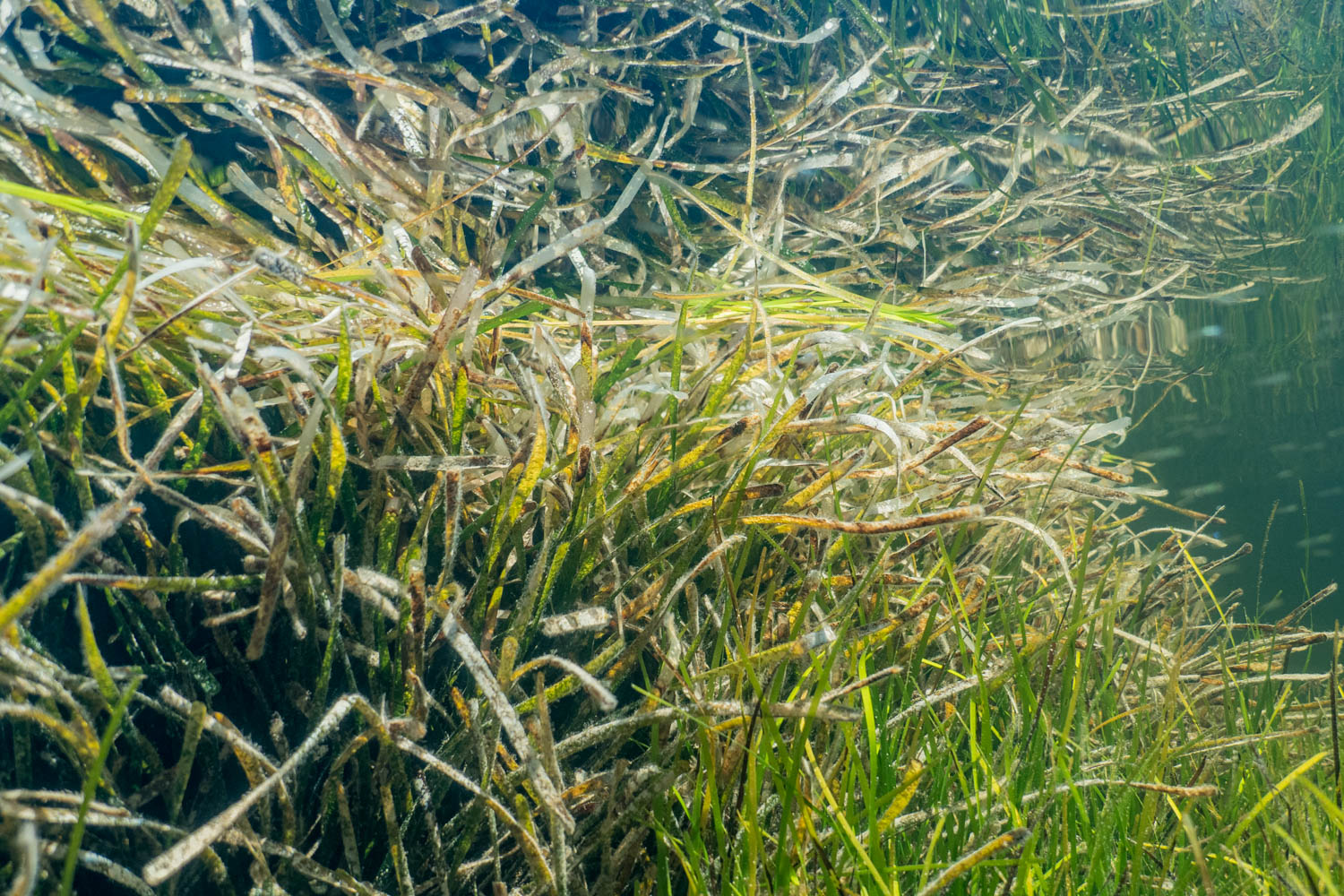
By combining satellite images, remote sensors, and field data, the project will provide effective tools to help managers and policymakers monitor and assess coastal carbon ecosystems and integrate blue carbon into national climate inventories and policies.

The Network’s main objective is to foster collaboration between national and international research groups to advise society and authorities on the key role of BCEs.

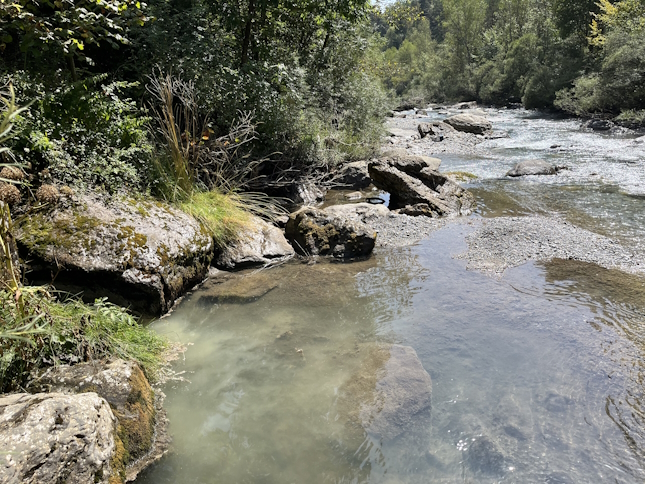
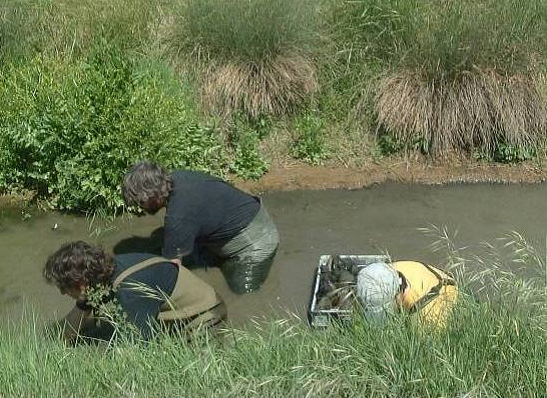
By studying the relationship between rivers, aquifers, and terrestrial environments, ENEO3 examines how natural self-purification processes can help improve water quality. The project focuses on denitrification, a key biogeochemical process that converts nitrates into nitrogen gas, thereby reducing water pollution caused by excess nitrogen.

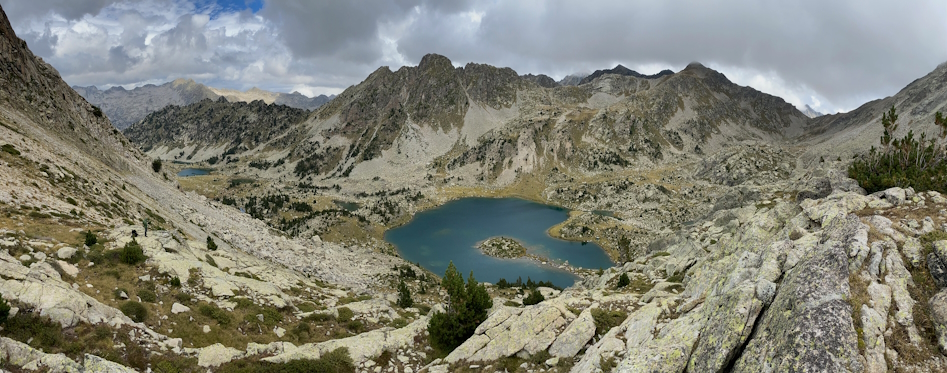
The project aims to design nature-based wastewater treatment solutions specifically adapted to high-mountain conditions.

Exploring Invisible Biodiversity in Pyrenean Lakes, Sentinels of Climate Change, Through High-Resolution Portable Genomics

Naiads or large freshwater bivalves (Mollusca, Bivalvia, Unionoidea) are currently considered one of the most endangered animal groups on the planet. The NÀIADES project aims to generate the knowledge necessary to prepare the recovery plan for this group of animals in Catalonia.

Despite their remote location, high mountain aquatic spaces are subject to anthropogenic threats that put their conservation status at risk, such as the introduction of exotic species, overcrowding by tourists or hydraulic infrastructures.

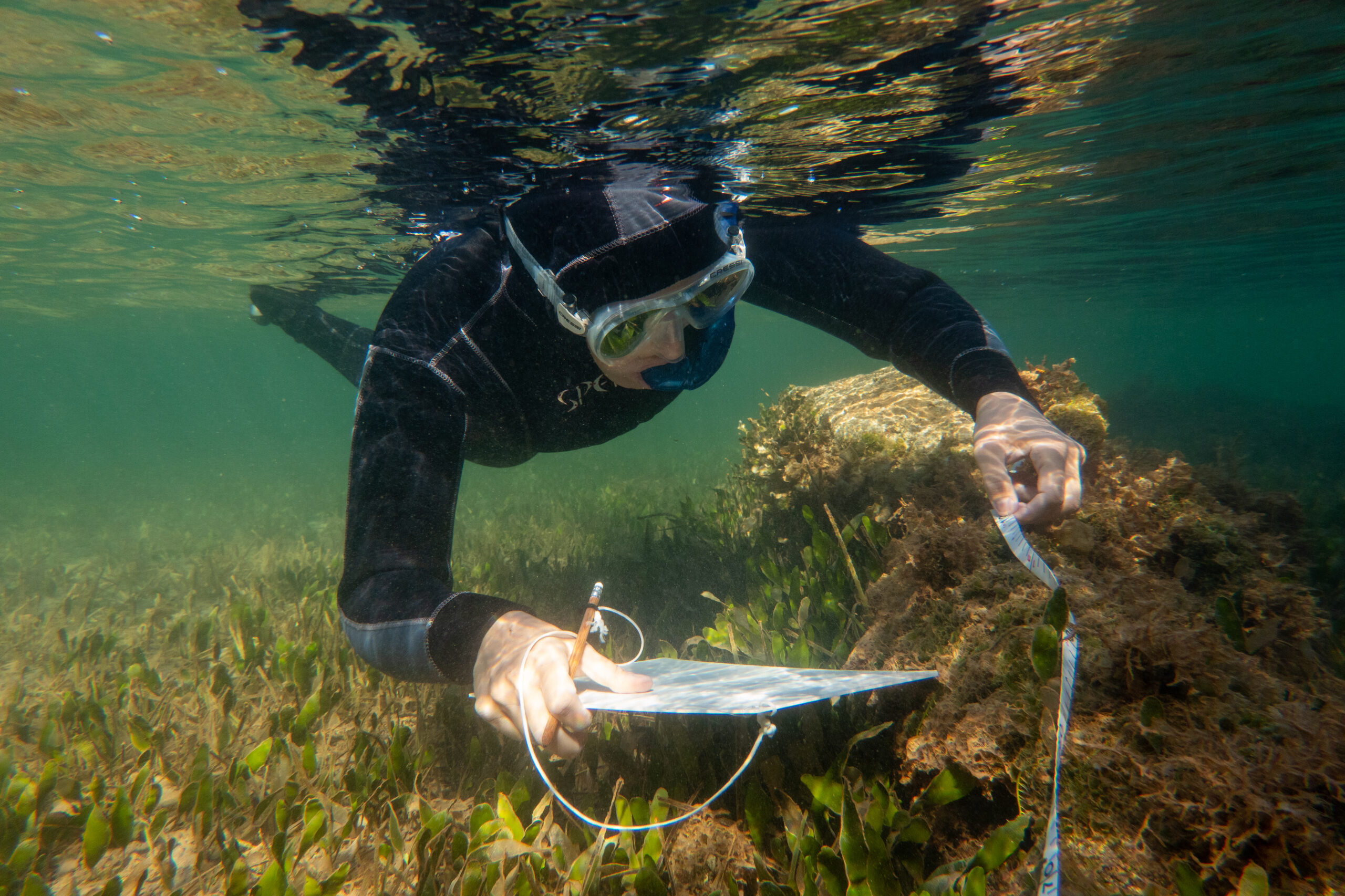
The development of effective strategies for the conservation of Cystoseira residual forests based on new tools to monitor them is of fundamental importance today. This project has been designed to provide these tools and assist environmental policy makers in the management of Cystoseira forests.

Many organisms form social systems, but most research does not consider collective processes to explain their ecological and evolutionary consequences for individuals and populations in stochastic environments. This application will help produce a new synthesis hitherto not considered.
C/ d’accés a la Cala St. Francesc, 14
Blanes – Girona – 17300 (ESPAÑA)
Phone: +34 972 336 101
E-mail: info@ceab.csic.es