The Centre for Advanced Studies of Blanes (CEAB) today marked its 40th anniversary with an institutional event highlighting four decades of science dedicated to understanding biodiversity and the functioning of aquatic ecosystems, from high mountain environments to deep-sea habitats, and to promoting the application of scientific knowledge to ecological management, conservation and restoration in the context of global change.
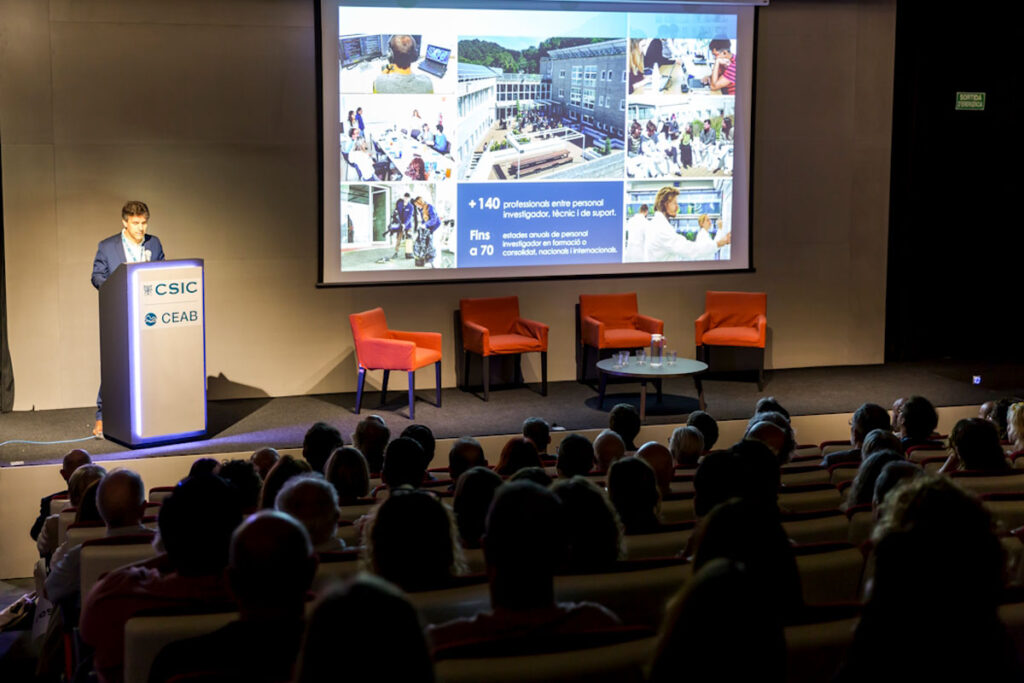
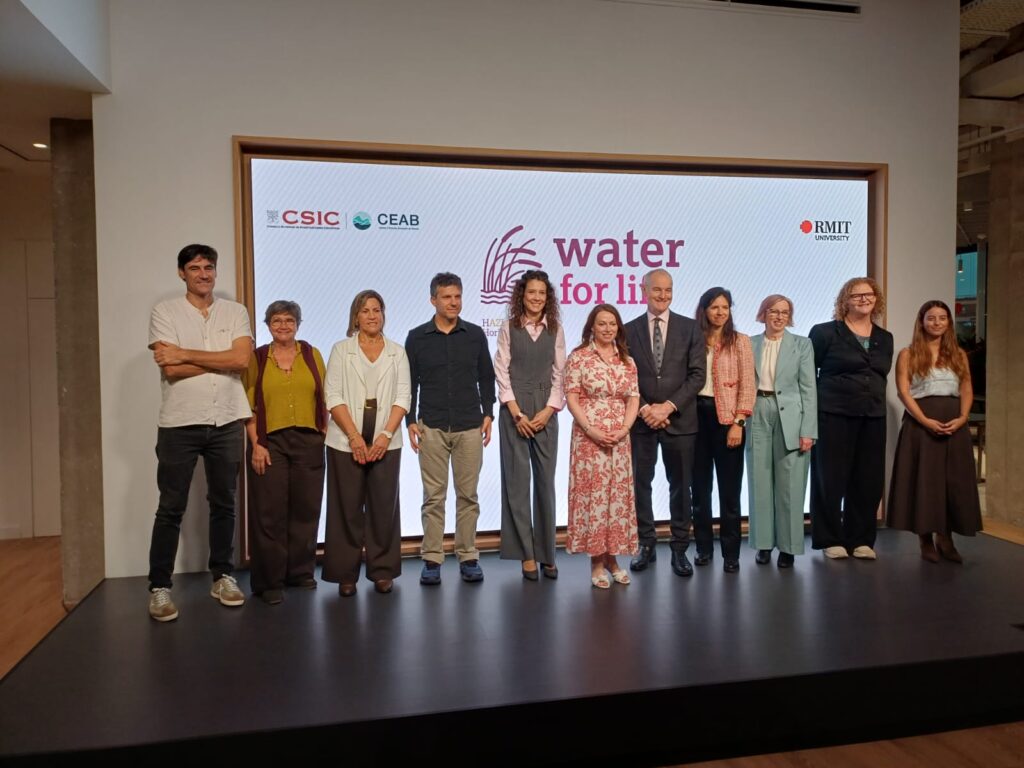
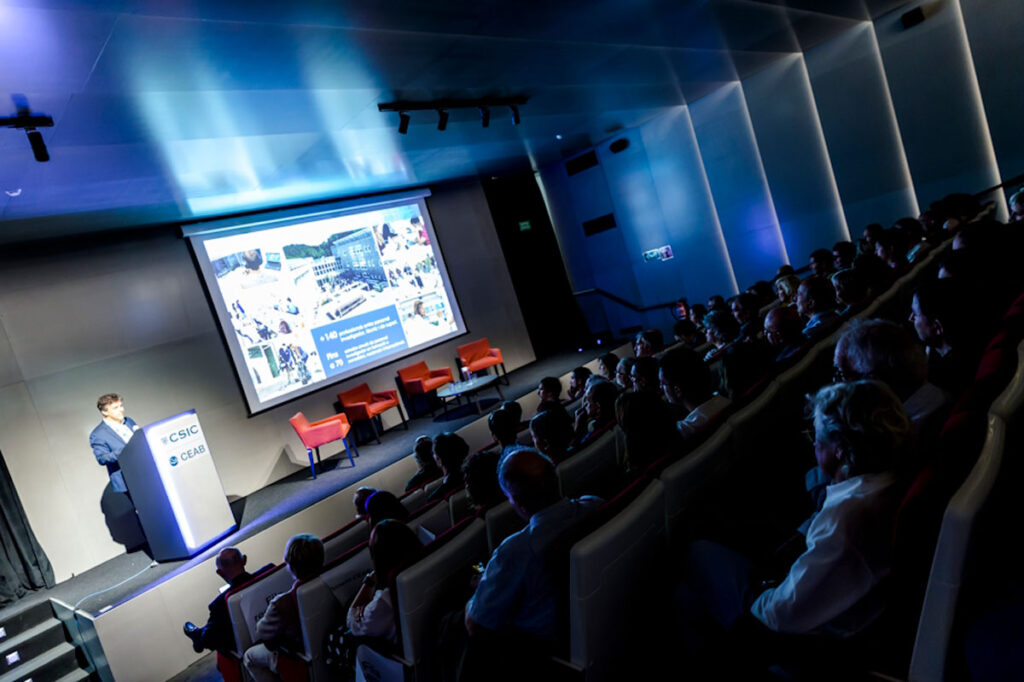
The event, held at the centre’s headquarters in the Enric “Kike” Ballesteros Auditorium, brought together representatives from public administrations, research institutions and civil society organisations. It began with welcoming remarks from public authorities, followed by a brief review of CEAB’s history and three panel discussions on its trajectory and future outlook, featuring members of the centre’s research staff. The event was hosted by science communicator Evelyn Segura.
Among the attending authorities were Lluís Calvo, Institutional Delegate of the Spanish National Research Council (CSIC) in Catalonia; Jordi Sargatal, Secretary for Ecological Transition and Teresa Sanchis, Director General of Research, of the Government of Catalonia; and Pere Parramon, Deputy Government Delegate in Girona, representing the Government of Spain.
During their speeches, the authorities emphasised CEAB’s contribution to advancing scientific knowledge, conserving aquatic ecosystems, and enhancing the international visibility of research carried out in Catalonia and across Spain. For his part, the centre’s Director and Research Professor, Marc Rius, highlighted CEAB’s incorporation into the CSIC’s excellence pathway following the award of the ASPIRA-MaX “Josefa Barba” distinction, as well as the centre’s contributions to marine biology and ecology, freshwater ecology, and ecological theory. Rius also underlined CEAB’s ability to transfer scientific knowledge to society in order to address environmental challenges.
From fisheries research to integrated global aquatic ecology
A review of the centre’s history was presented by one of its earliest researchers, Maria Jesús “Iosune” Uriz. She recalled CEAB’s origins in the CSIC fisheries research station established at the Port of Blanes in 1949, which consisted of a small laboratory and a public aquarium. The current centre opened in 1985 with a strong interdisciplinary vocation, driven by figures such as Severo Ochoa, Joan Oró and Ramon Margalef. During its early years, the centre brought together teams working in marine ecology, oceanography, astrophysics and artificial intelligence. It later specialised in marine sciences before incorporating limnology and ecological theory, the three major disciplines that structure its research today.
Understanding: scientific knowledge of biodiversity and ecology
The first panel highlighted CEAB researchers’ long-standing expertise in studying biodiversity, including internationally recognised disciplines such as taxonomy and, more recently, genetic techniques applied to biodiversity research. The discussion also emphasised long-term ecological datasets from the Mediterranean Sea, as well as lakes, rivers and other inland aquatic ecosystems. This knowledge has been, and continues to be, the foundation of a significant proportion of the scientific output generated not only by CEAB teams but also by researchers worldwide. The panel underscored the international reach and influence of this scientific knowledge, shared through participation and leadership in networks such as the World Register of Marine Species (WoRMS) and the Long Term Ecological Research (LTER) network.
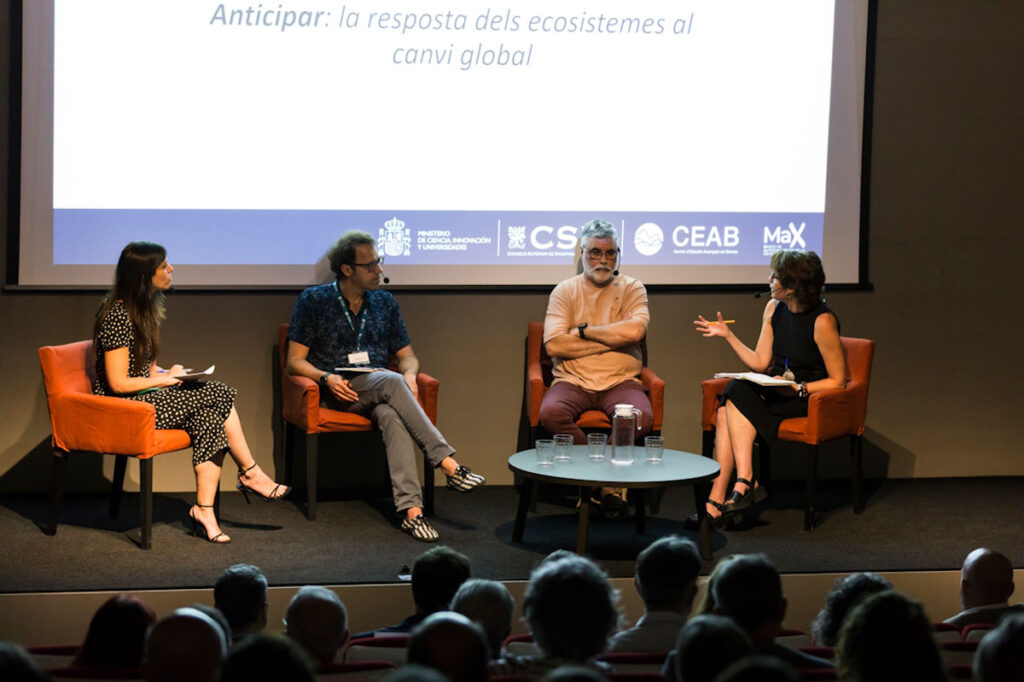
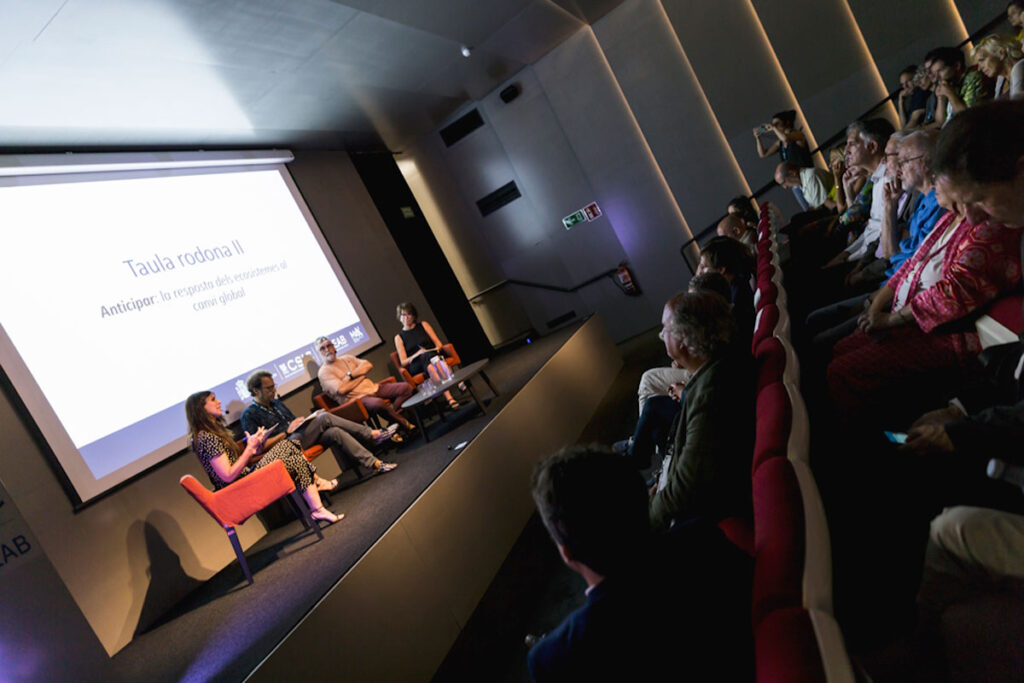
Anticipating: ecosystem responses to global change
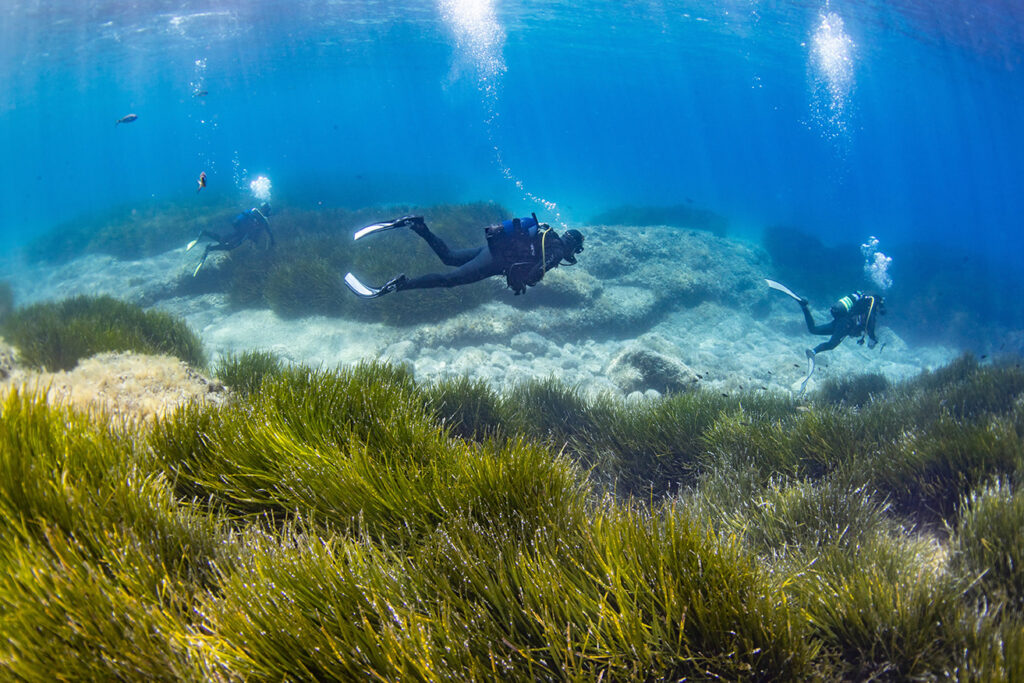
The second panel focused on CEAB’s contribution to understanding the impacts of human-driven pressures associated with global change on ecosystems. Particular emphasis was placed on the centre’s expertise in Mediterranean regions and other areas with Mediterranean-type climates, with examples including studies of marine forests, seagrass meadows and river ecosystems, both urban and relatively undisturbed. This expertise is becoming increasingly relevant internationally as climate-driven “Mediterraneanisation” affects regions that previously lacked such characteristics. The discussion explored the centre’s work in identifying ecological patterns and developing models and theoretical frameworks that help predict ecosystem responses under different global change scenarios. This research has informed, and continues to inform, conservation and ecological restoration actions, as well as public health initiatives, including studies on disease vectors.
Connecting: ensuring science informs decision-making
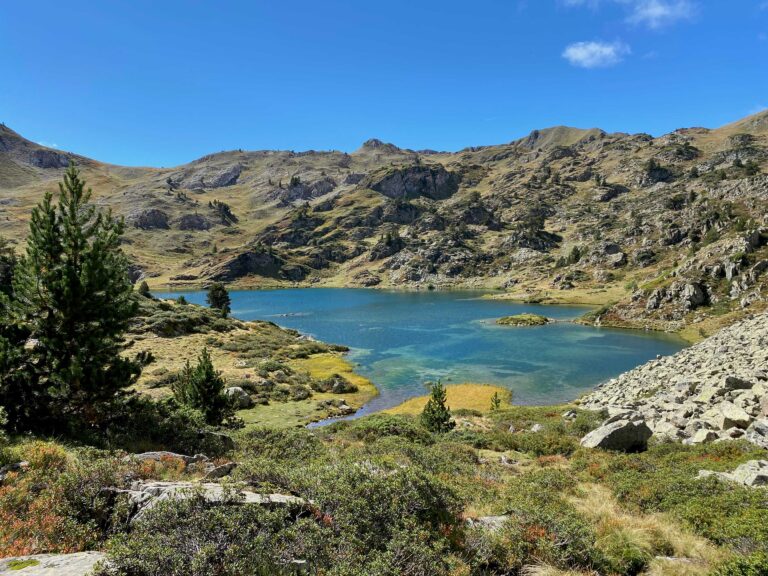
The third panel addressed the transfer of scientific knowledge into management practice through collaboration with public administrations, private-sector organisations and civil society. Examples included the development, validation and application of ecological restoration methodologies for high-mountain lakes and other aquatic ecosystems through European projects such as LIFE Resque Alpyr, as well as restoration initiatives in marine forests in partnership with natural parks and other protected areas.
The discussion also highlighted CEAB’s long-standing collaboration with the Catalan Water Agency in monitoring ecological bioindicators along the Catalan coast under the Water Framework Directive, as well as in the early detection and surveillance of invasive species. Other topics included blue carbon research, studies on the resilience of coastal ecosystems such as seagrass meadows, the development of innovative tools to predict water availability and quality under global change scenarios, nature-based solutions for river restoration through facilities such as the Urban River Lab, and the provision of expert scientific advice to inform public policies on sustainable coastal management and the prevention of emerging vector-borne diseases.
The panel also stressed CEAB’s engagement with society through the coordination of international citizen science initiatives such as Mosquito Alert and nationwide projects such as Observadores del Mar.
Looking ahead
The event concluded with an expression of gratitude to everyone who has contributed to CEAB’s journey over the past 40 years, alongside a renewed commitment to generating knowledge in collaboration with all sectors of society and supporting evidence-based decision-making.
Key facts about CEAB
- One of the 121 research institutes of the CSIC and the only one based in the province of Girona, from where it conducts internationally recognised research.
- More than 140 professionals, including research, technical and support staff, as well as up to 70 annual research stays by early-career and established researchers from both national and international institutions.
- Sustained annual output of more than 120 scientific publications.
- Scientific activity worldwide, in collaboration with institutions from more than 60 countries, with particularly strong co-authorship links with the United States, Australia, Italy, Germany and the United Kingdom, and more than 150 collaborations with institutions across Spain.
- The centre currently manages more than 100 active research projects and grants, with over €15 million in ongoing competitive funding. It is also involved in around twenty collaboration agreements and more than 35 active R&D contracts with public and private organisations.
- Generation of long-term ecological datasets—some spanning almost 40 years—which are among the most extensive in Spain for marine and inland aquatic ecosystems.
- Participation in and leadership of unique research infrastructures and platforms such as the Pyrenees Limnological Observatory (LOOP), the Living Organisms Experimental Laboratory (LEOV), the Molecular Ecology and Genetics Laboratory and Clean DNA Lab, and the Urban River Lab (URL).
- Institutional recognition through the CSIC’s ASPIRA-MaX excellence distinction, awarded to centres with outstanding scientific potential.
- More than 80 science outreach activities annually, involving close to 9,500 participants.
40 years of milestones
- Identification of approximately 850 species new to science by CEAB researchers.
- Development of an integrated approach to aquatic ecosystems across the land–sea continuum.
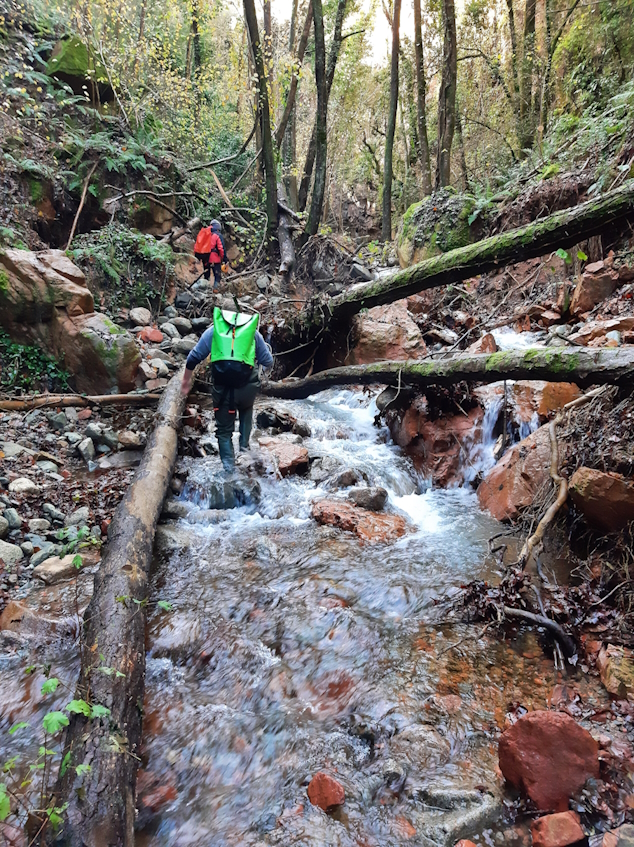
- International reference in the study of the functioning and biogeochemistry of Mediterranean rivers, with key contributions to understanding the effects of global change on inland aquatic ecosystems.
- Pioneering contributions to ecological restoration through the development and scientific validation of methodologies combining passive and active restoration approaches, as well as specific restoration techniques, applied to high-mountain lakes, rivers, coastal ecosystems, seagrass meadows, marine forests and other structural habitats such as gorgonian assemblages.
- Groundbreaking contributions to the study of the resilience of shallow marine ecosystems and ecological thresholds that inform conservation and restoration priorities for marine forests and seagrass meadows.
- Leading research in ecological theory and modelling to anticipate ecosystem responses to global change.
- Promotion of international citizen science projects such as Mosquito Alert and nationwide initiatives such as Observadores del Mar.
- Contributions to the study of marine animal populations, providing knowledge relevant to their conservation.
- Pioneering development and application of advanced monitoring and forecasting tools that combine field observations with innovative ecological approaches such as environmental DNA, together with technologies including sensors, cameras and drones, as well as geographic information system (GIS) mapping, bioinformatics, mathematical modelling and digital twin systems.
- Established role in providing scientific advice to public administrations—including the Government of Catalonia and the Spanish Government—on environmental management and conservation, delivering independent evidence-based expertise.
- Leadership in international networks such as LTER, GLEON, Euromarine and WoRMS.
- International recognition through awards received by the centre’s researchers and projects, including the World Summit Award, the Financial Times Business Education Award, the Banco Sabadell Award for Marine Sustainability and distinctions from the Society for Freshwater Science.
What defines CEAB today
- The centre’s research is built on the interaction between three major disciplines—marine ecology, limnology and ecological theory—and is organised around three main research areas: biodiversity and ecosystem functioning, global change impacts, and ecological conservation and restoration.
- Research spanning the entire land–sea continuum, from high-mountain lakes to deep marine ecosystems.
- Science focused on addressing major environmental challenges associated with global change, including biodiversity loss, biological invasions and emerging contaminants.
- Integration of advanced technologies such as genomics, modelling, remote sensing, artificial intelligence and digital twins.
- Active projects at regional, national and international scales, with particularly recognised expertise in Mediterranean ecosystems.
- Knowledge transfer and scientific advice aimed at supporting evidence-based decisions and public policies.
- Citizen science and public participation as integral components of the centre’s research model.
- Unique research infrastructures and natural laboratories for studying and restoring aquatic ecosystems.
- Attraction and training of talent through dozens of research placements and training opportunities every year.
- An international External Scientific Advisory Committee composed of six researchers representing the thematic and geographical diversity of the centre.
- Commitment to justice, equity, diversity and inclusion (JEDI) as part of the centre’s institutional development.
Additional information:
-
Audiovisual resources (photographs and videos of fieldwork and laboratory activities)
-
Press kit
-
Presentation video
-
Information on specific research projects, the research team, science engagement activities and more is available on the Centre’s website: www.ceab.csic.es
-
View the full celebration event at this link