Strategic Plan for the Restoration of Marine Ecosystems in Catalonia
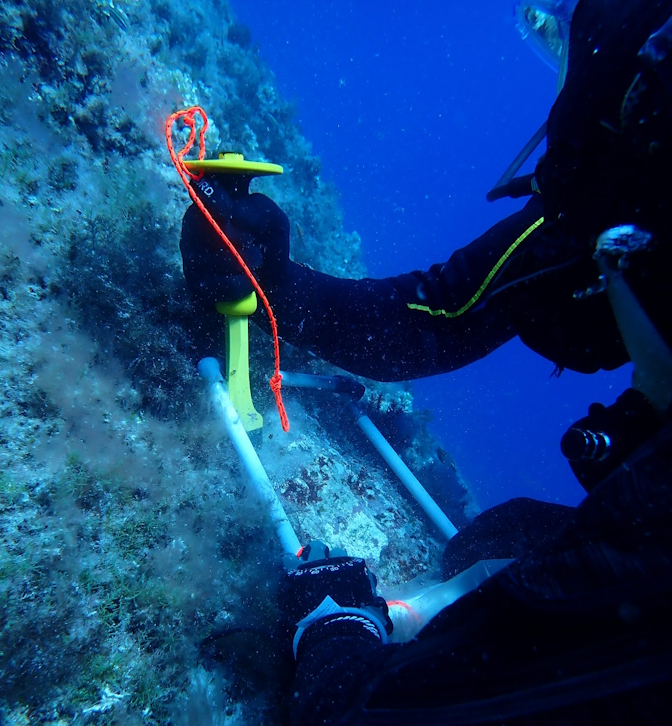
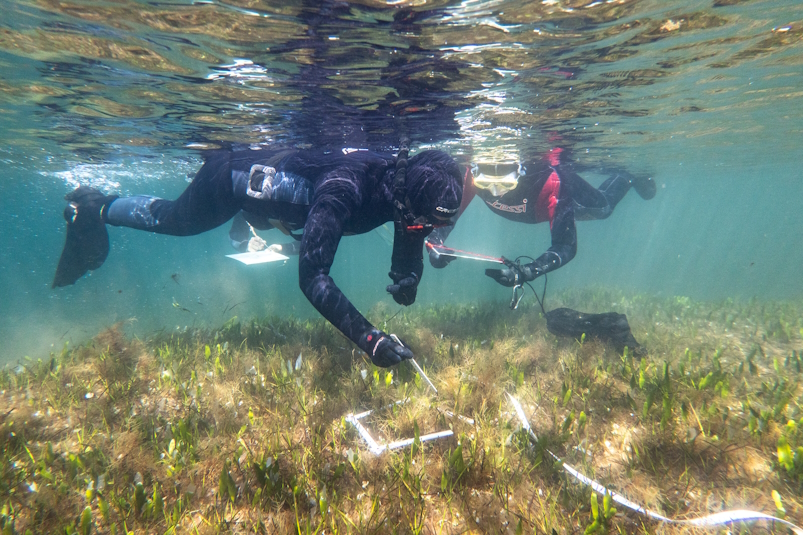
PEREMCAT is a pioneering initiative, promoted by the Generalitat de Catalunya, which aims to position Catalonia as a benchmark in the implementation of marine restoration

PEREMCAT is a pioneering initiative, promoted by the Generalitat de Catalunya, which aims to position Catalonia as a benchmark in the implementation of marine restoration

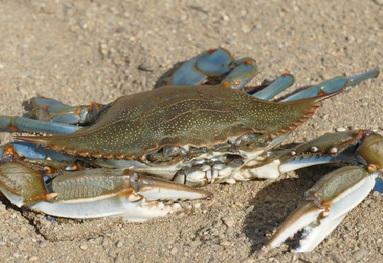
Cross-border project to detect and monitor non-indigenous marine species in Catalonia and Occitanie, enhancing scientific cooperation, citizen participation, and management of impacts on ecosystems and coastal economies.

It focuses on detailed taxonomic analysis and trophic-functional assessment of soft-bottom macrobenthos in various regions worldwide, with the aim of providing rigorous scientific advice to support the completion of environmental monitoring and impact management studies for projects.

This project is being developed within the framework of an ICOOP grant (a CSIC Scientific Cooperation Program for Development), which aims to stimulate collaboration between CSIC research groups and international research groups in countries receiving Official Development Assistance through training, work, and specialization stays for research groups from participating entities.

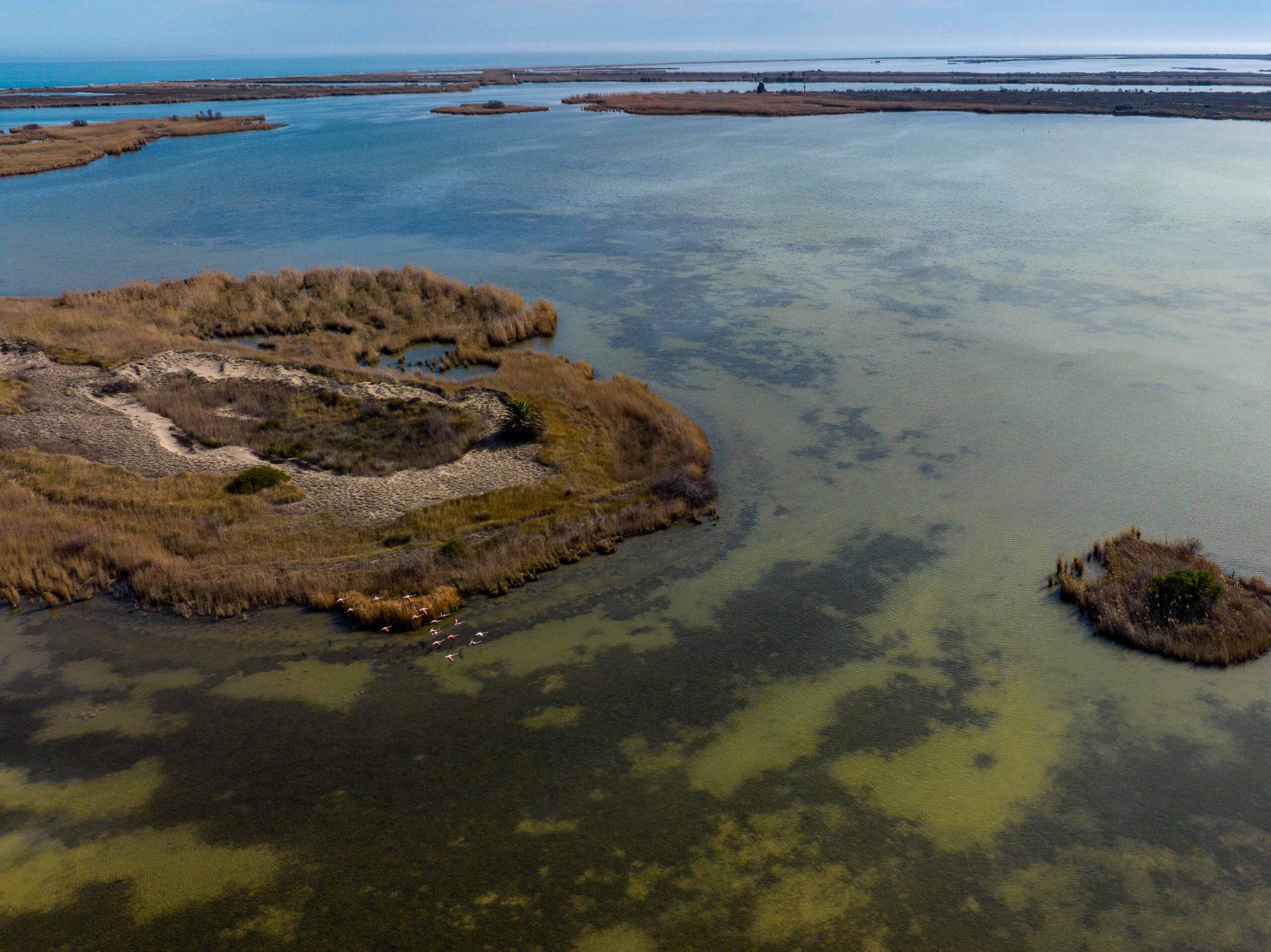
Given the recent detection of Perkinsus infecting mussels cultivated in the aquaculture area of the Ebro Delta and the lack of knowledge regarding its diversity, distribution, and ecology, this project aims to assess the epidemiological status of the disease Perkinsosis in the mussel aquaculture sector in Catalonia, in order to understand its potential impact.

A project that applies genetics to study biodiversity in marine ecosystems and detect invasive species.

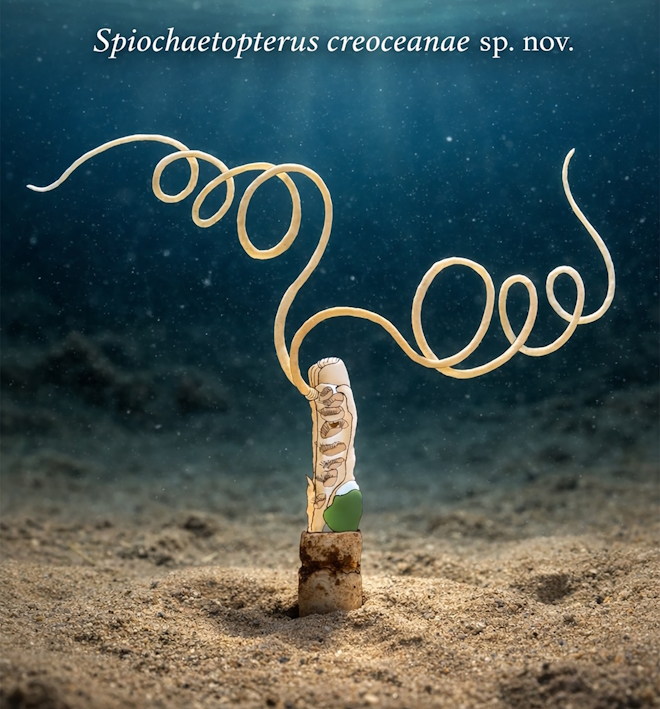
Monitoring of marine biodiversity using environmental DNA (eDNA) techniques, early detection of exotic species with invasive potential, and other genomic applications that can be used for marine biodiversity conservation.

Exploring Invisible Biodiversity in Pyrenean Lakes, Sentinels of Climate Change, Through High-Resolution Portable Genomics

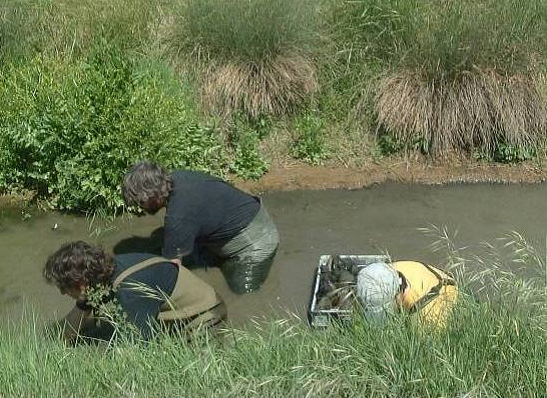
Naiads or large freshwater bivalves (Mollusca, Bivalvia, Unionoidea) are currently considered one of the most endangered animal groups on the planet. The NÀIADES project aims to generate the knowledge necessary to prepare the recovery plan for this group of animals in Catalonia.

Despite their remote location, high mountain aquatic spaces are subject to anthropogenic threats that put their conservation status at risk, such as the introduction of exotic species, overcrowding by tourists or hydraulic infrastructures.
C/ d’accés a la Cala St. Francesc, 14
Blanes – Girona – 17300 (ESPAÑA)
Phone: +34 972 336 101
E-mail: info@ceab.csic.es