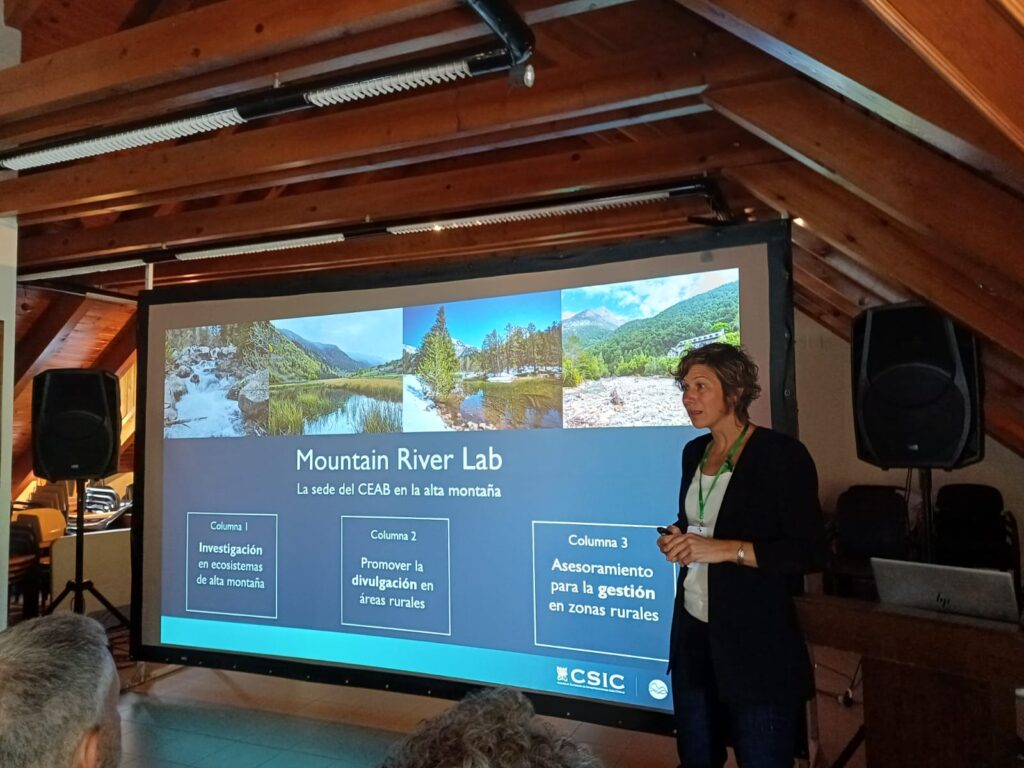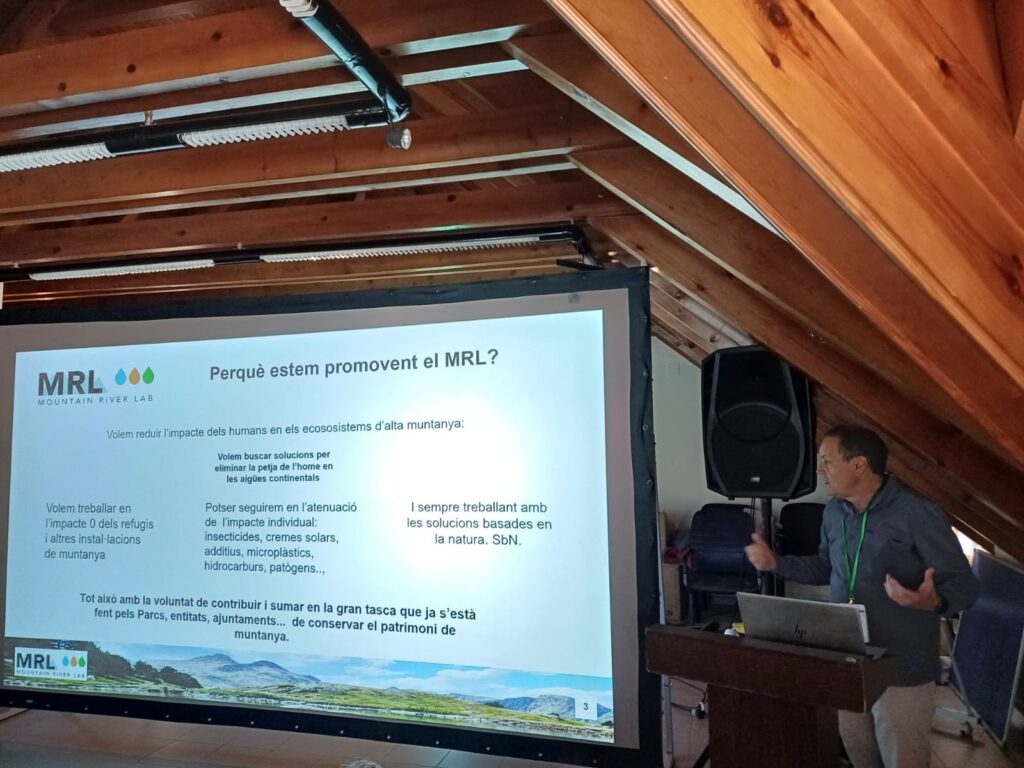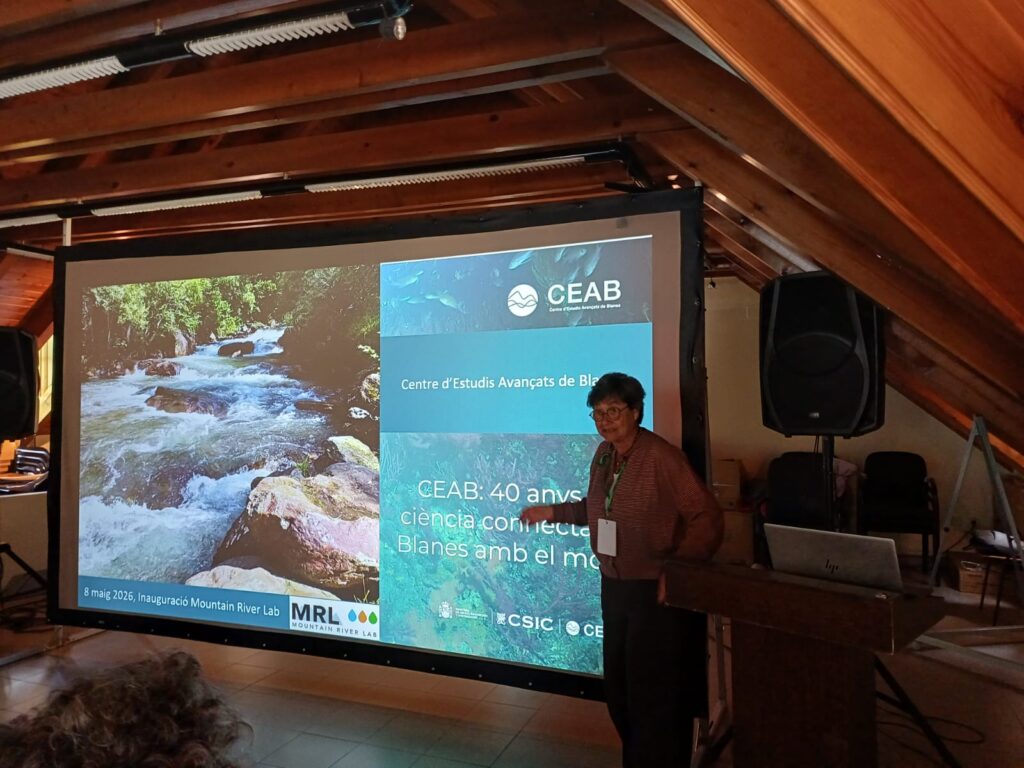
This Friday 8 May, the Vall de Boí Town Hall hosted the presentation of the Mountain River Lab, a pioneering scientific infrastructure aimed at developing and testing new wastewater treatment systems adapted to isolated high-mountain settlements.
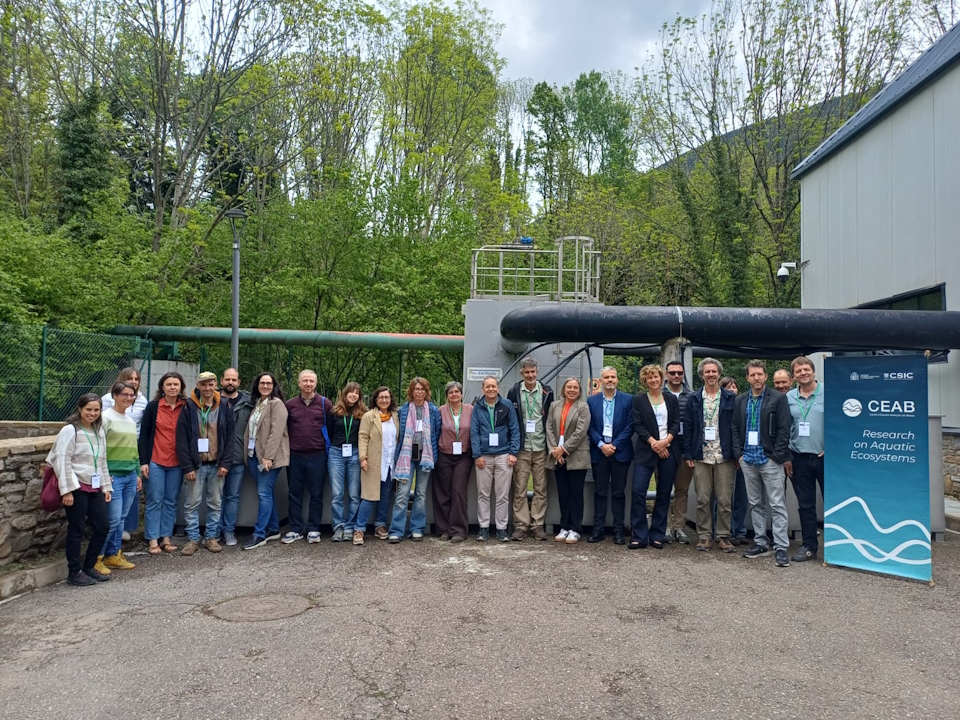
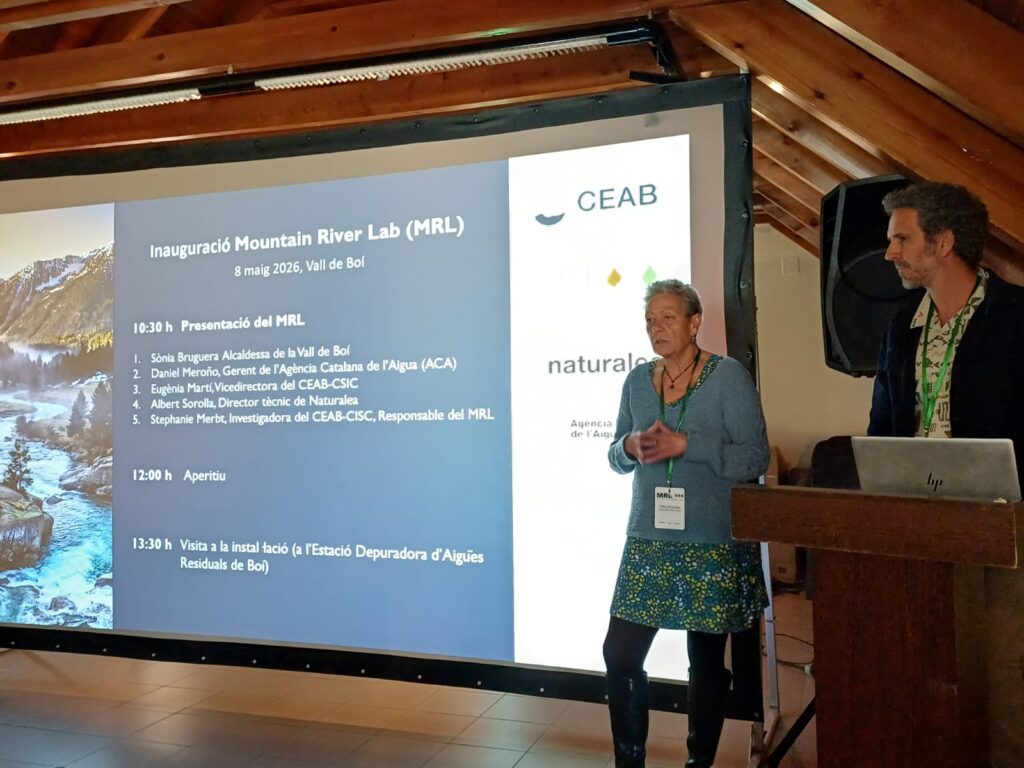
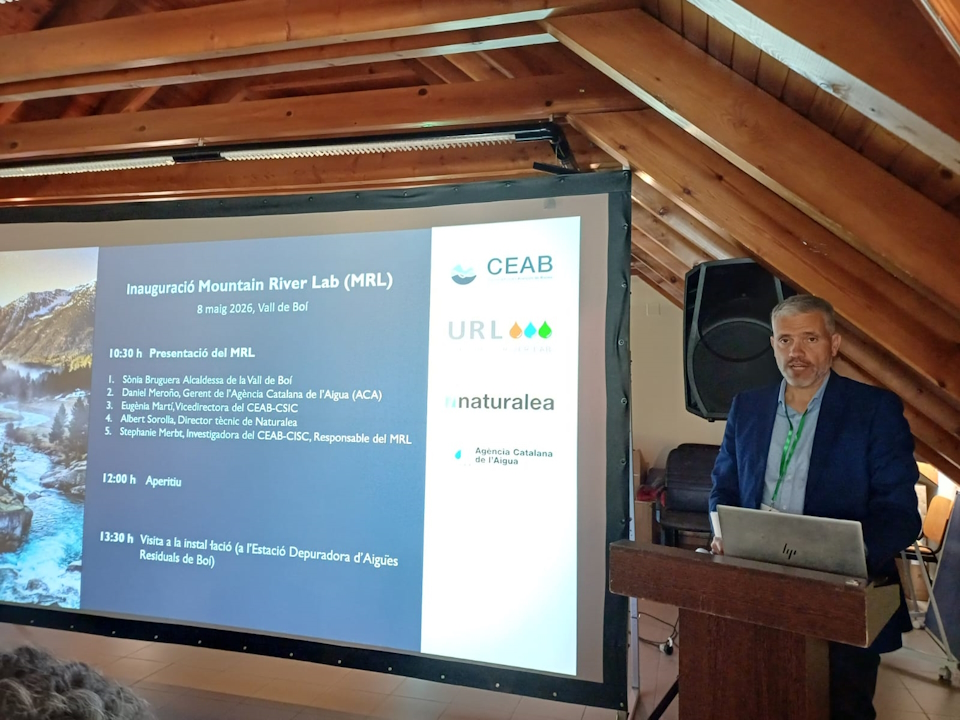
The event took place in the Assembly Hall of Vall de Boí) and brought together institutional representatives, researchers and local stakeholders. The programme included a presentation of the project and a visit to the experimental facility located at the Boí wastewater treatment plant.
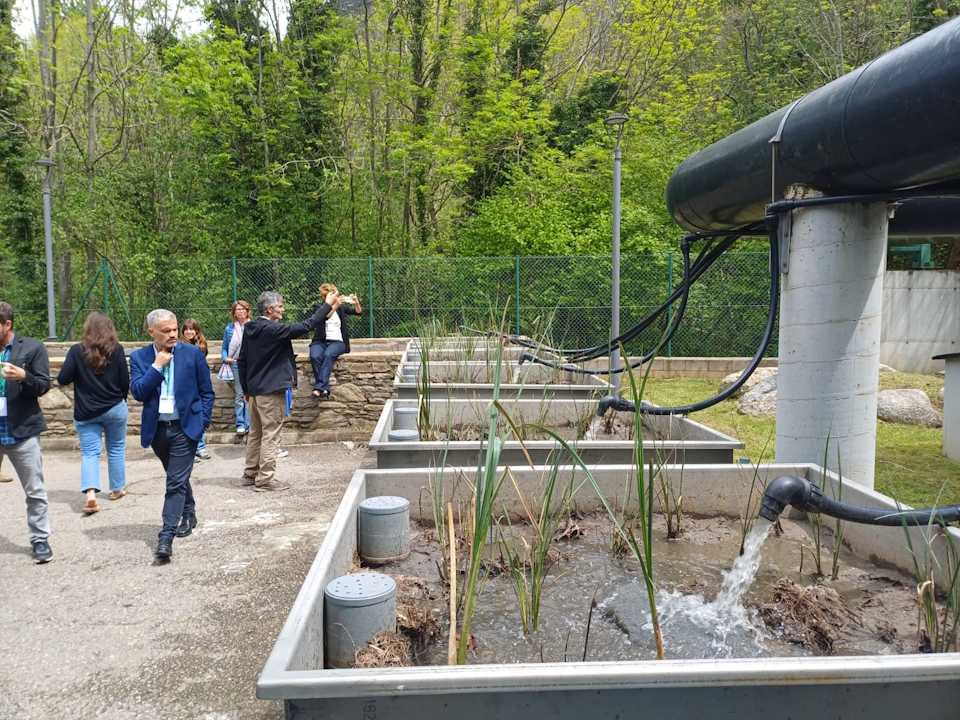
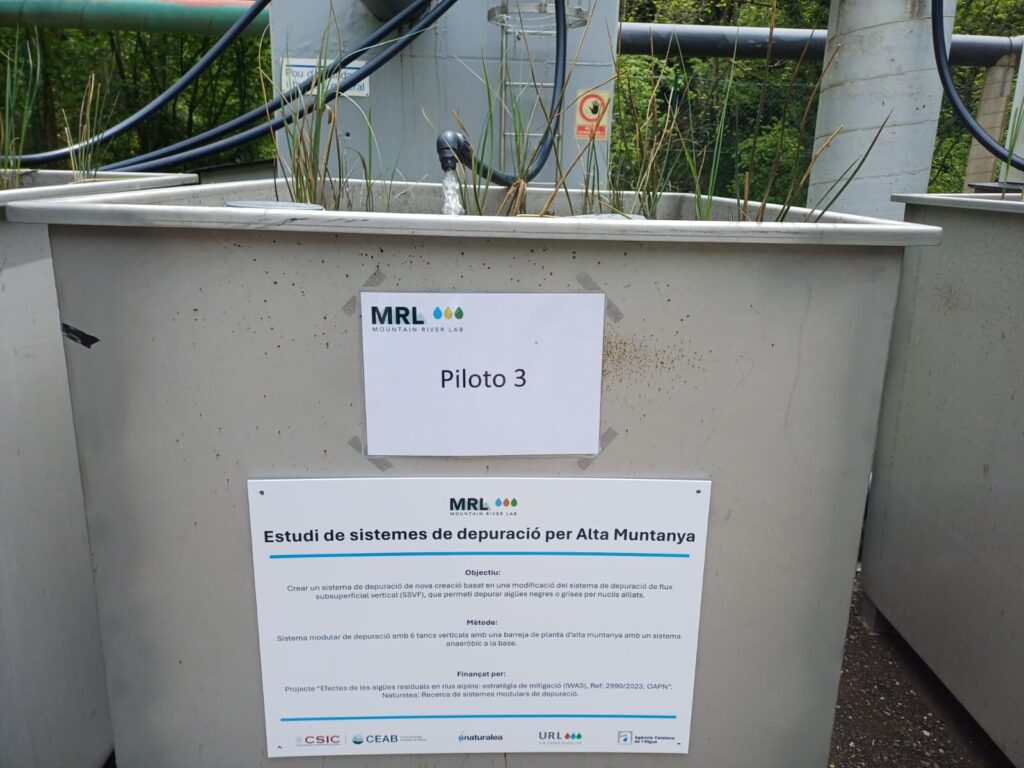
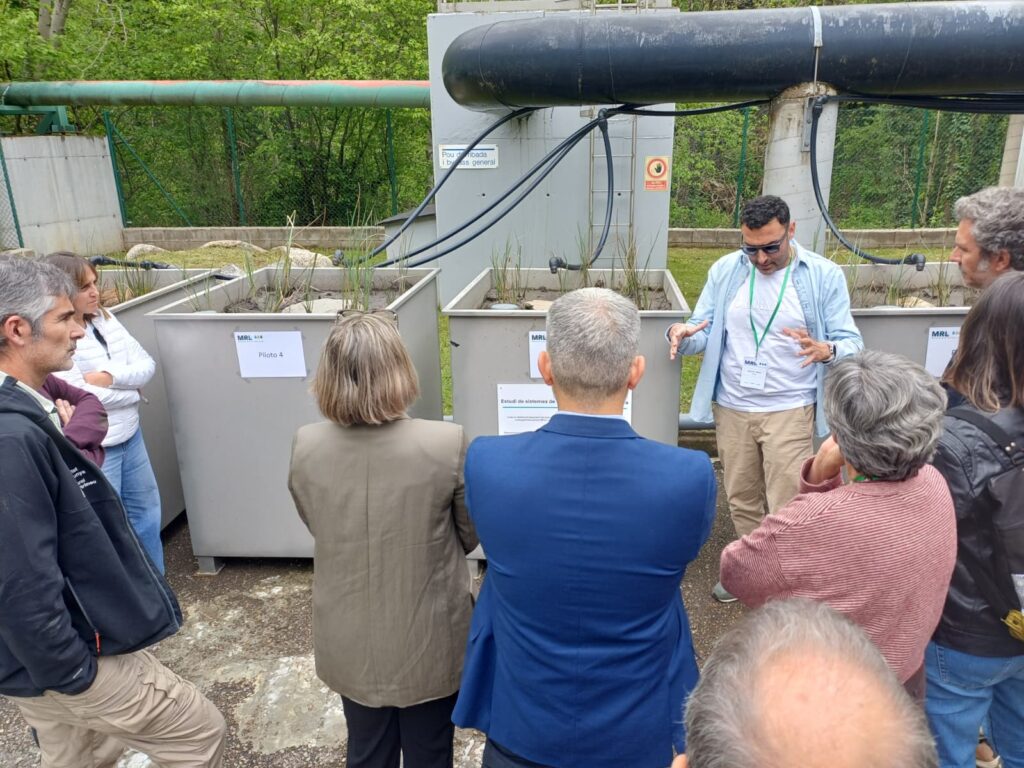
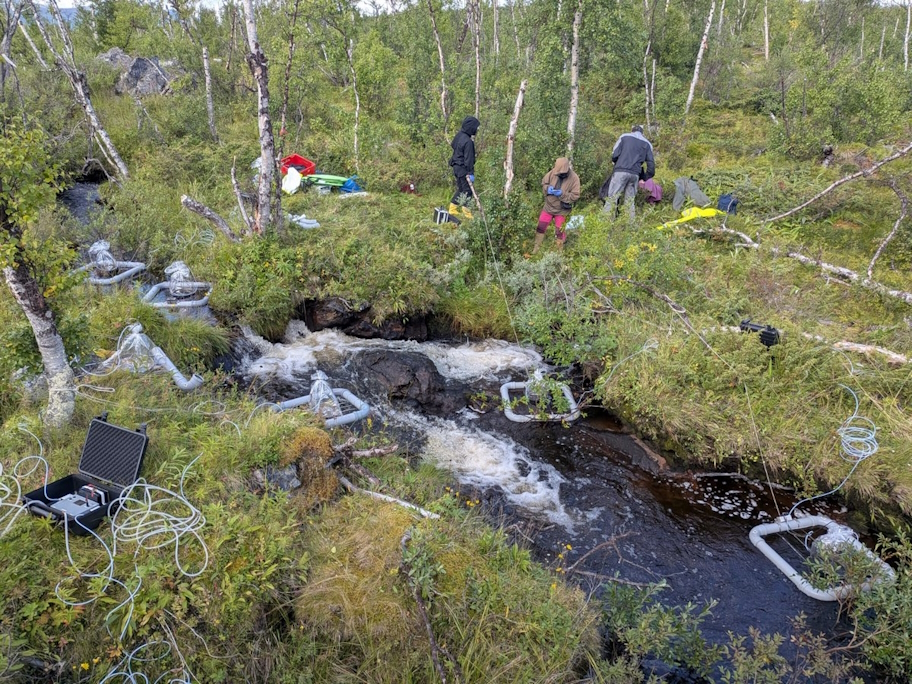
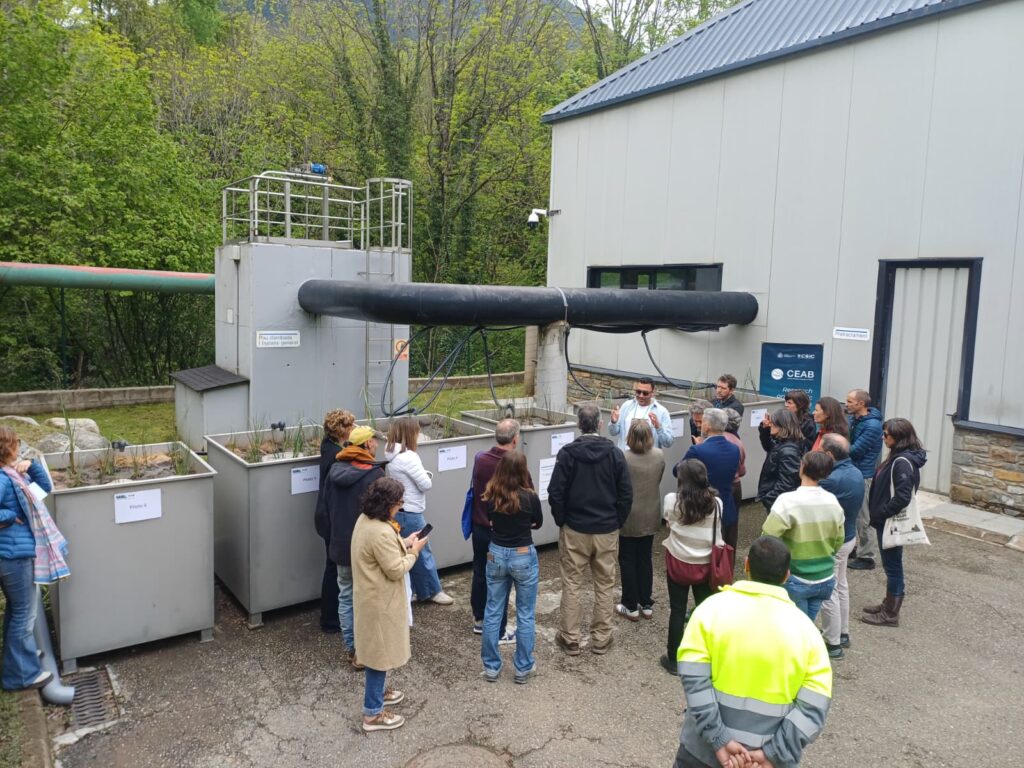
The installation consists of a series of artificial ponds that receive water before the conventional treatment process and operate as a full-scale experimental platform. Within these spaces, different combinations of sediments, native plants and microbial communities are tested in order to assess their natural capacity to retain nutrients and improve water quality.
The project makes it possible to test systems inspired by the functioning of natural aquatic ecosystems in order to identify the most efficient solutions for each high-mountain context. Based on these results, the Mountain River Lab team will develop and validate natural treatment systems — such as different types of constructed wetlands adapted to each issue and environment — primarily conceived as alternatives for settlements not connected to conventional treatment plants, including mountain refuges and small communities, in collaboration with public administrations and the private sector. The aim is to improve water quality before it is returned to rivers, according to the specific needs of each case.
The initiative is led by the Centre for Advanced Studies of Blanes (CEAB-CSIC), in collaboration with Naturalea, a company specialising in nature-based solutions, and with the support of the Catalan Water Agency, as well as local councils and organisations in the area.
“The research we carry out here allows us to understand how natural treatment processes function under real high-mountain conditions and to identify the best nature-based solutions for environments with highly specific characteristics, such as refuges, houses or isolated settlements not connected to sewage treatment networks,” explains Stephanie Merbt, principal investigator of the project. “We want to generate knowledge that can be directly applied in places where conventional solutions are too costly or simply not viable, in order to return water to rivers in the best possible condition and protect — and even improve — the state of these highly important ecosystems,” adds the CEAB-CSIC researcher.
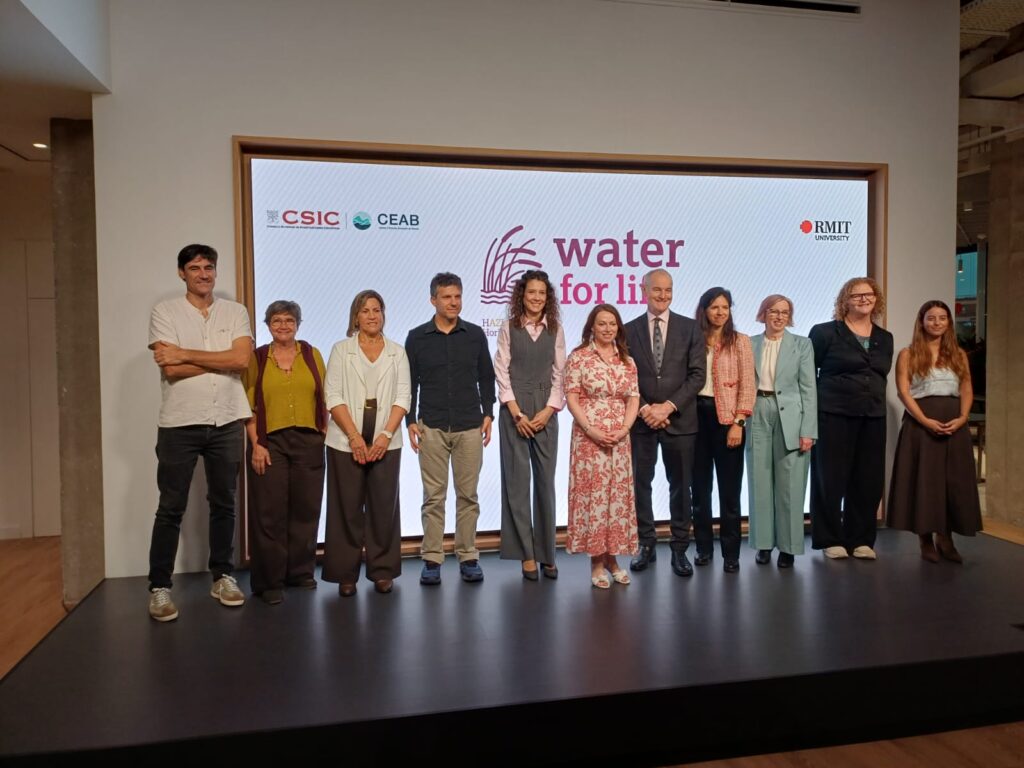
In this regard, Sònia Bruguera, Mayor of the Vall de Boí, Daniel Meroño, Manager of the Catalan Water Agency, and Albert Sorolla, Technical Director of Naturalea, who also took part in the event, all stressed the importance of collaboration between public administrations, scientific research centres and the private sector.
Visit to the new scientific infrastructure
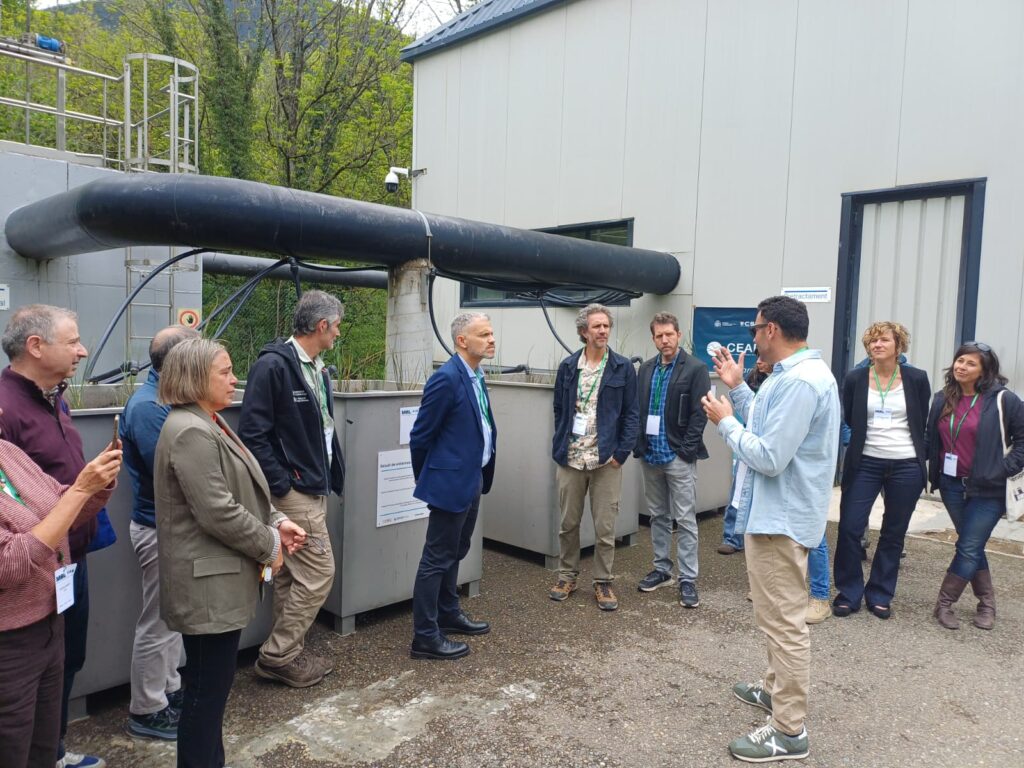
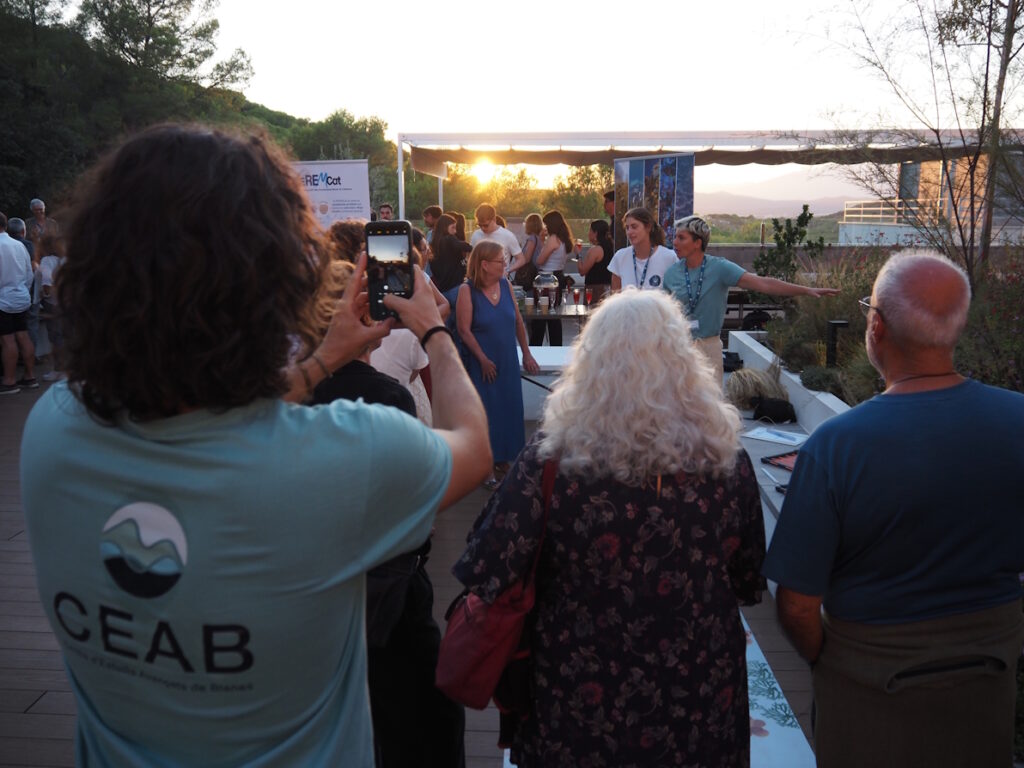
Following the speeches at Vall de Boí Town Hall, the core Mountain River Lab team — made up of Stephanie Merbt and Javier Santos — led a technical visit to the experimental installation, located alongside the conventional treatment circuit of the Boí wastewater treatment plant.
Attendees were able to learn first-hand about the operation of this new scientific infrastructure, as well as the studies currently being carried out there and those planned for the coming months.
A project closely linked to the Urban River Lab
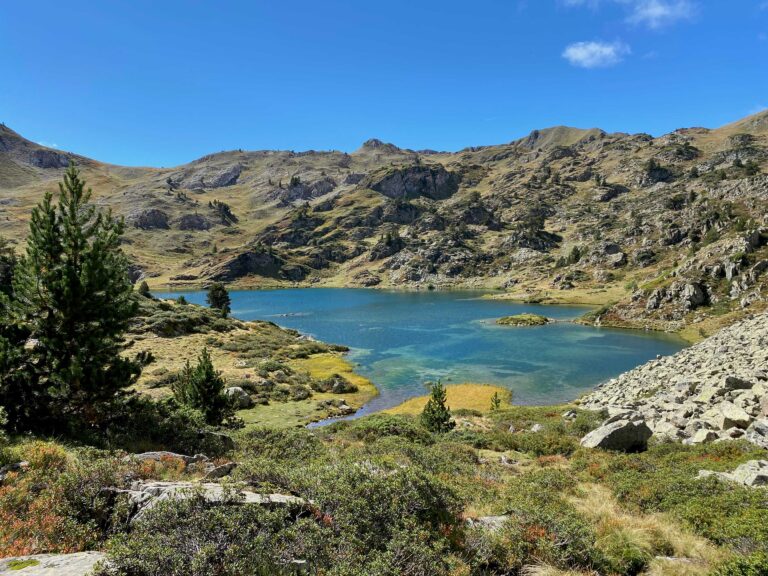
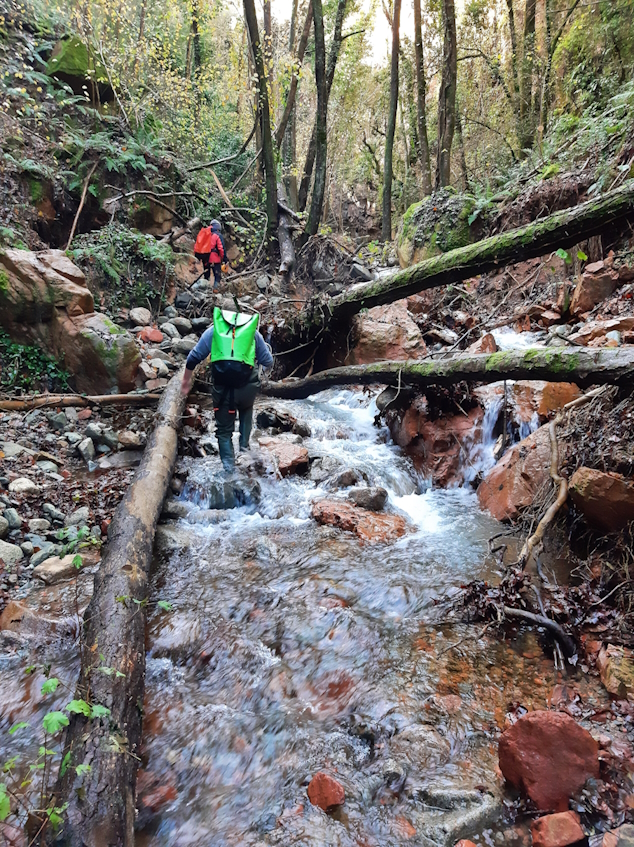
The Mountain River Lab (MRL) maintains a close relationship with the Urban River Lab (URL), a well-established research infrastructure located in the Vallès region and likewise focused on improving wastewater treatment processes and water quality, although in this case in urban rivers. Whereas the URL studies solutions in densely populated settings, the new Pyrenean laboratory focuses on high-mountain environments with smaller populations, highly specific dynamics and particular vulnerability, given that these are relatively undisturbed ecosystems.
In this context, CEAB-CSIC researcher and scientific coordinator of the URL, Eugènia Martí, highlighted that these infrastructures help generate scientific knowledge applicable to real-world situations and advance the development of nature-based solutions to progressively improve the quality of water returned to aquatic ecosystems, thereby helping to preserve them and, in many cases, restore them.
The initiative seeks to advance innovative solutions to improve the quality of water returned to high-mountain rivers, in areas where factors such as climatic conditions, dispersed settlements and sharp seasonal fluctuations in population density mean that wastewater management presents very different characteristics from those found in urban environments and therefore requires specific solutions. In this regard, the MRL will make it possible to test and develop systems inspired by natural purification processes adapted to these contexts.