We live in the “plastic age”. Plastics are key to innovation and are used on a daily basis. However, due to their persistence, handling, and improper disposal, plastics tend to accumulate in the environment. Besides, during their life cycle, they degrade into different sizes and the tiny ones, called microplastics (less than 5mm), are considered a major environmental threat. Faced with this problem, other materials have been developed, biodegradable plastics or bioplastics. These materials are biodegradable at the end of their life and/or produced from renewable sources. Thus, bioplastics have become an alternative since they can degrade into water and carbon dioxide under certain environmental conditions. But, are these materials really a good alternative? What effect can we expect in the environment, especially in the aquatic environment, due to its greater use?
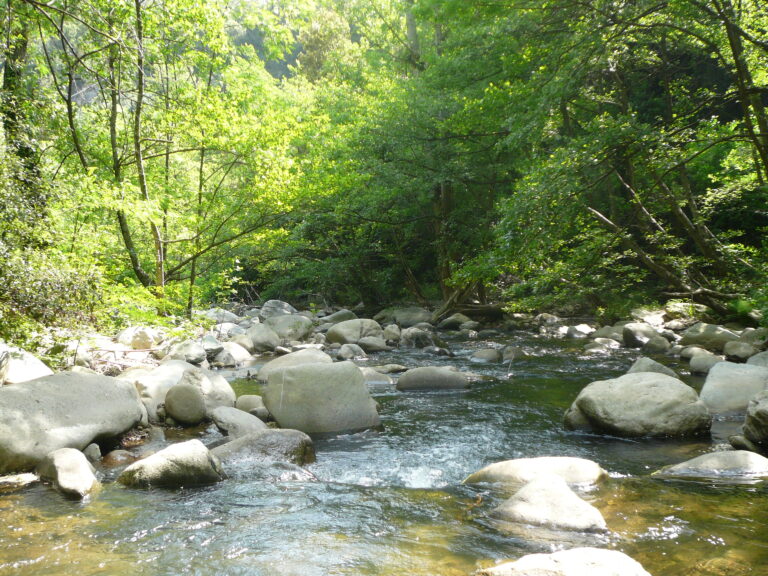
In fluvial ecosystems, there are inherent microbial communities that could potentially decompose bioplastics due to their great capacity for recycling and decomposition of nutrients such as carbon. However, it is still unknown how the degradation of bioplastics will affect the carbon and nutrient cycles in aquatic ecosystems and, consequently, the effects it will have on essential ecological services, such as the water purification carried out by these microbial communities.
In addition, global change, especially the increase in temperature and the increasingly repeated episodes of extreme hydrological events such as floods and prolonged drought, mobilize plastics in freshwater ecosystems and further degrade them into microplastics. Therefore, there is an urgent need to study and develop tools to assess, predict and mitigate the effects of bioplastics and their effects on river ecosystems and water quality today and in the future.
BioPlastEffect project seeks to explore and provide new knowledge on bioplastics effects and descomposition on freshwater ecosystems under current and future global change conditions. The results of the project will have an impact beyond the scientific environment, providing new and relevant information for the production and regulation of these materials, making them really a real alternative to conventional plastics.