Isabel Casas Roqueta
Hello! I am a research technician specialist, adjunct university professor, and scientific illustrator. I hold a PhD in cell biology, where I focused on the

Hello! I am a research technician specialist, adjunct university professor, and scientific illustrator. I hold a PhD in cell biology, where I focused on the

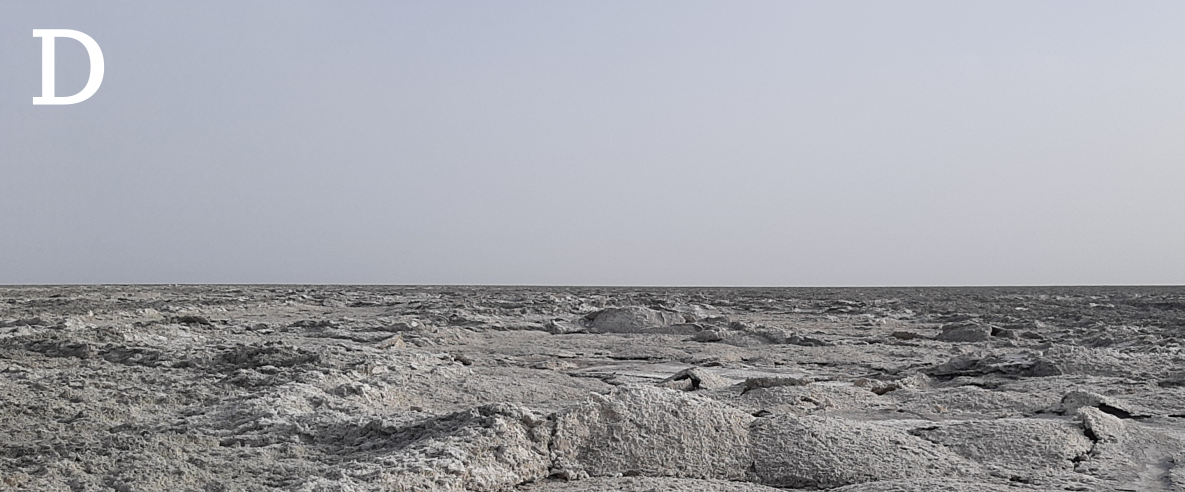
DryingLake addresses the problem of inland water desiccation, which is increasingly affecting ecosystems worldwide due to both climate change and the diversion of water for irrigation.

By studying the relationship between rivers, aquifers, and terrestrial environments, ENEO3 examines how natural self-purification processes can help improve water quality. The project focuses on denitrification, a key biogeochemical process that converts nitrates into nitrogen gas, thereby reducing water pollution caused by excess nitrogen.

My research focuses on monitoring biodiversity in high mountain lakes using genetic techniques, particularly the analysis of environmental DNA (eDNA) present in water. In parallel,

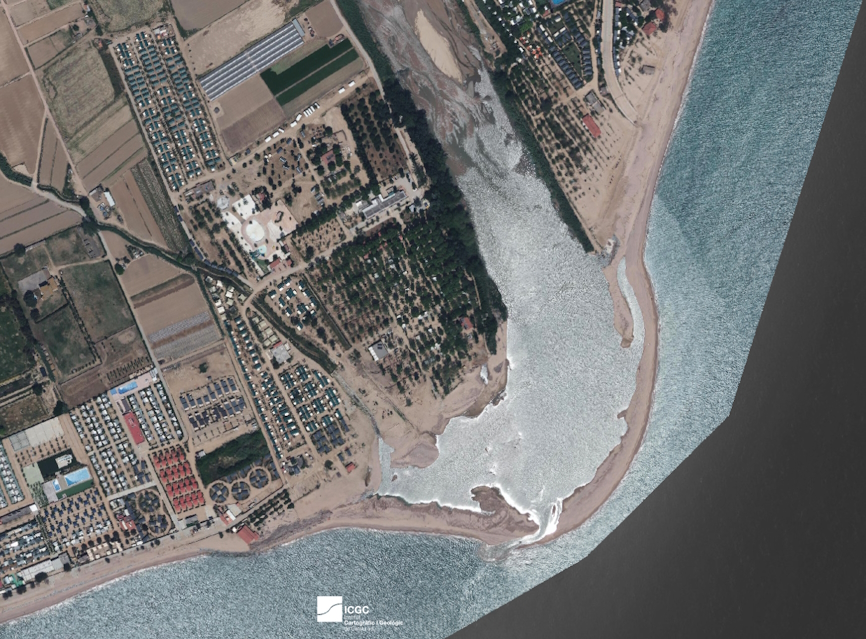
The main objective of this research project is to co-develop digital twins for predicting water quantity and quality in the Ter and Tordera basins, including catchments, reservoirs and coastal areas, contributing to efficient water resource management, protecting ecosystems and maximising water security in a climate change context.

The project aims to design nature-based wastewater treatment solutions specifically adapted to high-mountain conditions.

BREATHE develops a global, sensor-based system to monitor river health through dissolved oxygen and river metabolism, linking ecosystem functions to services such as climate regulation and water purification.

Aquatic non-native species are spreading globally due to human activity, yet little is known about how these invasions occur and evolve. This pioneering project uses environmental DNA (eDNA) to study the phases of biological invasion in various aquatic ecosystems, aiming to better understand these processes and provide tools to tackle the biodiversity crisis.

The esGLEON project promotes Spain’s involvement in the global scientific network GLEON to study and mitigate the effects of climate change on lakes and reservoirs, by coordinating research teams, strengthening international leadership, and supporting sustainable water management policies.

Hello! My name is David, and I am a PhD student at CEAB-CSIC within the framework of the European project Pharm-ERA. My current research addresses
C/ d’accés a la Cala St. Francesc, 14
Blanes – Girona – 17300 (ESPAÑA)
Phone: +34 972 336 101
E-mail: info@ceab.csic.es