Strategic Plan for the Restoration of Marine Ecosystems in Catalonia
PEREMCAT is a pioneering initiative, promoted by the Generalitat de Catalunya, which aims to position Catalonia as a benchmark in the implementation of marine restoration

PEREMCAT is a pioneering initiative, promoted by the Generalitat de Catalunya, which aims to position Catalonia as a benchmark in the implementation of marine restoration

By combining satellite images, remote sensors, and field data, the project will provide effective tools to help managers and policymakers monitor and assess coastal carbon ecosystems and integrate blue carbon into national climate inventories and policies.

The Network’s main objective is to foster collaboration between national and international research groups to advise society and authorities on the key role of BCEs.

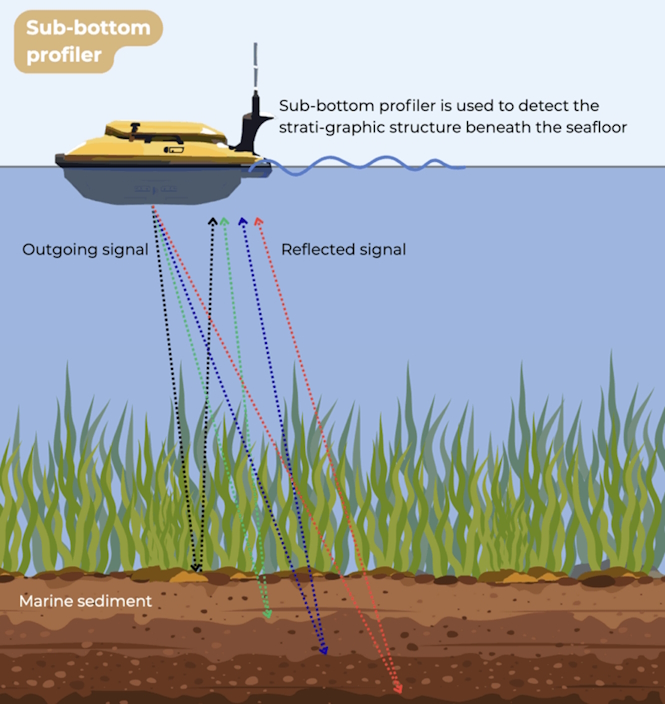
It proposes to develop an innovative and non-destructive method to quantify carbon stocks. This method will use advanced technologies such as geoacoustics, autonomous vehicles, drones, satellite imagery and artificial intelligence, also allowing the exploration of “hidden” carbon deposits under layers of sediment, which have so far been ignored.

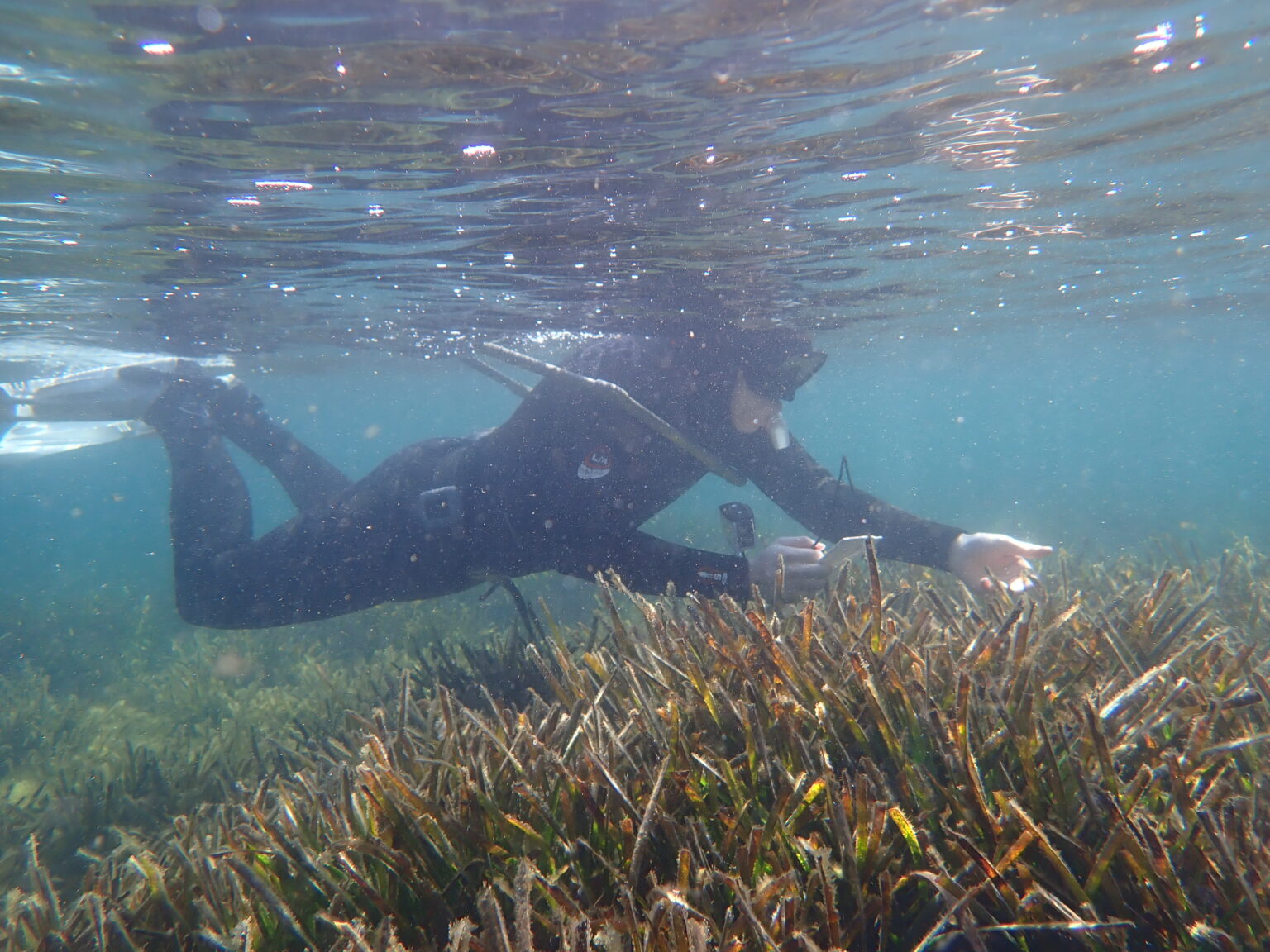
The BlauCat project aims to assess the current status of blue carbon in Catalonia’s coastal ecosystems and contribute to the development of an action plan for their conservation and restoration, as a tool to support public policies for climate change mitigation and adaptation. The project will generate a homogeneous and georeferenced database on blue carbon stocks and fluxes at the regional scale, as well as an analysis of the restoration potential of these ecosystems.

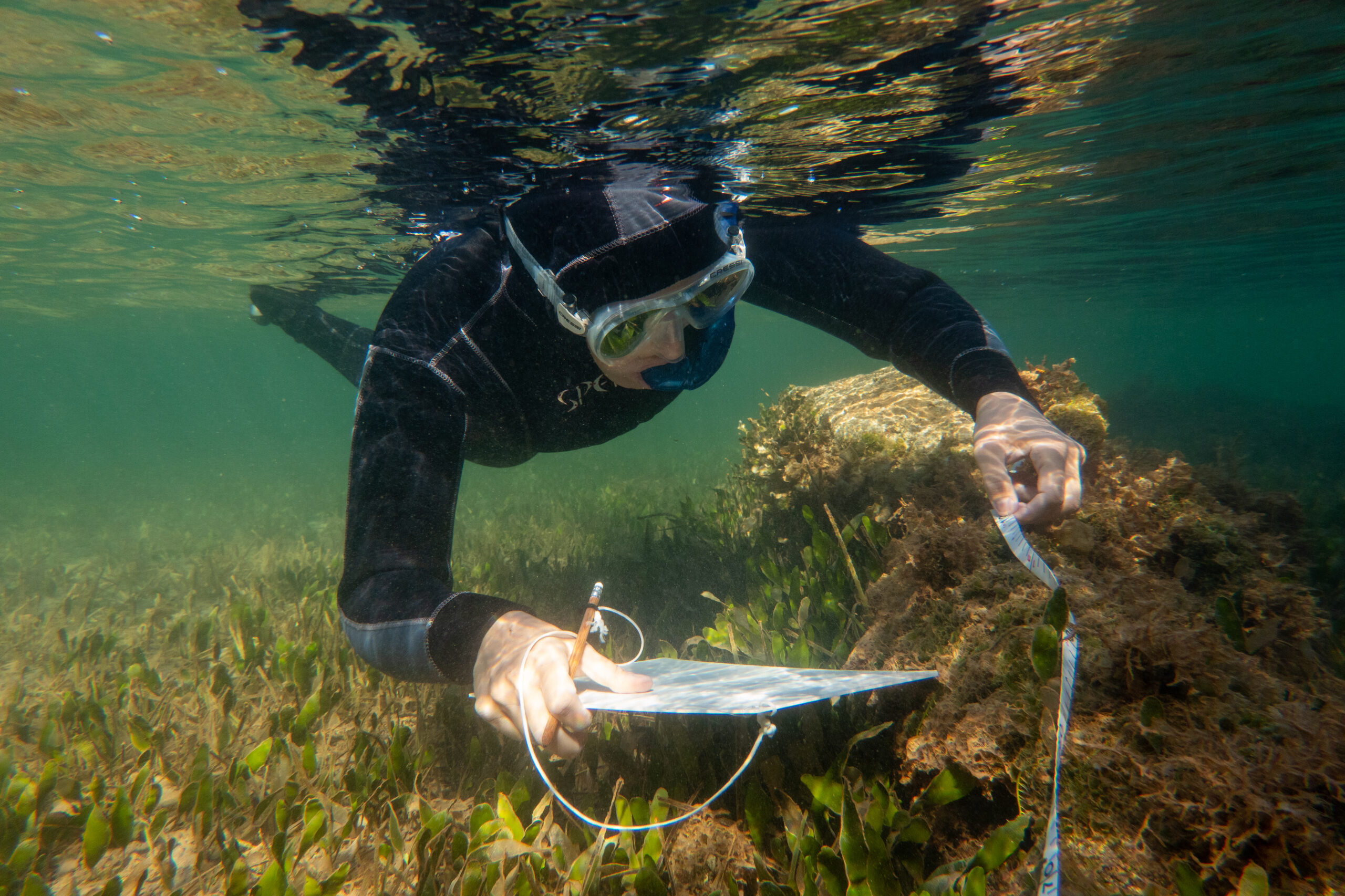
The development of effective strategies for the conservation of Cystoseira residual forests based on new tools to monitor them is of fundamental importance today. This project has been designed to provide these tools and assist environmental policy makers in the management of Cystoseira forests.

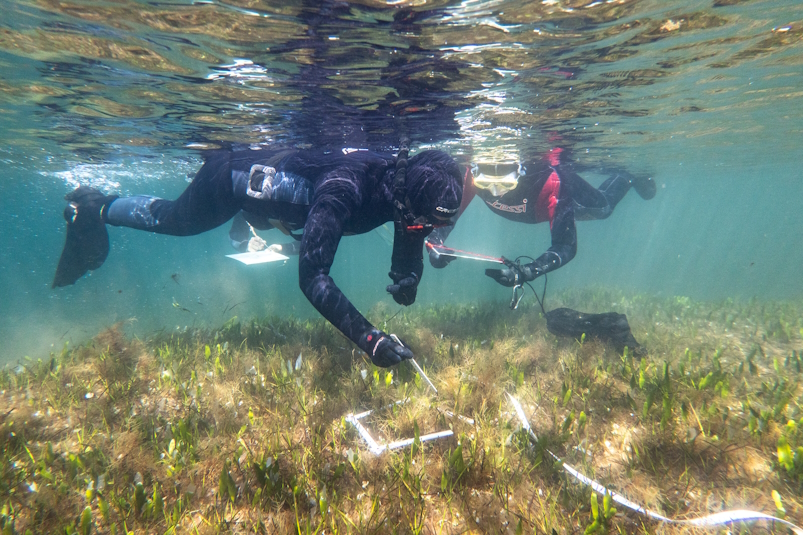
Change in ecosystems occurs over multiple temporal and spatial scales. Discriminating between actual changes, cycles and trends is often difficult or impossible without an adequate temporal perspective, since multiple processes interact at multiple temporal and spatial scales.

MEDCHANGE will use long, detailed and reliable data of relevant structural and functional variables of ecosystems to reconstruct the dynamics of coastal and terrestrial ecosystems, at a Mediterranean scale, when interacting with natural and anthropogenic disturbances.

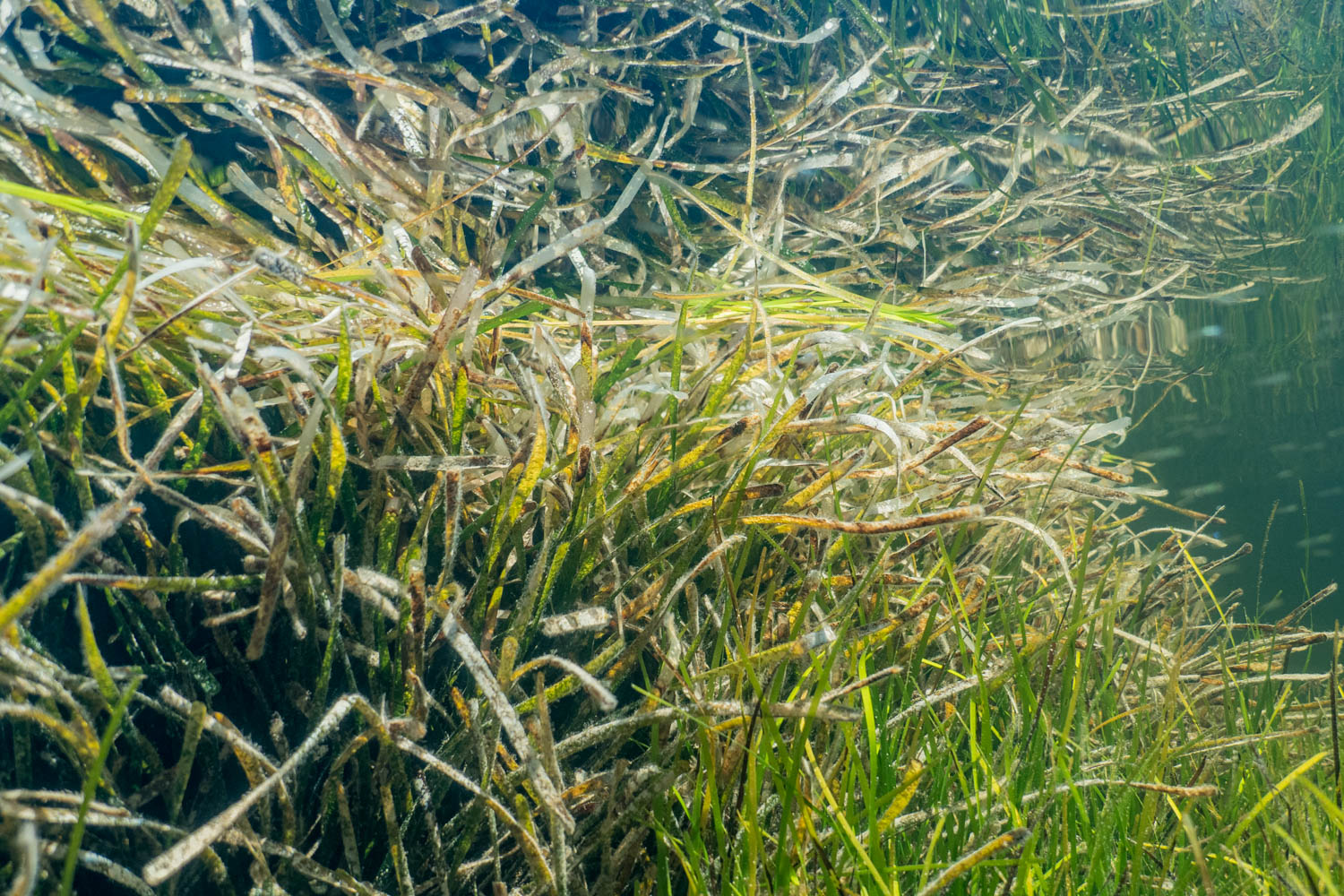
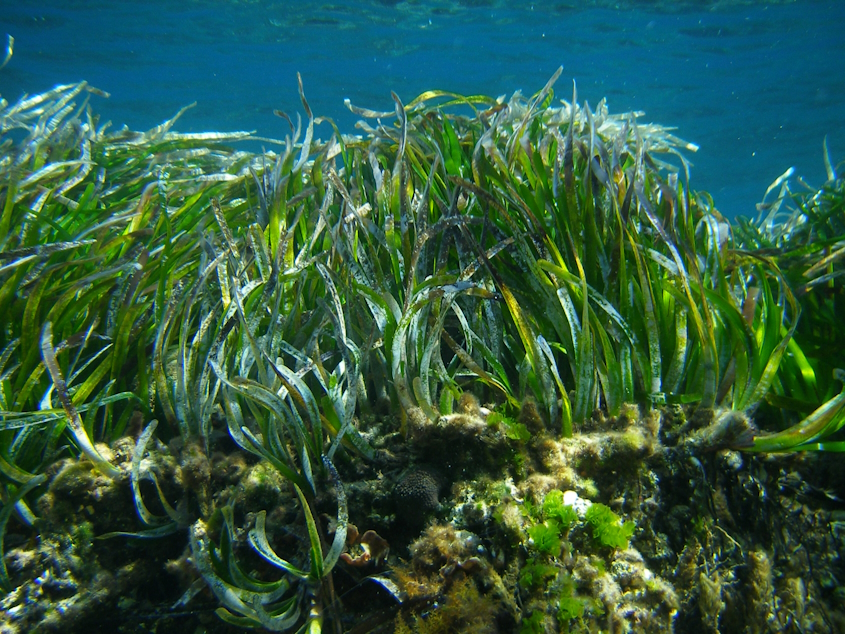
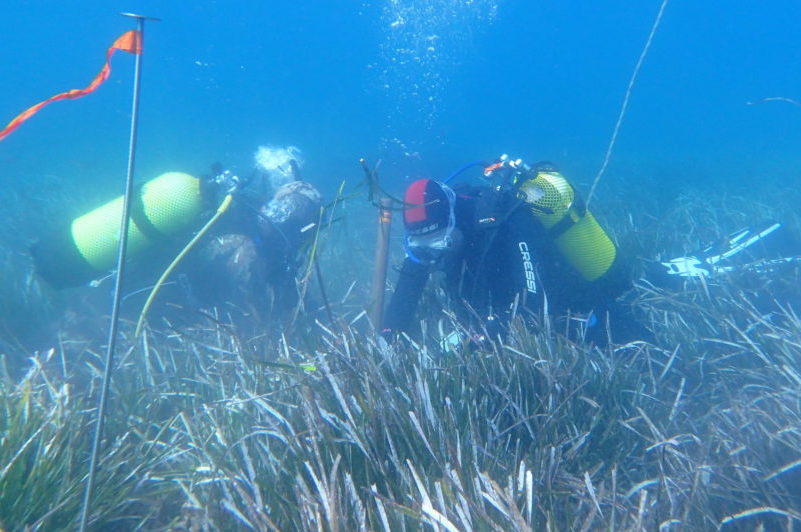
Per dotar els robots submarins de més autonomia i capacitats, aquest projecte busca millorar i potenciar les seves capacitats cognitives i intel·ligents durant l’exploració del fons marí. SIREC treballarà en primer lloc el mapeig de praderies marines de Posidonia oceànica, un component important dels ecosistemes vinculats al segrest de carboni i, per tant, de gran impacte ambiental i social.

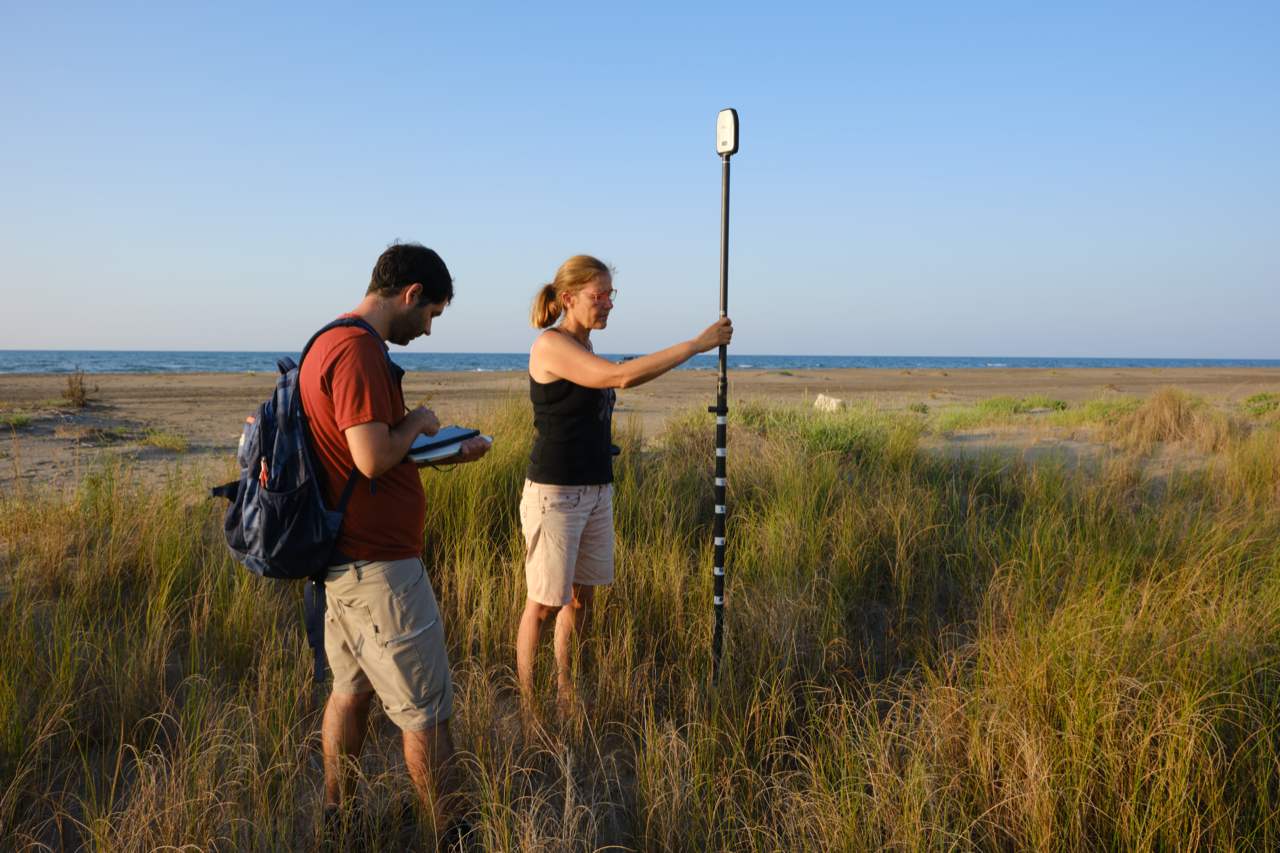
The project, with an explicitly interdisciplinary vocation, seeks, first of all, to document the role of storms as agents of change for Mediterranean coastal vegetation, both emerged and submerged (underwater meadows, marsh vegetation and dunes).
C/ d’accés a la Cala St. Francesc, 14
Blanes – Girona – 17300 (ESPAÑA)
Phone: +34 972 336 101
E-mail: info@ceab.csic.es