BlauCat-Current Status and Action Plan for Blue Carbon in Catalonia
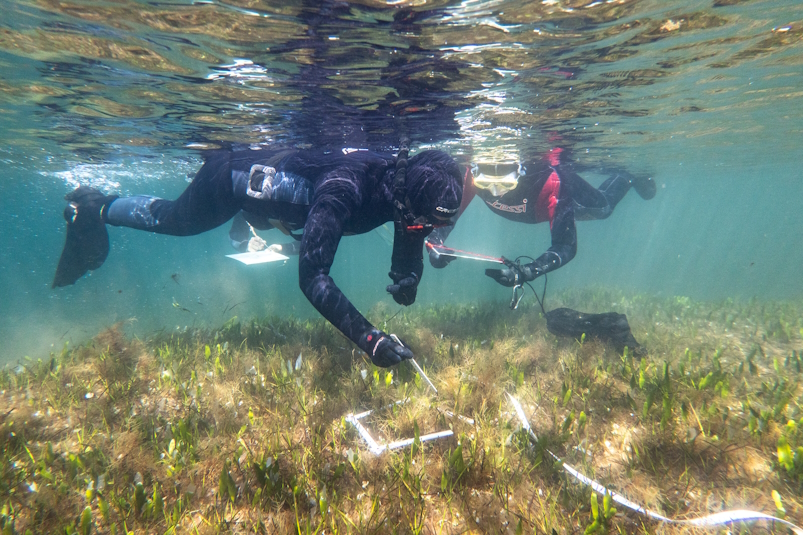
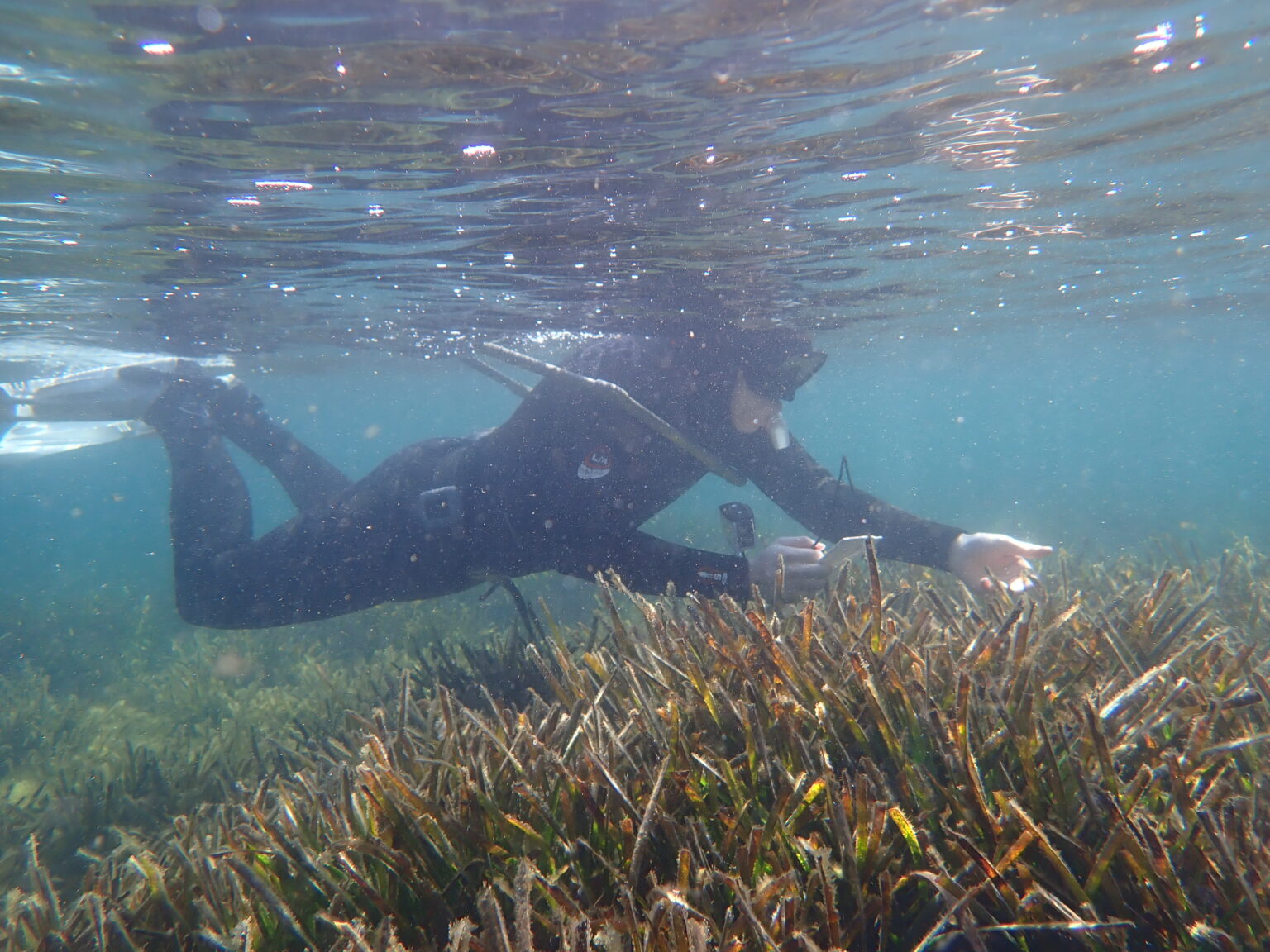
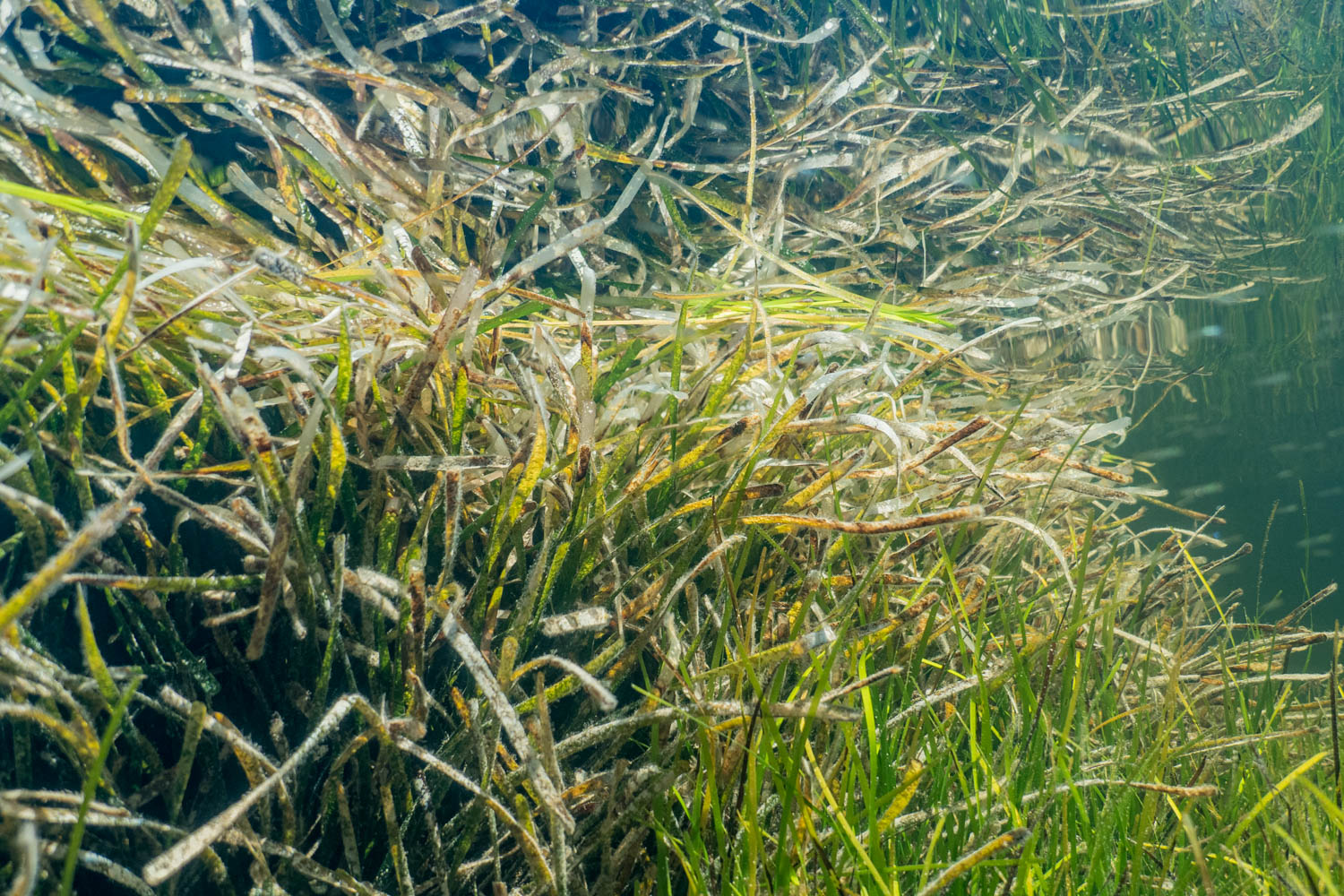
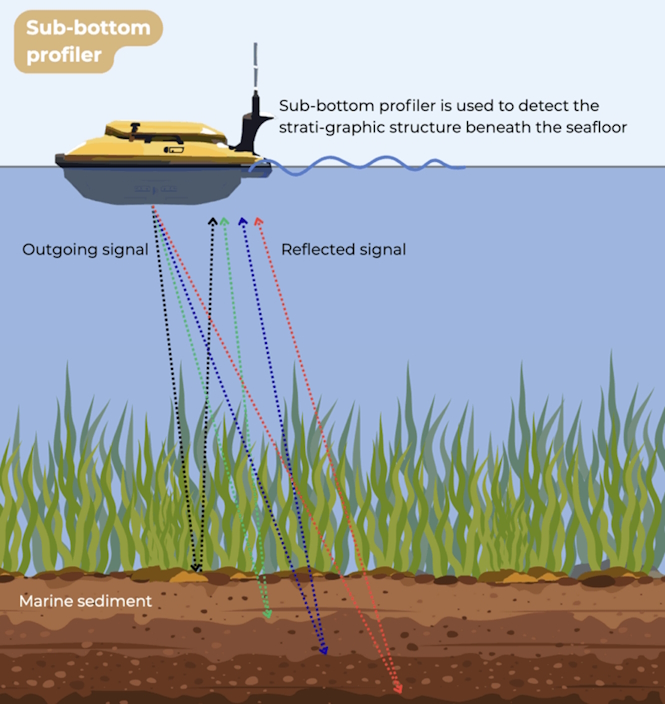
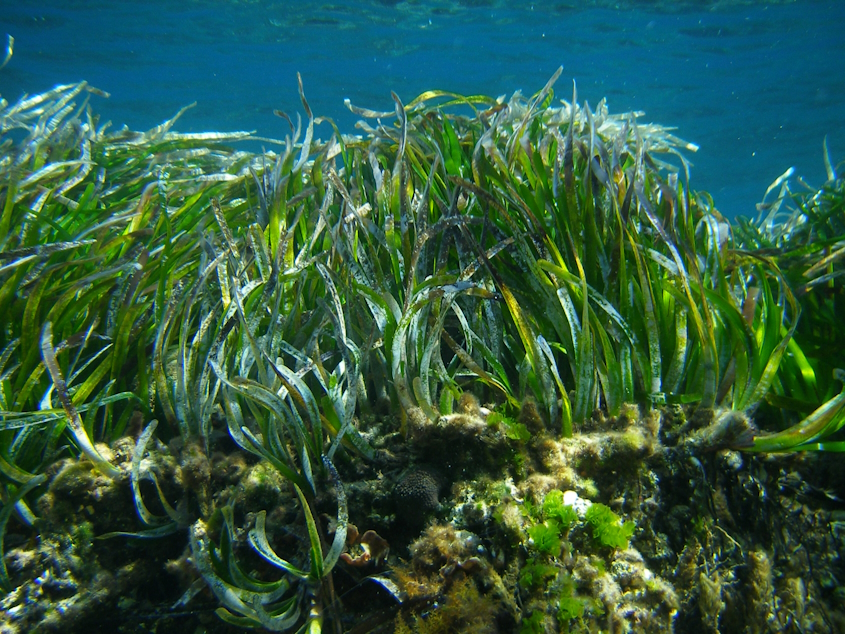
Coastal ecosystems, such as wetlands and seagrass meadows, play a key role in climate change mitigation thanks to their high capacity for carbon sequestration and

Coastal ecosystems, such as wetlands and seagrass meadows, play a key role in climate change mitigation thanks to their high capacity for carbon sequestration and

The main objective of this research project is to co-develop digital twins for predicting water quantity and quality in the Ter and Tordera basins, including catchments, reservoirs and coastal areas, contributing to efficient water resource management, protecting ecosystems and maximising water security in a climate change context.

This project is being developed within the framework of an ICOOP grant (a CSIC Scientific Cooperation Program for Development), which aims to stimulate collaboration between CSIC research groups and international research groups in countries receiving Official Development Assistance through training, work, and specialization stays for research groups from participating entities.

The esGLEON project promotes Spain’s involvement in the global scientific network GLEON to study and mitigate the effects of climate change on lakes and reservoirs, by coordinating research teams, strengthening international leadership, and supporting sustainable water management policies.

The new Blue Carbon Ecosystems Research Network in Spain brings together experts from across the country to promote the conservation of saltmarshes and seagrass meadows. Its goal is to generate knowledge, advise authorities, and foster policies and projects that harness the potential of BCEs to fight climate change and support sustainability.

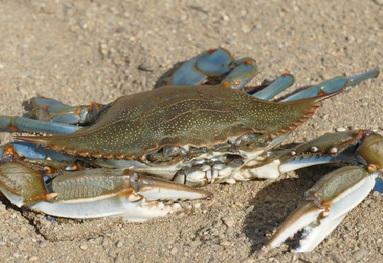
A project that applies genetics to study biodiversity in marine ecosystems and detect invasive species.

Monitoring of marine biodiversity using environmental DNA (eDNA) techniques, early detection of exotic species with invasive potential, and other genomic applications that can be used for marine biodiversity conservation.

Exploring Invisible Biodiversity in Pyrenean Lakes, Sentinels of Climate Change, Through High-Resolution Portable Genomics

This project by CREAF-CSIC, with the direct participation of researchers from CEAB-CSIC, aims to study cyanobacteria in high-mountain lakes and their environmental impact due to the recent increase in these organisms.

Headwater basins provide water supply, greenhouse gas regulation, and other essential ecosystem services. However, human activities have altered its functioning. This research project investigates how factors of anthropogenic origin alter the dynamics of headwater basins, especially their role in climate regulation.
C/ d’accés a la Cala St. Francesc, 14
Blanes – Girona – 17300 (ESPAÑA)
Phone: +34 972 336 101
E-mail: info@ceab.csic.es