Strategic Plan for the Restoration of Marine Ecosystems in Catalonia
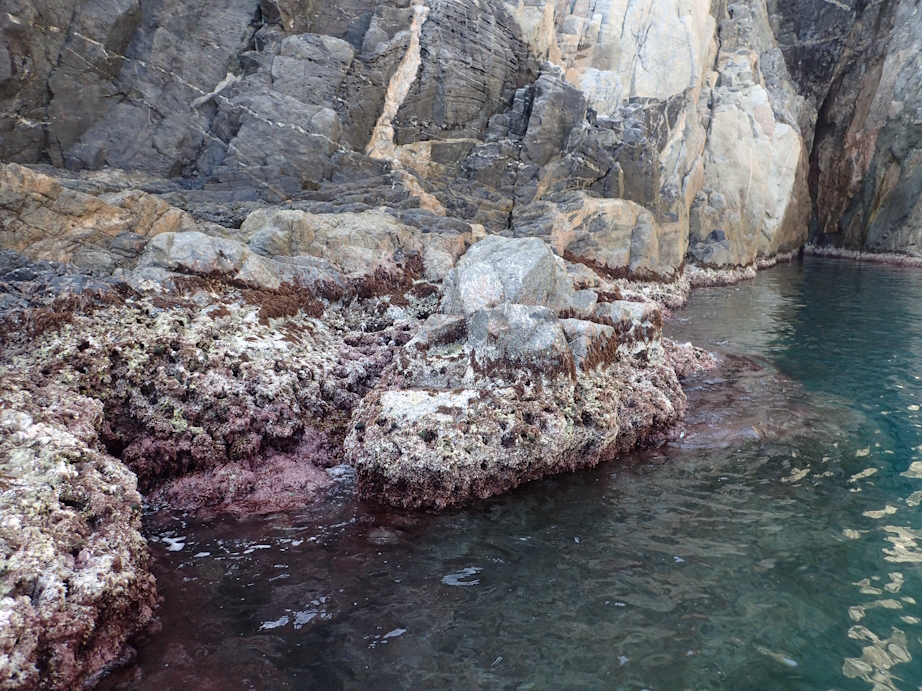
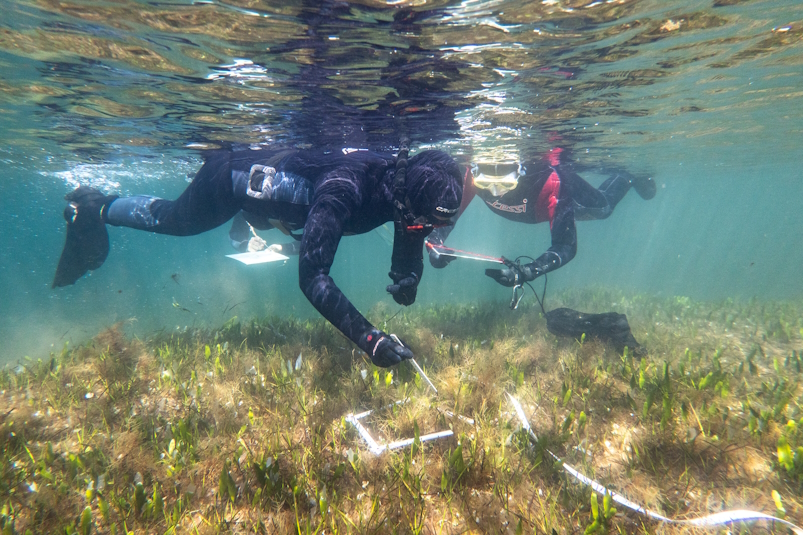
PEREMCAT is a pioneering initiative, promoted by the Generalitat de Catalunya, which aims to position Catalonia as a benchmark in the implementation of marine restoration

PEREMCAT is a pioneering initiative, promoted by the Generalitat de Catalunya, which aims to position Catalonia as a benchmark in the implementation of marine restoration

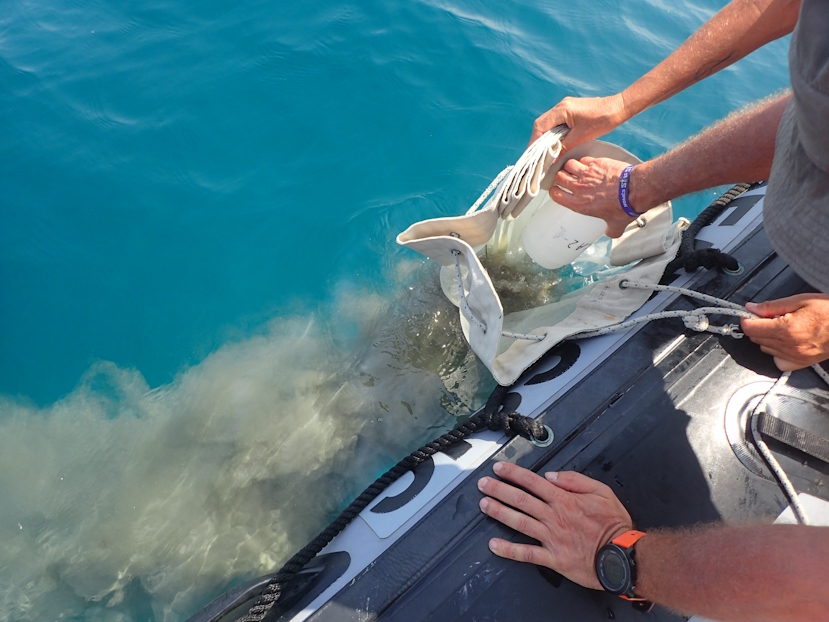
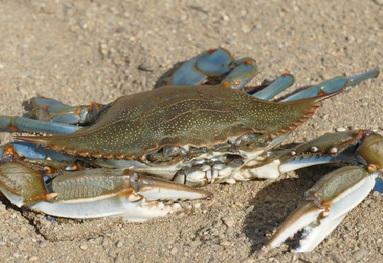
Cross-border project to detect and monitor non-indigenous marine species in Catalonia and Occitanie, enhancing scientific cooperation, citizen participation, and management of impacts on ecosystems and coastal economies.

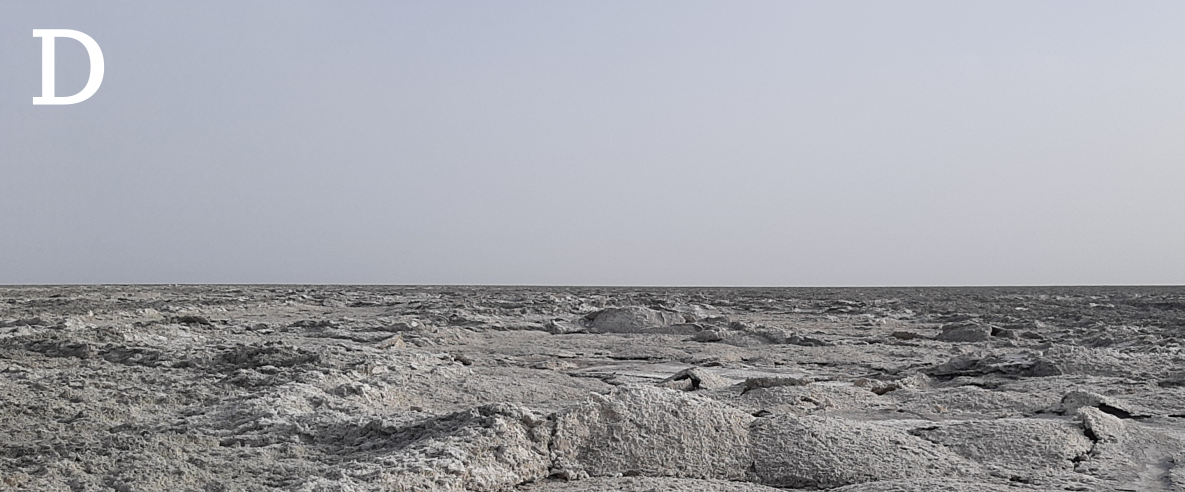
DryingLake addresses the problem of inland water desiccation, which is increasingly affecting ecosystems worldwide due to both climate change and the diversion of water for irrigation.

The Network’s main objective is to foster collaboration between national and international research groups to advise society and authorities on the key role of BCEs.

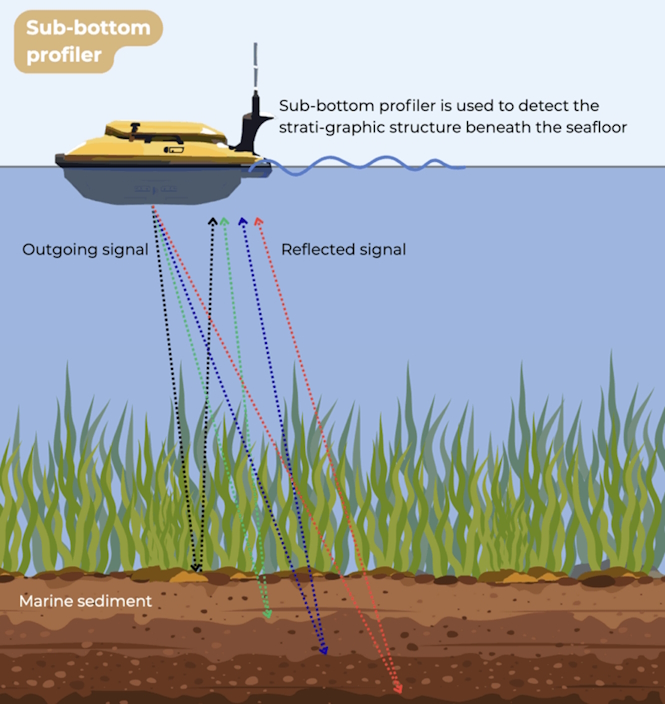
It proposes to develop an innovative and non-destructive method to quantify carbon stocks. This method will use advanced technologies such as geoacoustics, autonomous vehicles, drones, satellite imagery and artificial intelligence, also allowing the exploration of “hidden” carbon deposits under layers of sediment, which have so far been ignored.

By studying the relationship between rivers, aquifers, and terrestrial environments, ENEO3 examines how natural self-purification processes can help improve water quality. The project focuses on denitrification, a key biogeochemical process that converts nitrates into nitrogen gas, thereby reducing water pollution caused by excess nitrogen.

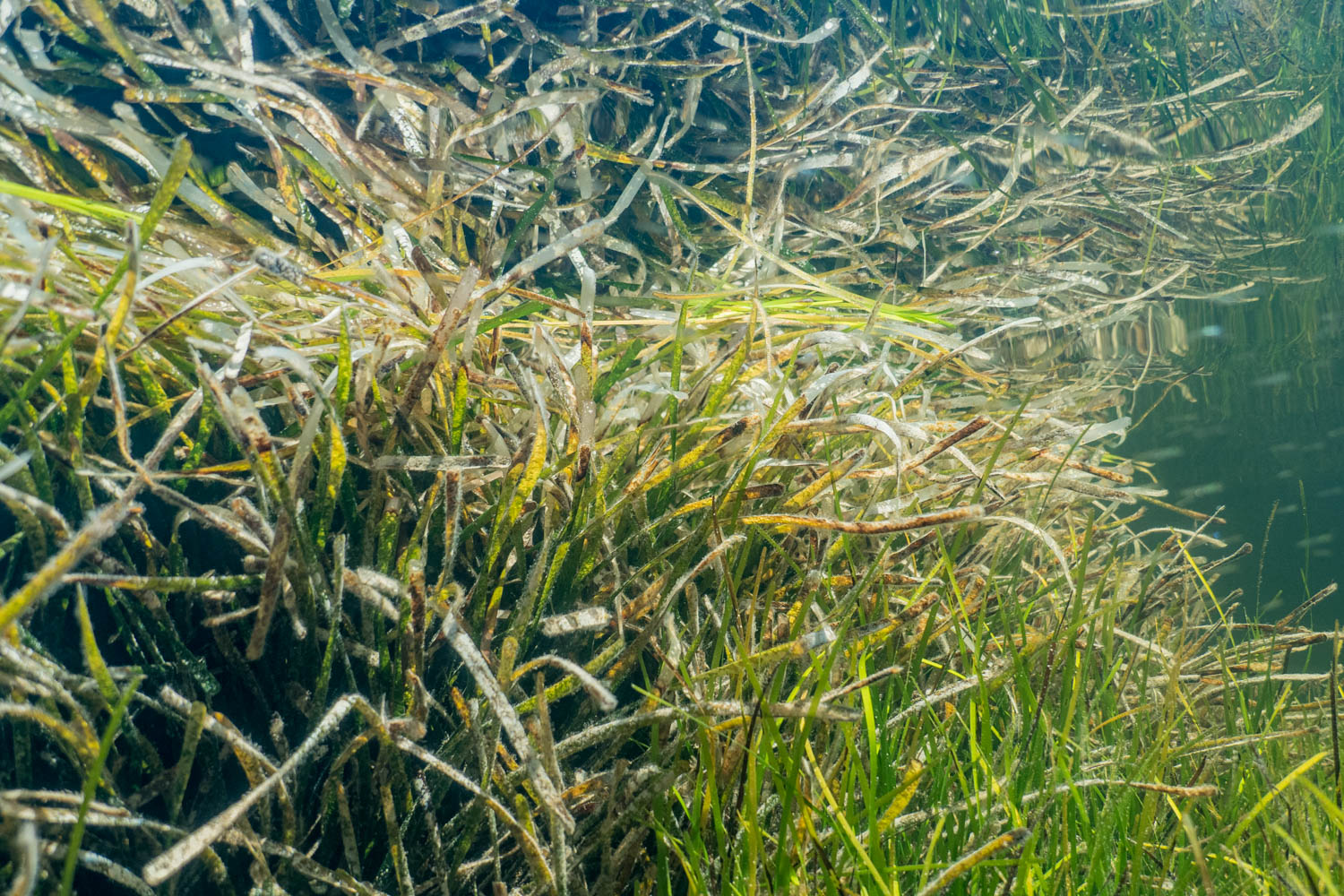
The BlauCat project aims to assess the current status of blue carbon in Catalonia’s coastal ecosystems and contribute to the development of an action plan for their conservation and restoration, as a tool to support public policies for climate change mitigation and adaptation. The project will generate a homogeneous and georeferenced database on blue carbon stocks and fluxes at the regional scale, as well as an analysis of the restoration potential of these ecosystems.

The main objective of this research project is to co-develop digital twins for predicting water quantity and quality in the Ter and Tordera basins, including catchments, reservoirs and coastal areas, contributing to efficient water resource management, protecting ecosystems and maximising water security in a climate change context.

BREATHE develops a global, sensor-based system to monitor river health through dissolved oxygen and river metabolism, linking ecosystem functions to services such as climate regulation and water purification.

The esGLEON project promotes Spain’s involvement in the global scientific network GLEON to study and mitigate the effects of climate change on lakes and reservoirs, by coordinating research teams, strengthening international leadership, and supporting sustainable water management policies.
C/ d’accés a la Cala St. Francesc, 14
Blanes – Girona – 17300 (ESPAÑA)
Phone: +34 972 336 101
E-mail: info@ceab.csic.es