BlauCat-Current Status and Action Plan for Blue Carbon in Catalonia
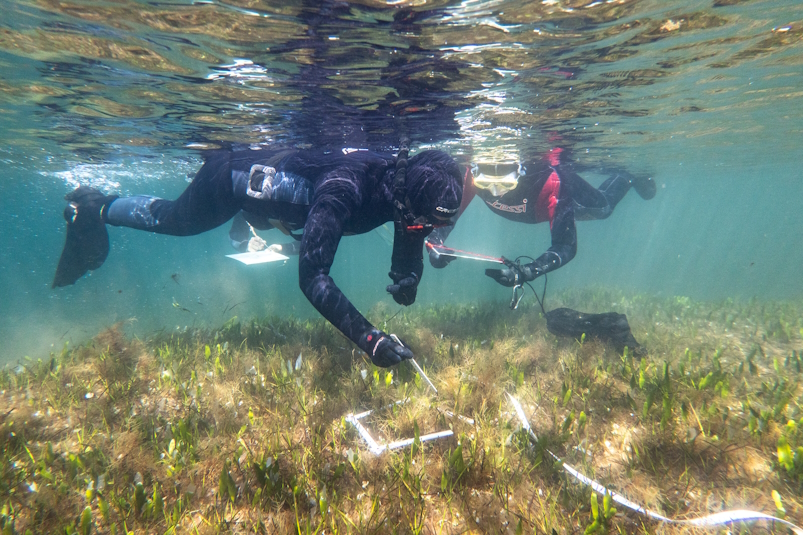
Coastal ecosystems, such as wetlands and seagrass meadows, play a key role in climate change mitigation thanks to their high capacity for carbon sequestration and

Coastal ecosystems, such as wetlands and seagrass meadows, play a key role in climate change mitigation thanks to their high capacity for carbon sequestration and

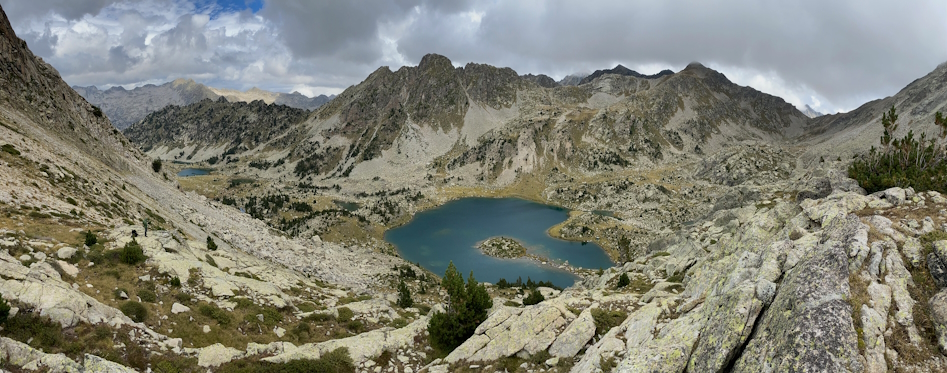
Despite their remote location, high mountain aquatic spaces are subject to anthropogenic threats that put their conservation status at risk, such as the introduction of exotic species, overcrowding by tourists or hydraulic infrastructures.

Research project to evaluate the effects of anthropogenic pressures on ecosystems, including the detection and monitoring of invasive species, the consequences of increasing temperatures and eutrophication, among others.

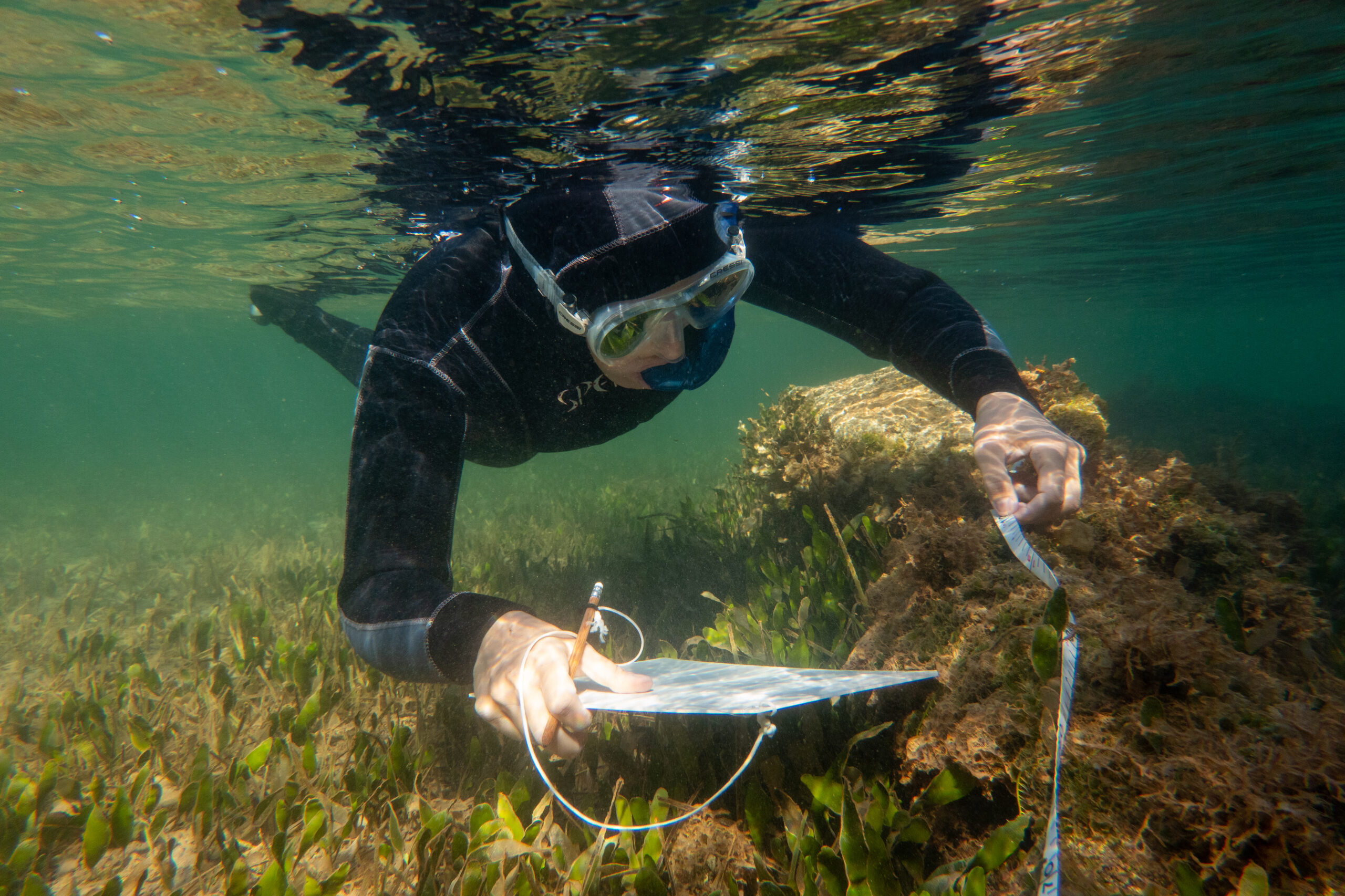
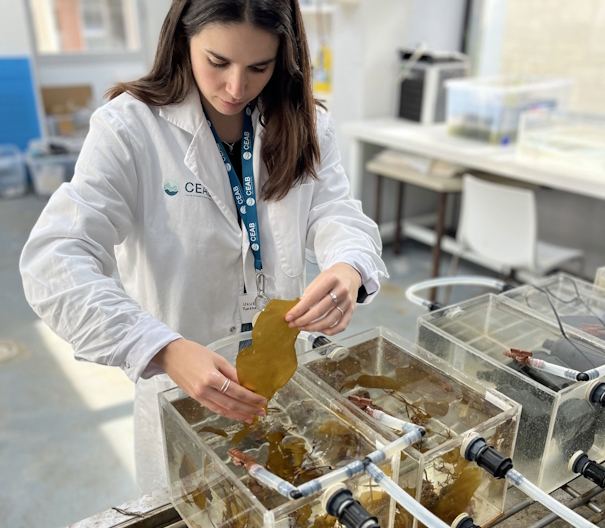
The development of effective strategies for the conservation of Cystoseira residual forests based on new tools to monitor them is of fundamental importance today. This project has been designed to provide these tools and assist environmental policy makers in the management of Cystoseira forests.

Change in ecosystems occurs over multiple temporal and spatial scales. Discriminating between actual changes, cycles and trends is often difficult or impossible without an adequate temporal perspective, since multiple processes interact at multiple temporal and spatial scales.

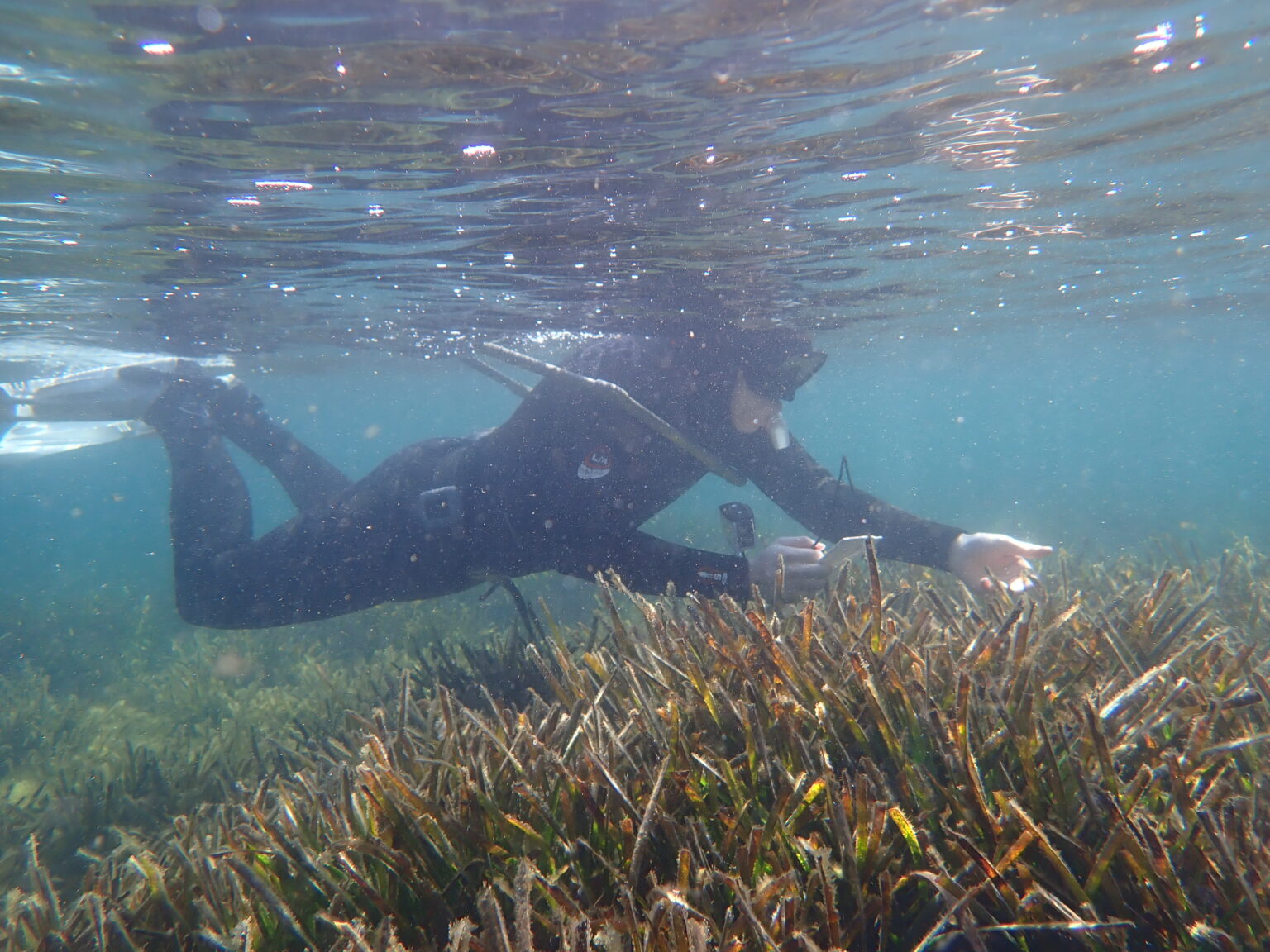
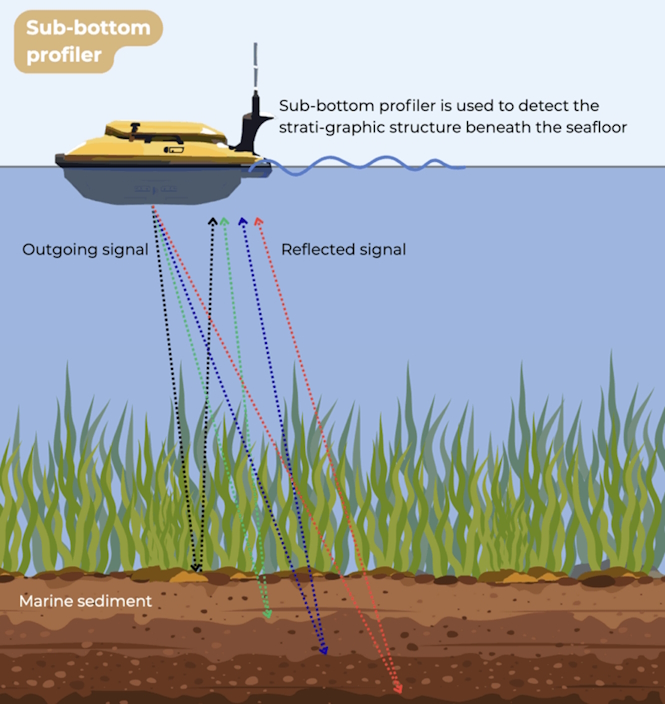
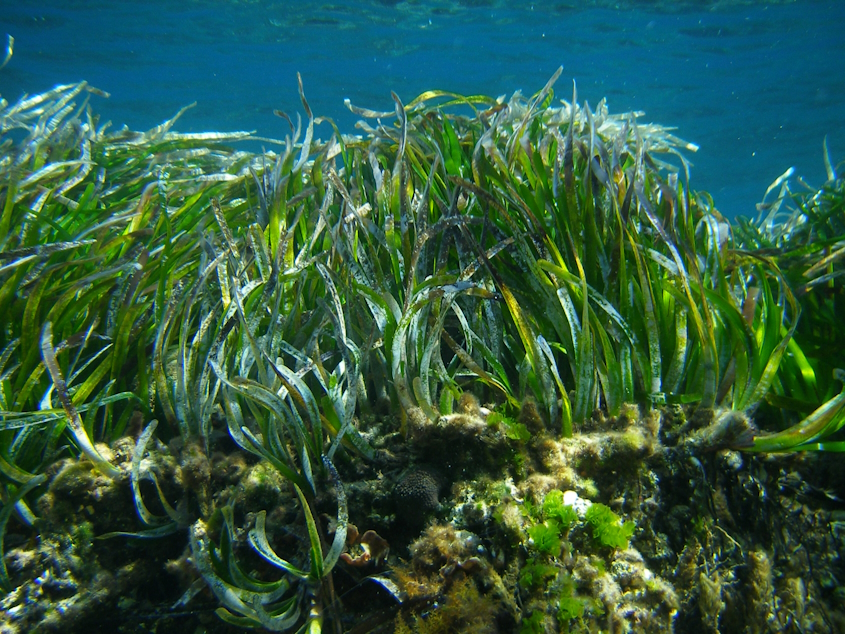
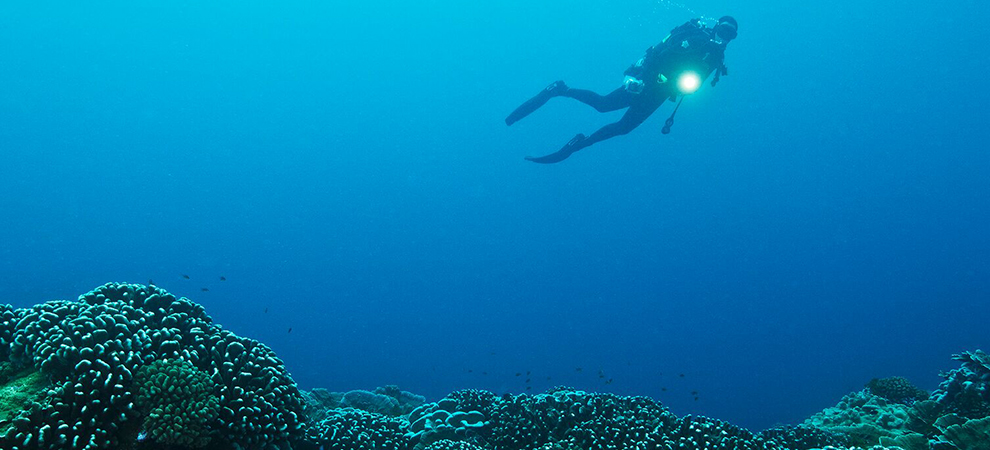
Per dotar els robots submarins de més autonomia i capacitats, aquest projecte busca millorar i potenciar les seves capacitats cognitives i intel·ligents durant l’exploració del fons marí. SIREC treballarà en primer lloc el mapeig de praderies marines de Posidonia oceànica, un component important dels ecosistemes vinculats al segrest de carboni i, per tant, de gran impacte ambiental i social.

The project, with an explicitly interdisciplinary vocation, seeks, first of all, to document the role of storms as agents of change for Mediterranean coastal vegetation, both emerged and submerged (underwater meadows, marsh vegetation and dunes).

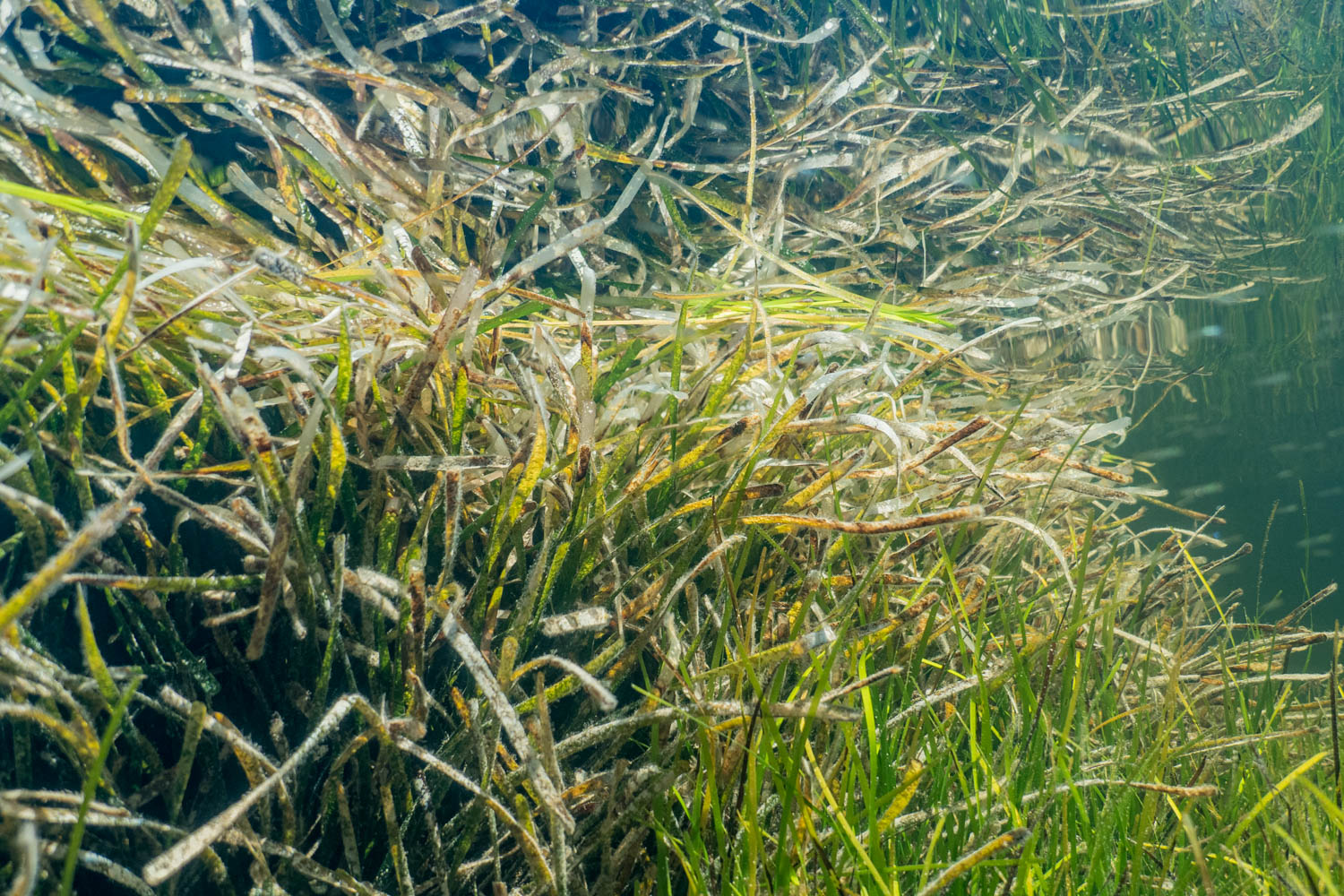
Blue Forests, such as macroalgal forests, seagrass meadows, salt marshes and mangroves, are vegetated coastal habitats that cover enormous areas around the world, providing various types of ecosystem services.

This project aims to restore damaged populations by incorporating new juvenile individuals raised in laboratory conditions and establish new restoration protocols that do not spoil existing populations.

The effective assembly and integration of socio-ecological systems around marine forest habitats will allow the identification of optimal balance scenarios between the long-term conservation of coastal benthic ecosystems and the viability of small-scale fisheries for both sea urchins and of their predatory fish.
C/ d’accés a la Cala St. Francesc, 14
Blanes – Girona – 17300 (ESPAÑA)
Phone: +34 972 336 101
E-mail: info@ceab.csic.es