Skip to content

Study of natural systems affected by coastal management or offshore infrastructure projects

CREOCEAN

It focuses on detailed taxonomic analysis and trophic-functional assessment of soft-bottom macrobenthos in various regions worldwide, with the aim of providing rigorous scientific advice to support the completion of environmental monitoring and impact management studies for projects.

The structure and organisation of macrobenthic communities are closely linked to short- and long-term changes occurring in marine ecosystems. The response of the macrobenthos is primarily expressed through: (1) its species composition, which tends to become simplified as disturbance levels increase, and (2) its trophic-functional organisation, reflecting shifts in the dominance of different feeding strategies according to the intensity of environmental impact.

For this reason, the spatial and temporal characterisation of the macrobenthic compartment constitutes a key tool for monitoring environmental changes associated with disturbance processes, whether of natural or anthropogenic origin.

In this context, the contract established between CEAB and the French environmental management company CREOCEAN focuses on detailed taxonomic analysis and trophic-functional assessment of soft-bottom macrobenthos in various regions worldwide. The objective is to provide rigorous scientific advice enabling the company to complete environmental monitoring and impact management studies commissioned by its clients, in both the public and private sectors.

The CEAB/Creocean contract has been maintained continuously since 1998 and has so far generated economic returns exceeding one million euros.

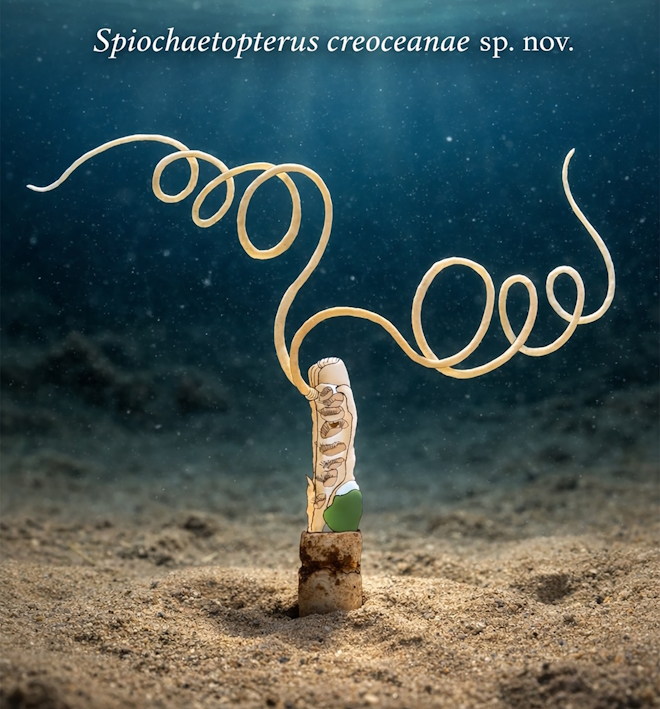
At the same time, it has also produced significant scientific output, with approximately 30 publications based on data collected over nearly three decades of collaboration, including several papers describing numerous new species of polychaete annelids and cumaceans from different parts of the world.

Principal Investigator: Daniel Martin

Other CEAB researchers and staff involved: Paola Mura, Miquel Àngel Meca

Other participating researchers or entities: João Gil, CREOCEAN

General project information

Financing amount

1016.016€

Development period
Start

01/01/1998

End

-

Department

Responsible researcher

Scientific Researcher | Head of Marine Ecology Department

Other researchers and involved staff

Funding entities

Institutions/collaborators

Social networks of the project

You may also be interested in

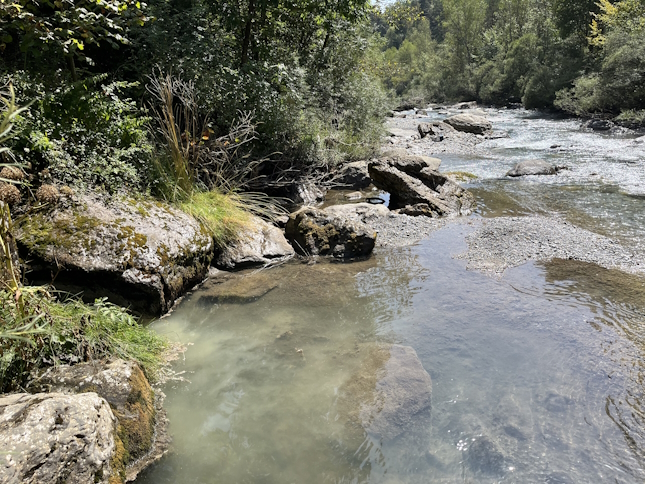
The project aims to design nature-based wastewater treatment solutions specifically adapted to high-mountain conditions.
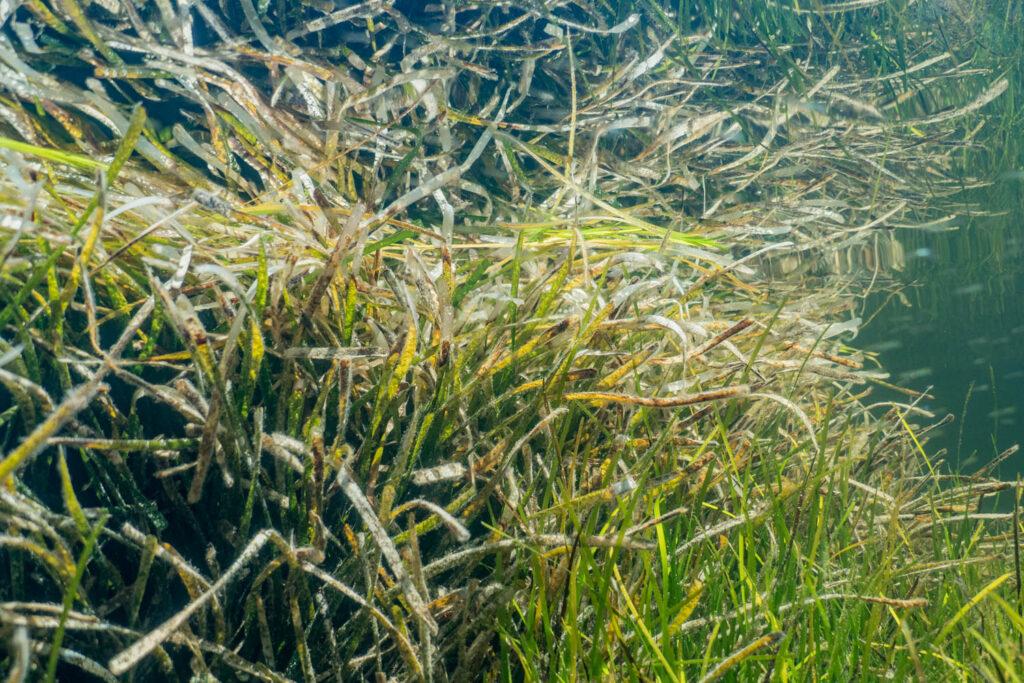
The project provides tools to guide the management and restoration of P. oceanica, a key species that stabilises sediments, sequesters CO₂ and provides habitat for numerous species, but which is currently declining due to human impacts.
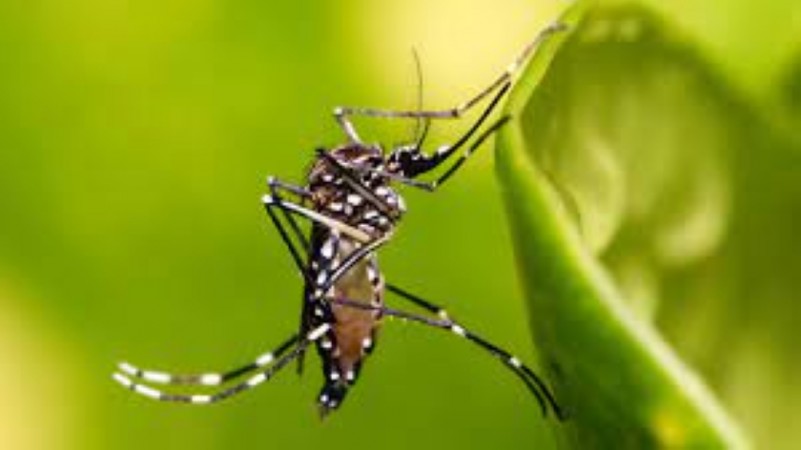
DengRIP is a community-centered project addressing dengue and other arboviral diseases in West Africa through improved mosquito surveillance, risk prediction, and vector control. It combines scientific research, citizen participation, and local capacity building to strengthen outbreak preparedness in urban areas such as Ouagadougou.
This project is being developed within the framework of an ICOOP grant (a CSIC Scientific Cooperation Program for Development), which aims to stimulate collaboration between CSIC research groups and international research groups in countries receiving Official Development Assistance through training, work, and specialization stays for research groups from participating entities.
Aquatic non-native species are spreading globally due to human activity, yet little is known about how these invasions occur and evolve. This pioneering project uses environmental DNA (eDNA) to study the phases of biological invasion in various aquatic ecosystems, aiming to better understand these processes and provide tools to tackle the biodiversity crisis.