Skip to content

Marine genomic challenges: big community data as sentinelof climate change and environmental biosecurity (MARGECH)

MARGECH

With the MARGECH research project we want to generate massive data on marine biodiversity through sequencing of DNA extensions (metabarcoding) to monitor global change and develop biosafety tools.

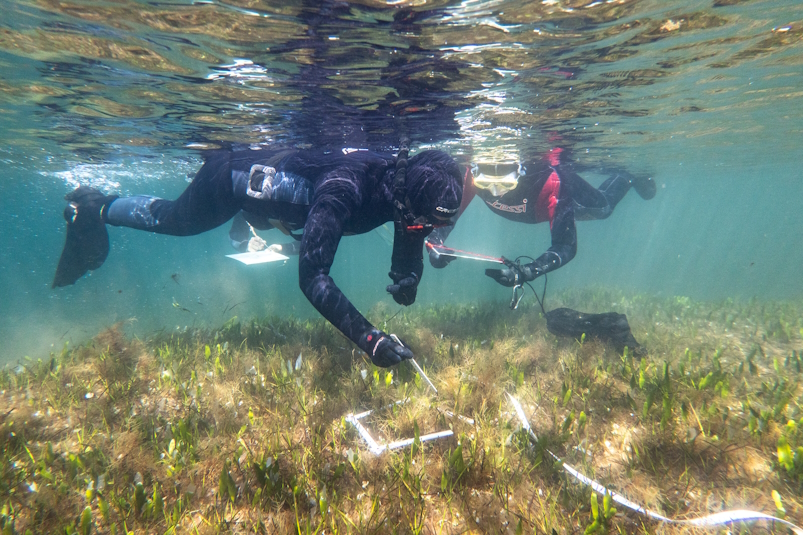
In MARGECH we will generate massive amounts of marine biodiversity data using amplicon sequencing (metabarcoding) to monitor global change impacts and to develop biosecurity tools. The so-called big community data, obtained from the exhaustive biodiversity inventories attainable with genetic tools can be mined for targeted research on applied aspects. We will focus, on the one hand, on climate change impacts. We seek to contribute baseline data on relevant benthic communities as well as continue ongoing temporal biomonitoring along the Mediterranean Iberian coast and in National Parks with maritime domains (Cabrera Archipelago and Galician Atlantic Islands). The application of machine learning algorithms and joint distribution models will allow us to evaluate ongoing changes in the communities surveyed and to detect indicator taxonomic units.

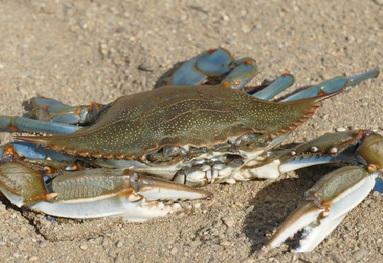
On the other hand, multi-marker amplicon-sequencing will also be applied to biosecurity issues. We will survey port communities and open water communities to monitor the arrival and interactions of introduced species and to identify harmful species for marine organisms, for
environmental quality, and for human health (pest, pathogen, HAB-forming species).

We will also perform a targeted research of protists that act as parasites and pathogens on cultured bivalves and associated ascidians in the Ebro Delta. This culture setting is among the largest in W Mediterranean, and its constant interaction with farming fields and river discharges makes it highly vulnerable to diseases of the cultured bivalves, which can also accumulate pathogens of human health concern.

General project information

Development period
Start

01/09/2021

End

31/08/2024

Department

Responsible researcher

Director| Research Scientist
Research Professor

Other researchers and involved staff

Funding entities

Institutions/collaborators

Social networks of the project

You may also be interested in

Cross-border project to detect and monitor non-indigenous marine species in Catalonia and Occitanie, enhancing scientific cooperation, citizen participation, and management of impacts on ecosystems and coastal economies.
DryingLake addresses the problem of inland water desiccation, which is increasingly affecting ecosystems worldwide due to both climate change and the diversion of water for irrigation.
By combining satellite images, remote sensors, and field data, the project will provide effective tools to help managers and policymakers monitor and assess coastal carbon ecosystems and integrate blue carbon into national climate inventories and policies.
The Network's main objective is to foster collaboration between national and international research groups to advise society and authorities on the key role of BCEs.
It proposes to develop an innovative and non-destructive method to quantify carbon stocks. This method will use advanced technologies such as geoacoustics, autonomous vehicles, drones, satellite imagery and artificial intelligence, also allowing the exploration of “hidden” carbon deposits under layers of sediment, which have so far been ignored.