Collaborative project
BIOcean5D is a major interdisciplinary project designed to better understand the impact of human activity on Europe’s seas and coasts.
The overall objective of BIOcean5D is to generate the data, knowledge, theory, monitoring and modeling tools necessary to sustainably measure, understand, value and predict marine biodiversity in the five dimensions (5D) of space, time and pressures. human environments, allowing ecosystem-based management and long-term preservation.
BIOcean5D brings together the main European centers for molecular and cellular biology; Marine biology; and sequencing, together with 31 partners from 11 countries, to build a unique set of technologies, protocols and models that enable the holistic re-exploration of marine biodiversity, from viruses to mammals, from genomes to holobionts, across multiple spatial and temporal scales , extending from pre-industrial history to the present day.
What is the project?
Marine biodiversity supports ecosystem services for human and planetary health. Recent studies of marine ecosystems have revealed our ignorance about the richness and functioning of marine life, which is changing in the Anthropocene at a faster rate than terrestrial life.
Biodiversity and marine ecosystems evolve in a fluid and highly dynamic environment and are changing at a faster rate than terrestrial ecosystems. They are affected by the cumulative impacts of global (ocean warming, deoxygenation, acidification, cooling, etc.) and local (pollutants, exploitation of natural resources, ocean expansion, etc.) and anthropogenic stressors, leaving only 13% of the ocean free of human impacts.
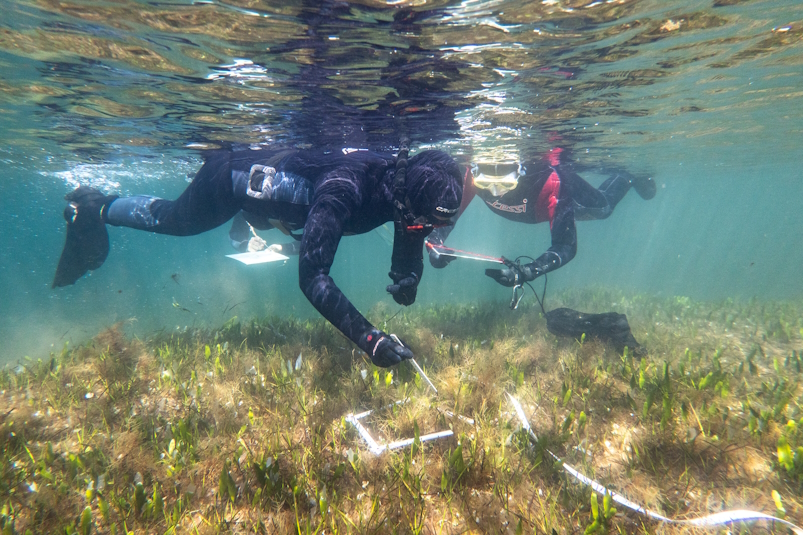
Yet we are still blind to the extraordinary richness of marine life and its functioning, as until recently we simply lacked the methods to evaluate it as a whole, compounded by the difficulty of measuring underwater life at extremely broad taxonomic spatial scales. and dynamics of marine ecosystems.
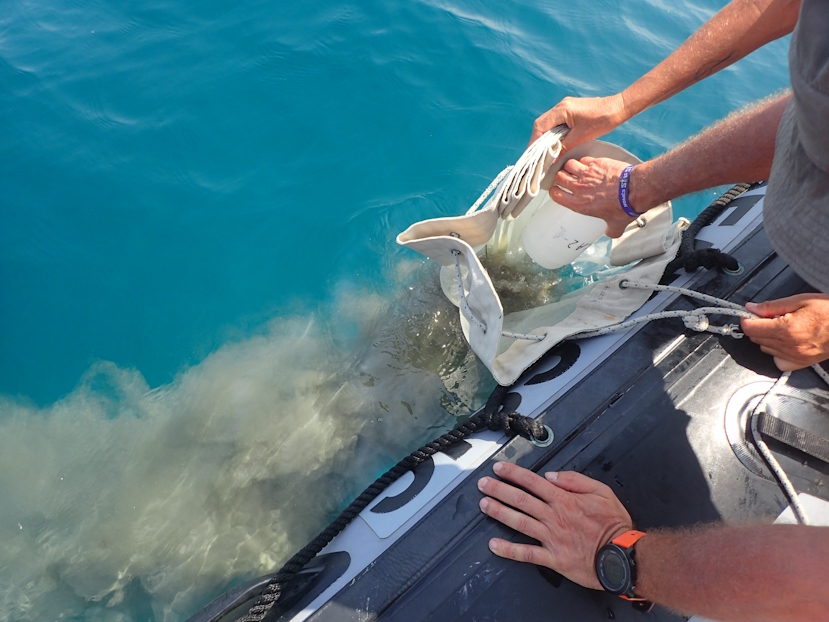
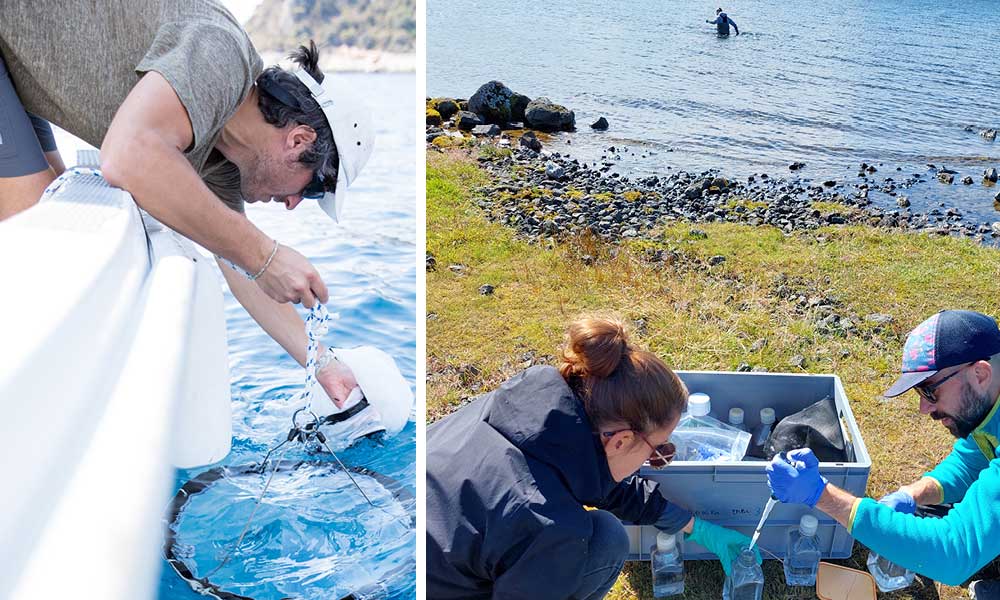
The technologies needed for these tasks already exist, including eDNA/RNA sequencing, automated imaging, acoustics and remote sensing, massive computing power, artificial intelligence, and complex systems modeling.
Together, these allow us to consistently measure and interpret marine biodiversity, from viruses to whales, from molecules to spices and their interactions, at spatiotemporal scales.
Why is the project important?
Gaining knowledge of the principles governing the structure, dynamics, resilience and evolution of marine life is essential for developing robust theories and predictive models of the relationships between marine biodiversity and ecosystem functions, which in turn will lead to better economic valuation and protection of marine life.