Skip to content

Resilience of High Mountain Lake Biodiversity to Global Change: A Paleoecological Approach for Future Conservation (PALEODIVERSITY)

PALEODIVERSITY

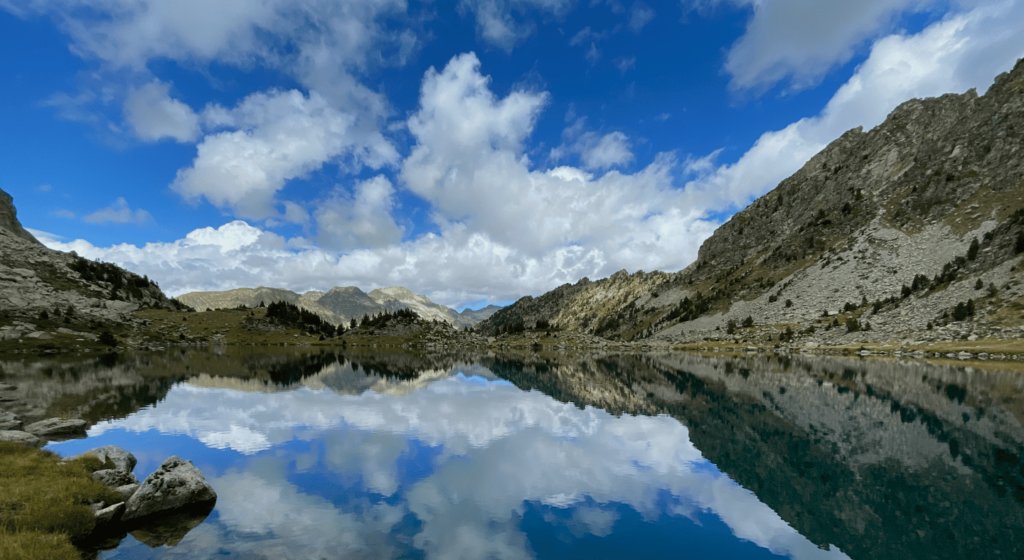
The project proposes to study biodiversity resilience by tracking changes in lake communitycomposition over the last ca. 2.000 years in four Pyrenean lakes with contrasting history of stressors pressure.

The project proposes to study biodiversity resilience by tracking changes in lake communitycomposition over the last ca. 2.000 years in four Pyrenean lakes with contrasting history of stressors pressure. We will focus on anthropogenic changes (non-native fish stocking, pasture-based livestock pressure and climate) and the type of biological responses that these changes have induced: gradual or abrupt. We will combine multivariate ordination techniques with nonlinear time-series methods (hierarchical generalized additive models) to characterize trajectories of community responses in each lake, and coherence in such trajectories across lakes.

The project will use a space for time approach with regional information of a total of 78 lakes combined with sedaDNA and traditional paleolimnological proxies analysed in the sediment records.

The relative importance of the three stressors on high mountain lakes has not been studied in detail. Previous results from our group have shown that fish can have a strong impact on biodiversity, which is higher when minnows have been introduced. We have also shown that it is possible to restore lakes by removing non-native fish. However, it is crucial to know when native biodiversity is fully recovered, and what is the influence of the other stressors on the recovery once fish are eradicated. Furthermore, research linking environmental stressors to lake ecological resilience has traditionally focused on single sentinel sites, hindering the study of spatially synchronous changes across large areas. The results will provide expert criteria for future conservation planning and selection of key lakes with the highest interest for biodiversity restoration, for having the highest recovery potential.


General project information

Development period
Start

01/09/2024

End

31/8/2028

Department

Responsible researcher

Tenured Scientist. Scientific manager of the Chromatography Service

Funding entities

Institutions/collaborators

Social networks of the project

You may also be interested in

Cross-border project to detect and monitor non-indigenous marine species in Catalonia and Occitanie, enhancing scientific cooperation, citizen participation, and management of impacts on ecosystems and coastal economies.
DryingLake addresses the problem of inland water desiccation, which is increasingly affecting ecosystems worldwide due to both climate change and the diversion of water for irrigation.
By combining satellite images, remote sensors, and field data, the project will provide effective tools to help managers and policymakers monitor and assess coastal carbon ecosystems and integrate blue carbon into national climate inventories and policies.
The Network's main objective is to foster collaboration between national and international research groups to advise society and authorities on the key role of BCEs.
It proposes to develop an innovative and non-destructive method to quantify carbon stocks. This method will use advanced technologies such as geoacoustics, autonomous vehicles, drones, satellite imagery and artificial intelligence, also allowing the exploration of “hidden” carbon deposits under layers of sediment, which have so far been ignored.