Skip to content

Marine sponge biodiversity from genes to ecosystems: delivering knowledge and tools for sustainable management and conservation (SponBIODIV)

SponBIODIV

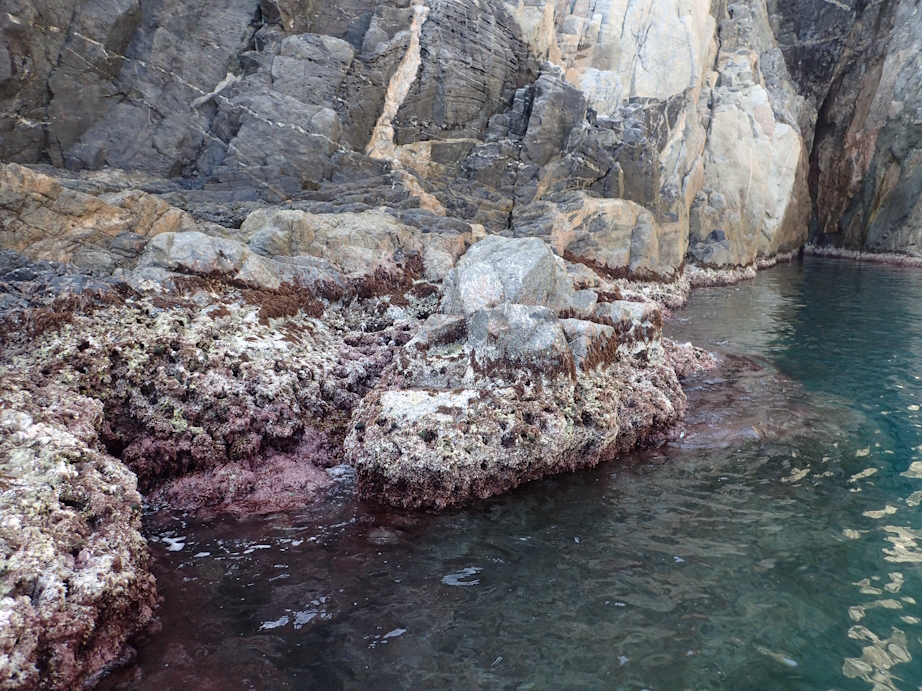
SponBIODIV​’s​ main goal is to establish a sponge diversity and distribution baseline knowledge, as well as delivering tools to improve management and conservation of sponges across the Atlantic and Mediterranean.

SponBIODIV is a key initiative to protect marine sponges and their ecosystems.

Its main activities include:

  • Improving the understanding of marine sponge diversity and distribution
  • Creating new monitoring tools for sponge habitats
  • Increasing knowledge of the threats that marine sponges are facing
  • Developing effective conservation measures to protect restore marine sponges
  • Contributing to the implementation of the EU Biodiversity Strategy for 2030

SponBIODIV​’s​ main goal is to establish a sponge diversity and distribution baseline knowledge, as well as delivering tools to improve management and conservation of sponges across the Atlantic and Mediterranean.

More specifically, this project will aim to:

  1. Identify bio and phylodiversity hotspots of sponge and sponge habitats across the Atlantic and Mediterranean, by compiling the most comprehensive dataset of sponges of this region.
  2. Establish ecological/genetic corridors and refugia areas between species and regions, combining biophysical modelling and population genomic approaches.
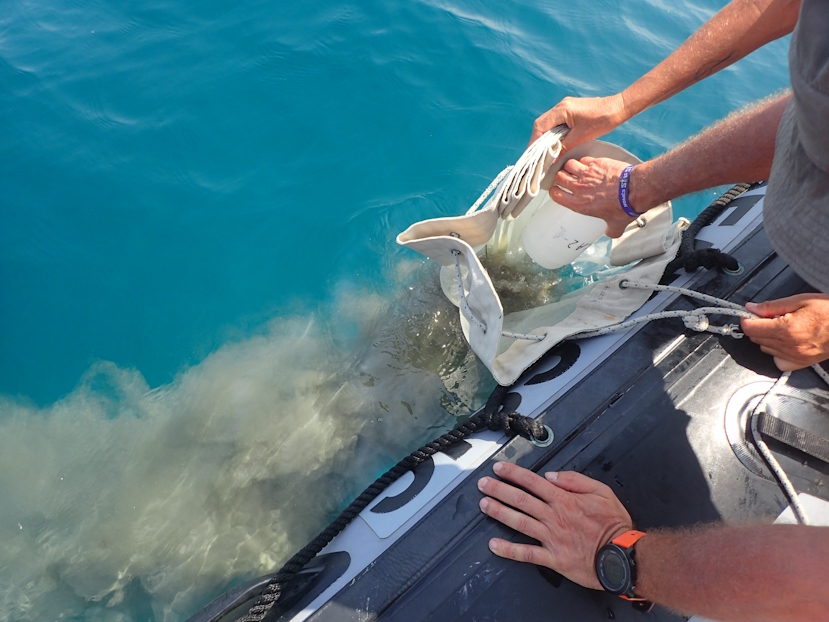
  3. Develop new methodologies for wider biodiversity detection and monitoring of sponge habitats by harnessing the potential of ​eDNA and ​sponges as natural samplers ​of eDNA. ​
  4. Assess the current conservation status of species and habitats in line with major international processes.
  5. ​​Engage relevant stakeholders for co-production and co-delivery of data and practical tools to inform management, conservation, and restoration​ actions​.​​​
  6. ​​​Raise public awareness of the importance of sponge species and habitats. ​

General project information

Financing amount

59.982€

Development period
Start

01/04/2023

End

31/03/2026

Department

Responsible researcher

Research Professor

Other researchers and involved staff

Funding entities

biodiversa

Institutions/collaborators

Social networks of the project

You may also be interested in

By studying the relationship between rivers, aquifers, and terrestrial environments, ENEO3 examines how natural self-purification processes can help improve water quality. The project focuses on denitrification, a key biogeochemical process that converts nitrates into nitrogen gas, thereby reducing water pollution caused by excess nitrogen.
The BlauCat project aims to assess the current status of blue carbon in Catalonia’s coastal ecosystems and contribute to the development of an action plan for their conservation and restoration, as a tool to support public policies for climate change mitigation and adaptation. The project will generate a homogeneous and georeferenced database on blue carbon stocks and fluxes at the regional scale, as well as an analysis of the restoration potential of these ecosystems.
The main objective of this research project is to co-develop digital twins for predicting water quantity and quality in the Ter and Tordera basins, including catchments, reservoirs and coastal areas, contributing to efficient water resource management, protecting ecosystems and maximising water security in a climate change context.
It focuses on detailed taxonomic analysis and trophic-functional assessment of soft-bottom macrobenthos in various regions worldwide, with the aim of providing rigorous scientific advice to support the completion of environmental monitoring and impact management studies for projects.
The project aims to design nature-based wastewater treatment solutions specifically adapted to high-mountain conditions.