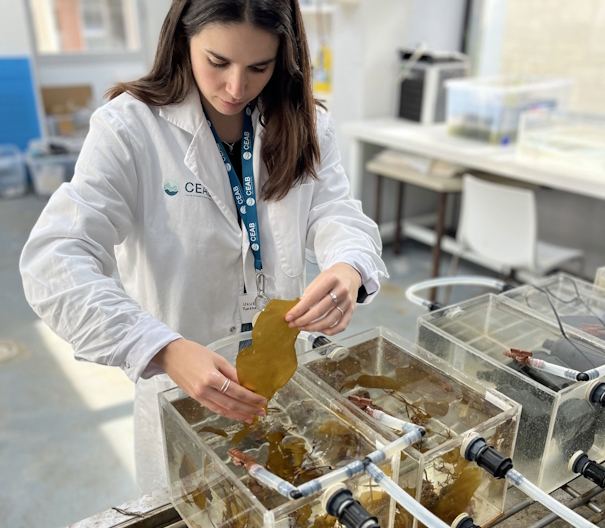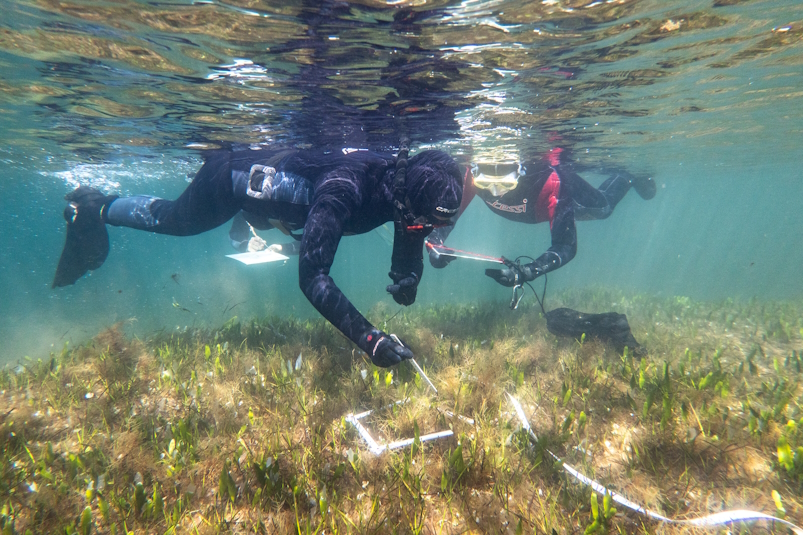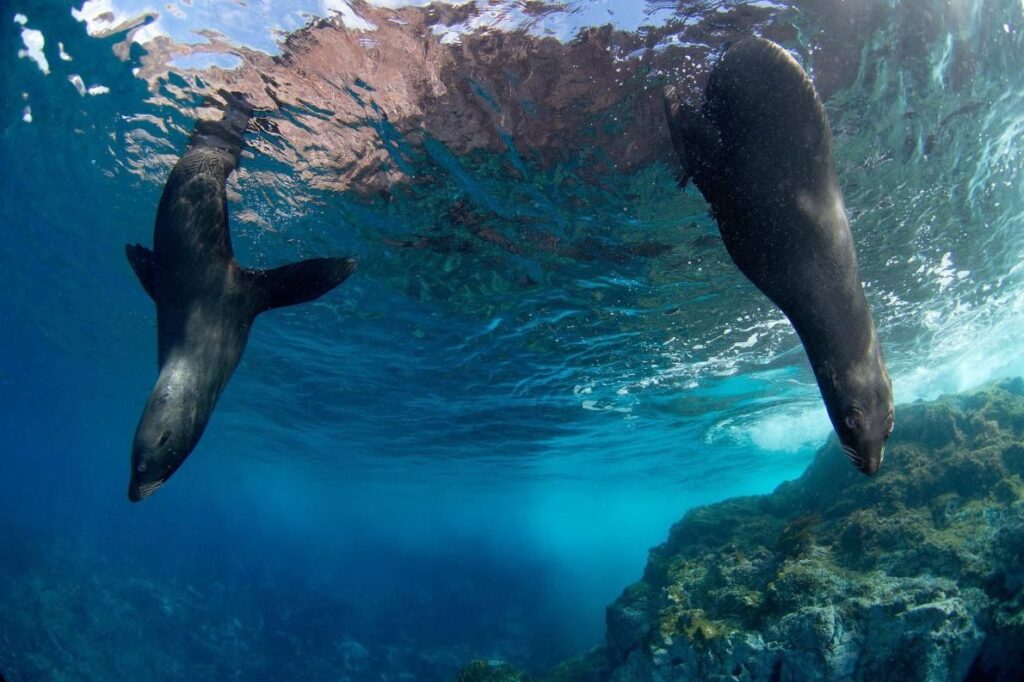
Life began in the oceans. Oceans cover most of the Earth’s surface and are the largest ecosystem on the planet. Billions of humans live in coastal areas and depend on the functioning of that ecosystem to live. Unfortunately, human activities are seriously endangering the health of the marine ecosystem. Therefore, it is essential to make known the richness of this ecosystem, its importance, the challenges it faces and what we, as citizens of the world, can do to improve and preserve it through our personal choices and attitudes. With the proposal of MCSA Researchers Night Ocean Night we intend to contribute to this challenge by increasing literacy in marine sciences in the general population and promoting appreciation of the importance of the marine ecosystem. Our proposal is a collaboration between all the CSIC Institutes that work in marine sciences and aims to develop a comprehensive 2-year scientific dissemination program. We will take advantage of the previous scientific dissemination experience of the participating institutes to offer a diverse and coherent program of events aimed at involving a wide range of regions in Spain and a socially diverse public.
The Night of the Oceans (OCEAN NIGHT)
OCEAN NIGHT
Our proposal is a collaboration between all the CSIC Institutes that work in marine sciences and aims to develop a comprehensive scientific dissemination program about marine ecosystems, their importance, the threats they face and what we can do as citizens.
Atlantic Biodiversity Citizen science Climate change Conservation Desertification Ecosystem services Environment Global change Human impacts Indian Marine biology Marine ecology Marine ecosystems Mediterranean Ocean One health Overexploitation Plastics Pollution Restoration Science for policy Scientific dissemination Sea Solutions based on nature Theoretical ecology Training Transfer
General project information
Development period
Start
01/05/2022
End
30/04/2024
Department
Research areas and themes
Responsible researcher
Other researchers and involved staff
Funding entities
Institutions/collaborators
Social networks of the project
You may also be interested in
By studying the relationship between rivers, aquifers, and terrestrial environments, ENEO3 examines how natural self-purification processes can help improve water quality. The project focuses on denitrification, a key biogeochemical process that converts nitrates into nitrogen gas, thereby reducing water pollution caused by excess nitrogen.
The BlauCat project aims to assess the current status of blue carbon in Catalonia’s coastal ecosystems and contribute to the development of an action plan for their conservation and restoration, as a tool to support public policies for climate change mitigation and adaptation. The project will generate a homogeneous and georeferenced database on blue carbon stocks and fluxes at the regional scale, as well as an analysis of the restoration potential of these ecosystems.
The main objective of this research project is to co-develop digital twins for predicting water quantity and quality in the Ter and Tordera basins, including catchments, reservoirs and coastal areas, contributing to efficient water resource management, protecting ecosystems and maximising water security in a climate change context.
It focuses on detailed taxonomic analysis and trophic-functional assessment of soft-bottom macrobenthos in various regions worldwide, with the aim of providing rigorous scientific advice to support the completion of environmental monitoring and impact management studies for projects.