General description:
In the current context of climate change and increasing human disturbances, Cystoseira populations are disappearing from the most populated and urbanized Mediterranean coasts. Natural restoration is problematic due to the low recruitment and dispersal rates that characterize these species. This project aims to restore damaged populations by incorporating new juvenile individuals raised in laboratory conditions and establish new restoration protocols that do not spoil existing populations.
Characterization of field populations:
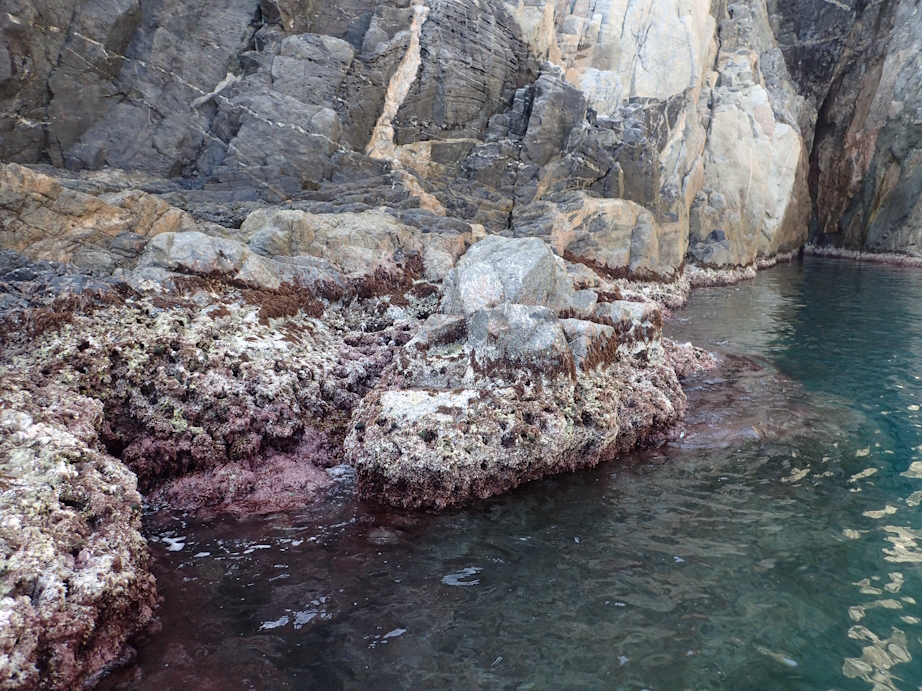
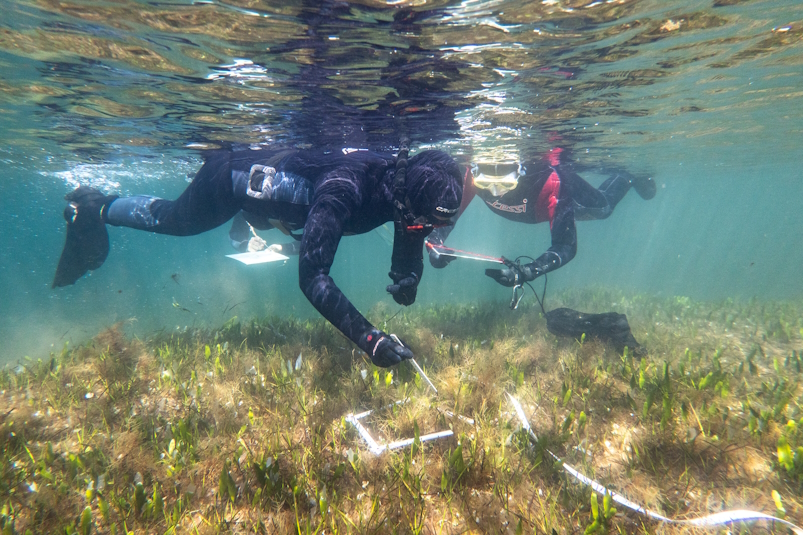
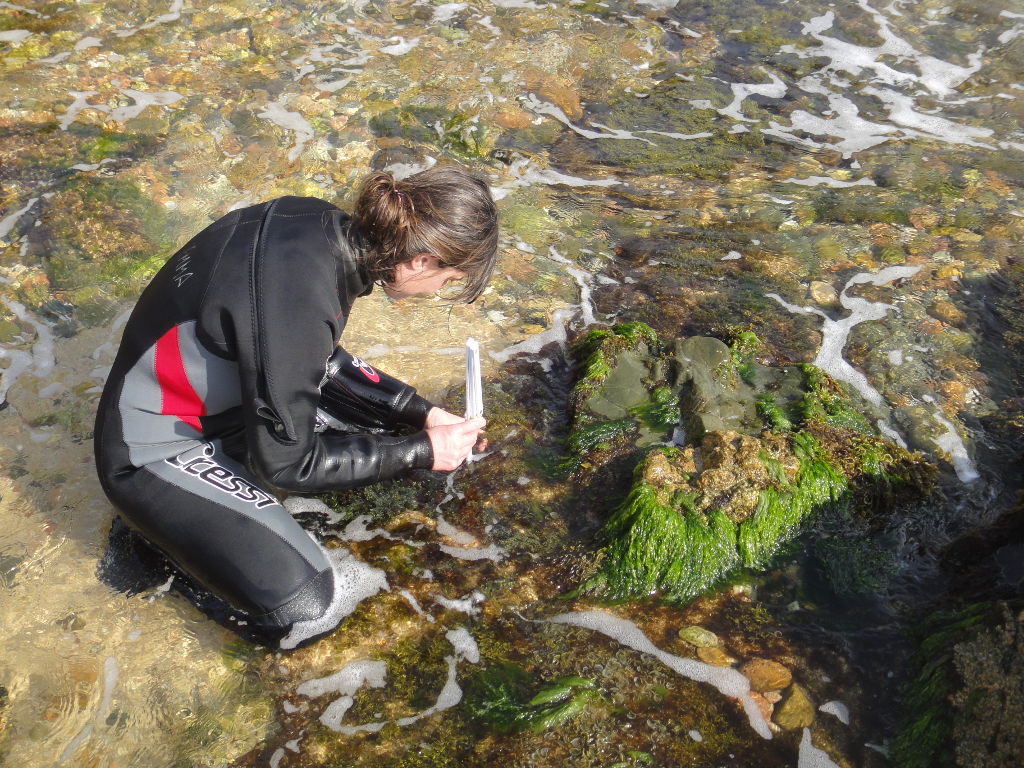
We wanted to determine the conservation status of the different known populations of Cystoseira that we have found in the shallow coastal waters of Catalonia and the Balearic Islands. We are controlling populations in Port de la Selva, Cala Montjoi, Palamós (Cala Estreta) and Cala Bona. We control these populations through measurement and monitoring. As part of this control we count individuals per quadrant and measure the highest apex of each individual. We also study the distribution of measurements and fertility. We also seek to determine which populations need restoration and which would be good donors.
Study of optimal conditions for cultivation:
Through laboratory experiments we study the optimal environmental conditions for the cultivation and survival of these species. In this experiment we are studying the effect of temperature, irradiance and pollution on the growth of juveniles. We have zygotes from three different locations placed on slides in Petri dishes exposed to different concentrations of UV (200 and 400) at three different temperatures (18°C, 21°C and 24°C). We measured their growth by counting the juveniles present in each condition. The development of these individuals has been observed from the first cell division to the juvenile stage.
Juvenile cultivation:
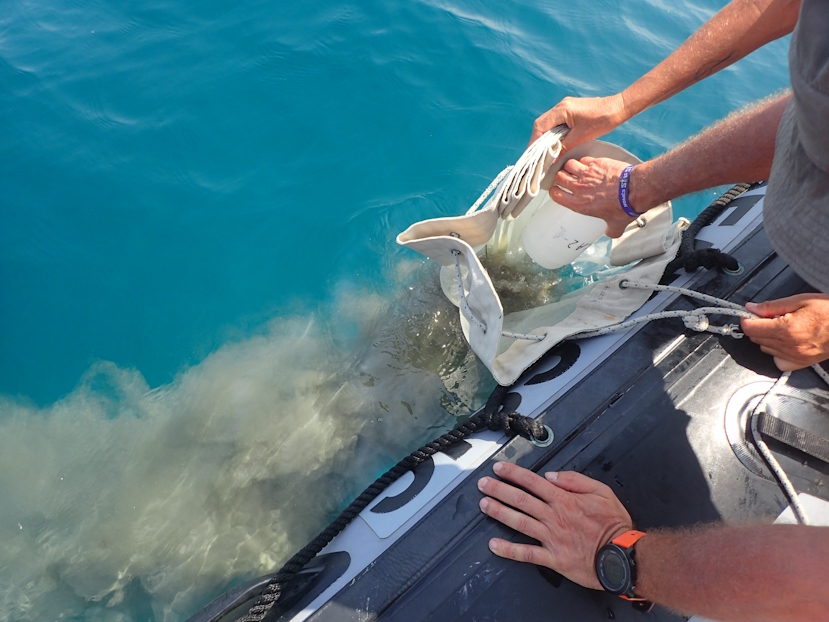
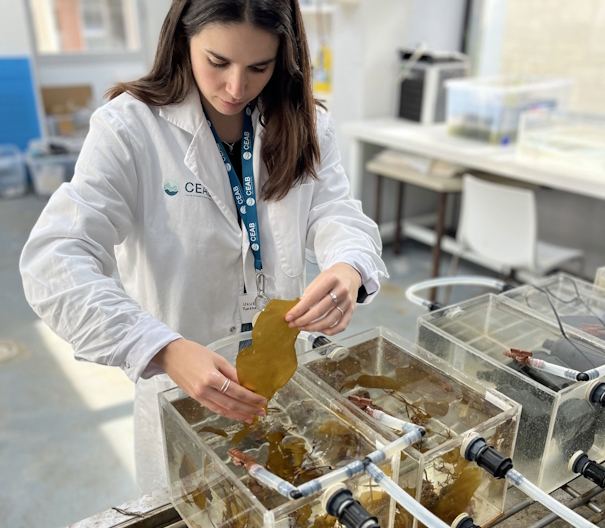
To restore C.crinita populations by improving recruitment/improving recruitment, we are developing innovative, non-destructive restoration techniques without manipulation of the natural population by adults/to try to impact as little as possible on threatened natural populations . We put different stones at the bottom of several tanks filled with seawater. The fertile apical branches of C. crinita collected from the donor population were placed floating on the water of the different tanks to allow the settlement of the zygotes on the stones at the bottom. After a few months, the stones with the new juveniles were transplanted to natural populations for restoration.
Restoration in the field:
When we obtain a large number of juvenile individuals we will transplant them to the populations that need restoration. Transplanting individuals of a certain size increases the probability of survival by avoiding predation and high mortality during the initial phases of development. Once reestablished, we continue to monitor populations to define the viability of individual transplants and definitively determine the effectiveness of our methods.