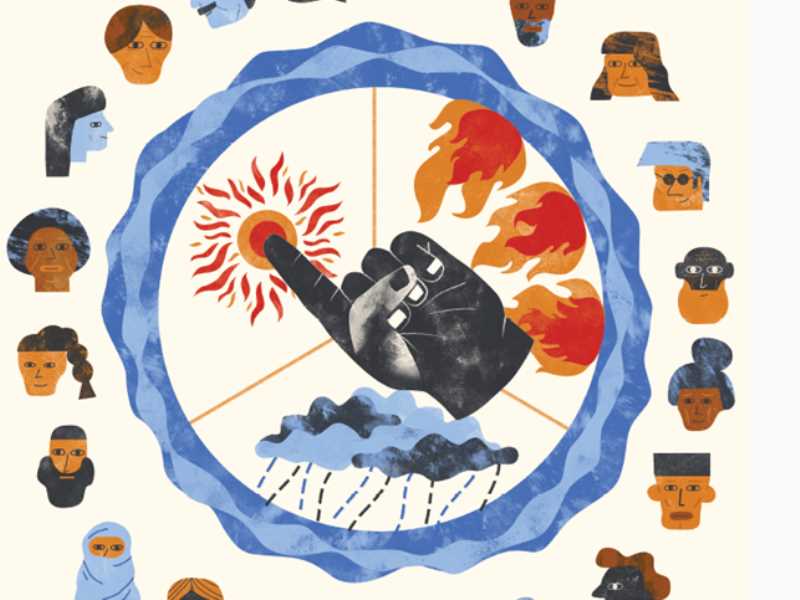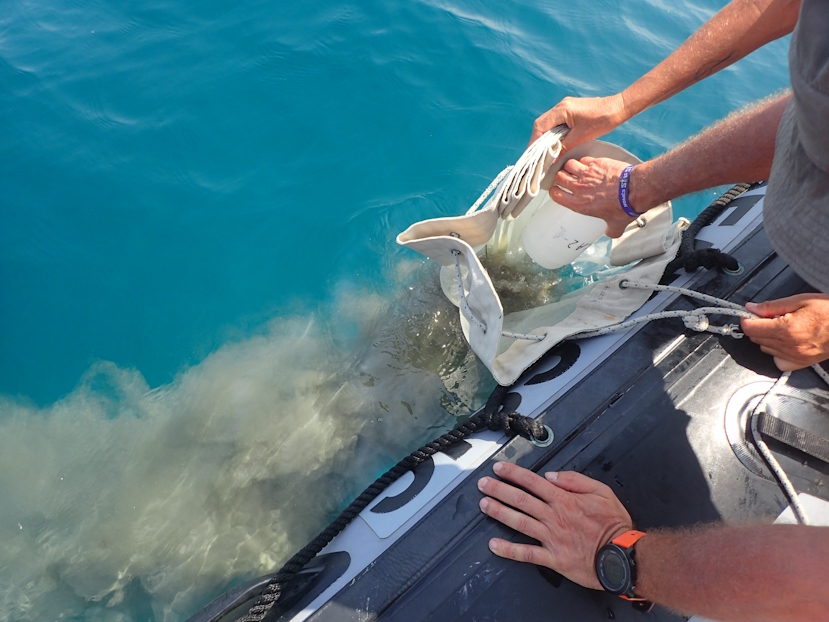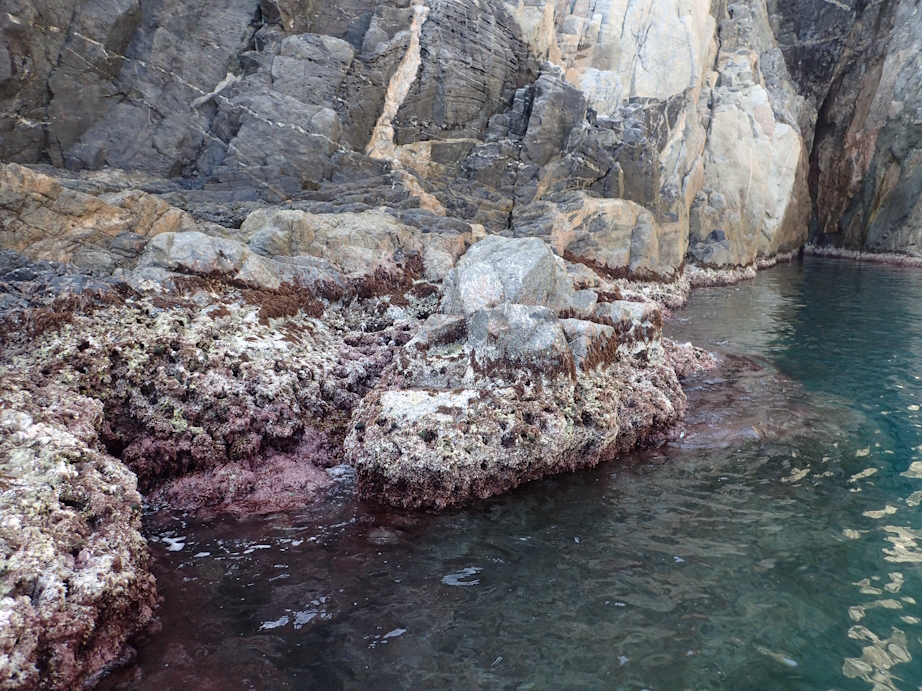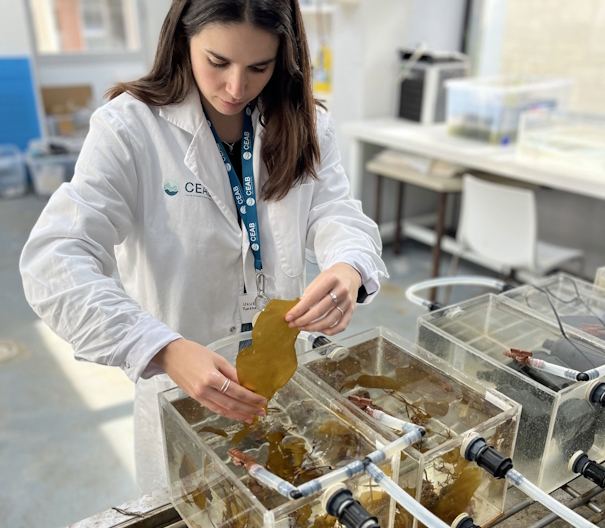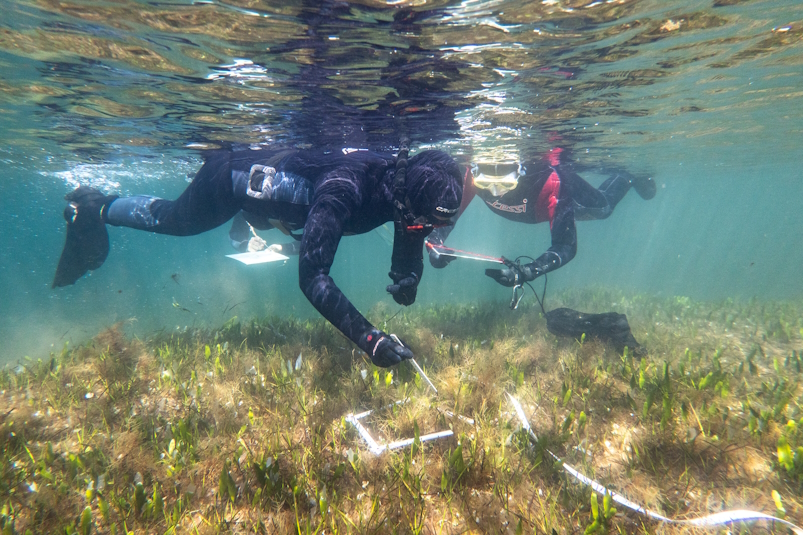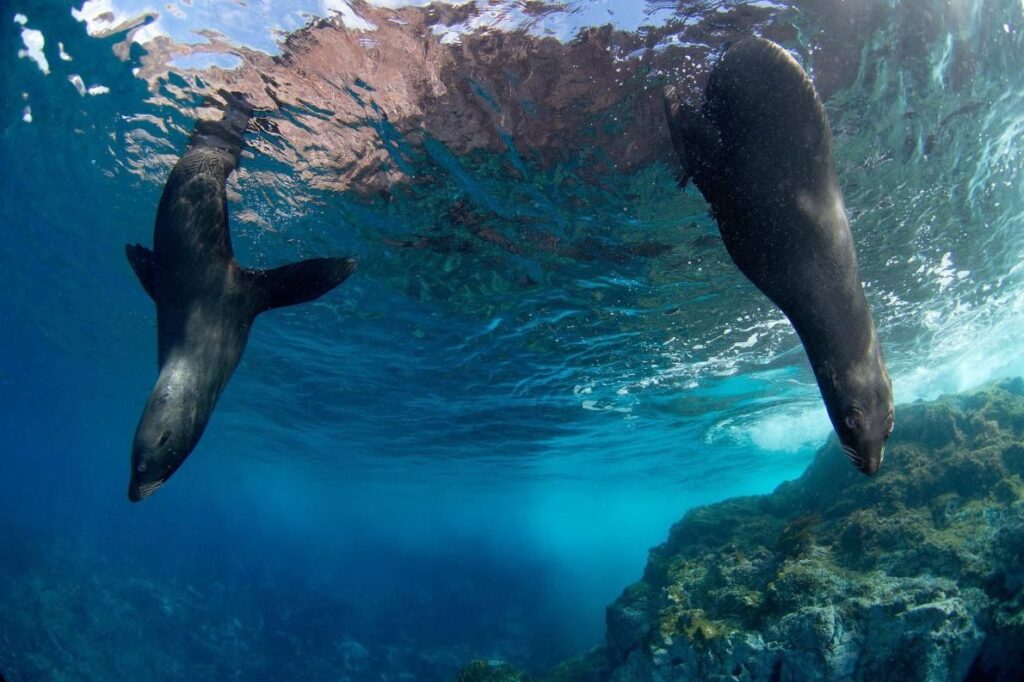
Life began in the oceans. Oceans cover most of the Earth’s surface and are the largest ecosystem on the planet. Billions of humans live in coastal areas and depend on the functioning of that ecosystem to live. Unfortunately, human activities are seriously endangering the health of the marine ecosystem. Therefore, it is essential to make known the richness of this ecosystem, its importance, the challenges it faces and what we, as citizens of the world, can do to improve and preserve it through our personal choices and attitudes. With the proposal of MCSA Researchers Night Ocean Night we intend to contribute to this challenge by increasing literacy in marine sciences in the general population and promoting appreciation of the importance of the marine ecosystem. Our proposal is a collaboration between all the CSIC Institutes that work in marine sciences and aims to develop a comprehensive 2-year scientific dissemination program. We will take advantage of the previous scientific dissemination experience of the participating institutes to offer a diverse and coherent program of events aimed at involving a wide range of regions in Spain and a socially diverse public.
The Night of the Oceans (OCEAN NIGHT)
OCEAN NIGHT
Our proposal is a collaboration between all the CSIC Institutes that work in marine sciences and aims to develop a comprehensive scientific dissemination program about marine ecosystems, their importance, the threats they face and what we can do as citizens.
Atlantic Biodiversity Citizen science Climate change Conservation Desertification Ecosystem services Environment Global change Human impacts Indian Marine biology Marine ecology Marine ecosystems Mediterranean Ocean One health Overexploitation Plastics Pollution Restoration Science for policy Scientific dissemination Sea Solutions based on nature Theoretical ecology Training Transfer
General project information
Development period
Start
01/05/2022
End
30/04/2024
Department
Research areas and themes
Responsible researcher
Other researchers and involved staff
Funding entities
Institutions/collaborators
Social networks of the project
You may also be interested in
Cross-border project to detect and monitor non-indigenous marine species in Catalonia and Occitanie, enhancing scientific cooperation, citizen participation, and management of impacts on ecosystems and coastal economies.
DryingLake addresses the problem of inland water desiccation, which is increasingly affecting ecosystems worldwide due to both climate change and the diversion of water for irrigation.
By combining satellite images, remote sensors, and field data, the project will provide effective tools to help managers and policymakers monitor and assess coastal carbon ecosystems and integrate blue carbon into national climate inventories and policies.
The Network's main objective is to foster collaboration between national and international research groups to advise society and authorities on the key role of BCEs.
It proposes to develop an innovative and non-destructive method to quantify carbon stocks. This method will use advanced technologies such as geoacoustics, autonomous vehicles, drones, satellite imagery and artificial intelligence, also allowing the exploration of “hidden” carbon deposits under layers of sediment, which have so far been ignored.