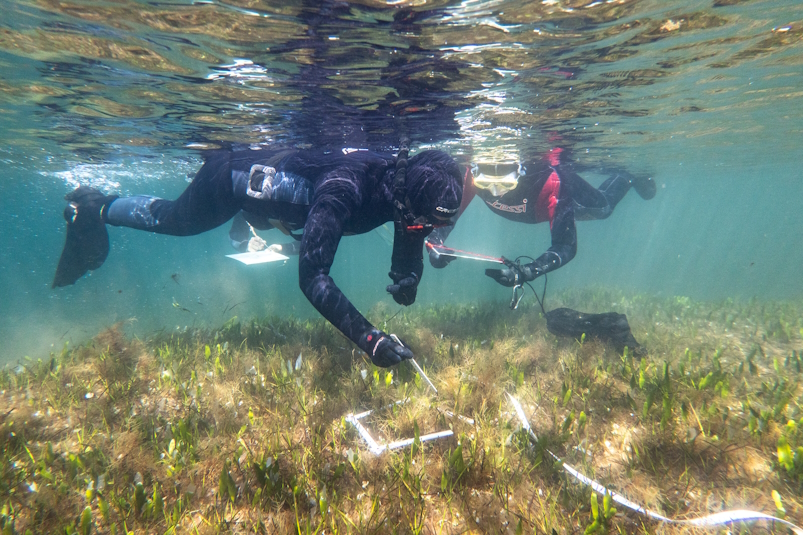
The PyriSentinel project, focused on the Pyrenees, studies high-mountain lake microorganisms using advanced DNA sequencing techniques. This region, experiencing warming above the global average, serves as a key observatory for assessing the impacts of global change.
Approximately 300 lakes will be examined, as their geographical isolation, extreme conditions, and climatic variations harbor remarkable microbial diversity. Characterizing planktonic communities is essential for understanding ecosystem productivity, as they play a crucial role in nutrient cycling, water purification, and interactions with macroorganisms, both at the trophic level and in their pathogenic potential.
Biomonitoring will help assess the health status of these ecosystems, their genetic heritage, and the potential consequences of environmental changes in these sentinel lakes.
The project, which brings together experts from France, Spain, and Andorra, fosters knowledge consolidation and policy coordination in response to environmental changes. Its main actions include:
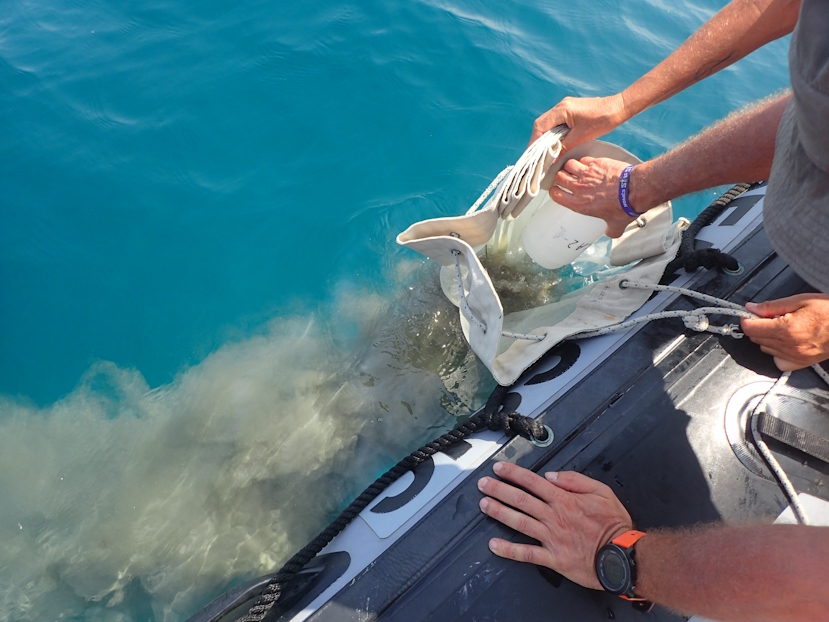
- Implementing innovative techniques for collecting and analyzing microorganism samples.
- Providing training in these techniques, engaging local communities to raise awareness of the research.
- Encouraging public participation and knowledge dissemination.
PyriSentinel will provide a detailed view of the genetic diversity of aquatic microorganisms in the Pyrenees, promoting advanced techniques and establishing a benchmark in genomics-based biomonitoring. Additionally, it will contribute to the international effort to characterize the global microbiome and equip professionals for effective long-term monitoring, enabling the tracking of potential climate change impacts on these unique ecosystems.
IP: Hannah Benisty (CRG)
Other participants:
Sara Abad (CRG)
Simon Blanchet (CNRS)
Lluís Camarero (CEAB-CSIC)
Jordi Catalan (CREAF-CSIC)
Marisol Felip (UB, CREAF)
Roderic Guigó (CRG)
Manel Niell (AR+I)
Emilio Righi (CRG)
Maximilian Stammnitz (CRG)