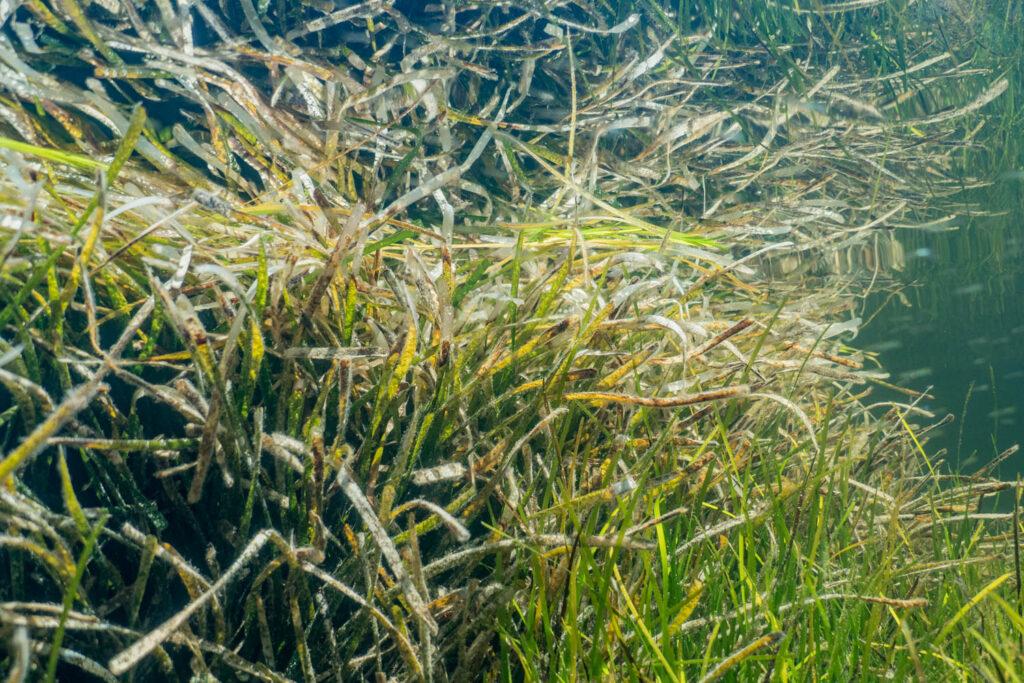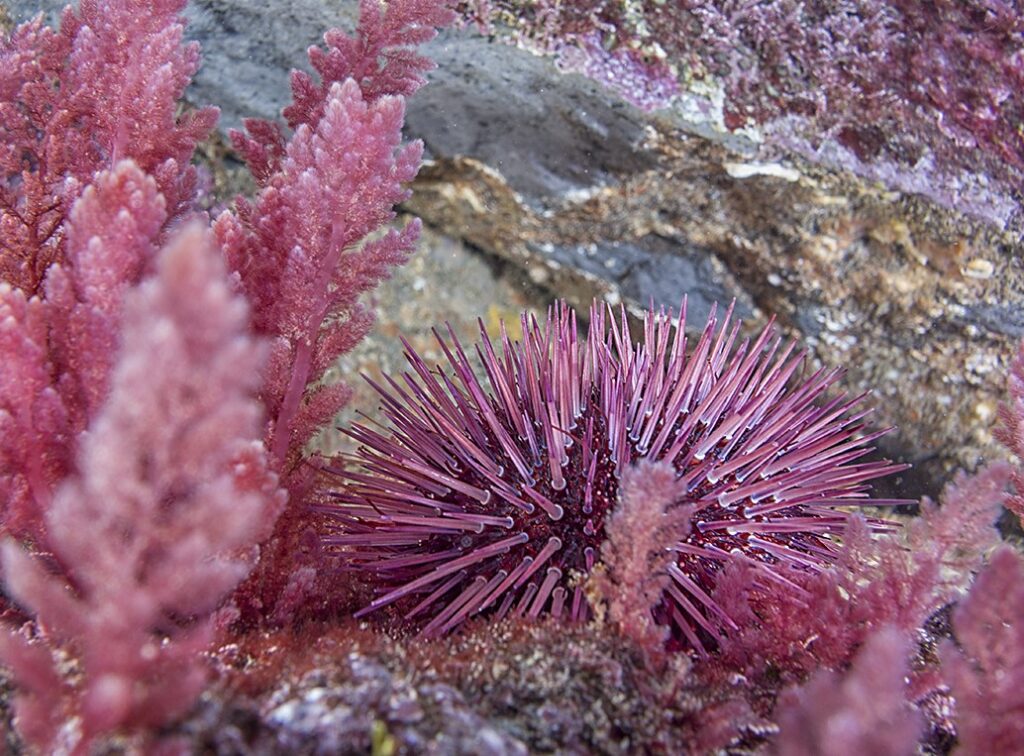
Global anthropogenic changes are rapidly disassembling the structure of natural ecosystems, leading to detrimental consequences for their functioning and services to human society (e.g., food production). In the Mediterranean Sea, fishing can reduce the abundance of coastal fish which feed on sea urchins, allowing these to increase uncontrolled, and overgraze marine macrophyte forests. These are a biodiversity hotspot, supporting multiple species of marine organisms and the ecosystem services they provide. Guaranteeing food security from natural resources while maintaining healthy marine forest ecosystems and conserving biodiversity remains a complex challenge for managers. To accomplish this purpose, it is necessary to deeply understand the processes regulating the ecological and socio-economic systems including the sea urchin Paracentrotus lividus that plays a key role, both as one of the main Mediterranean herbivores controlled by fish (mainly the commercial species of Sparids), and for its value as a highly prized delicacy.
The effective coupling and integration of the socio-ecological systems around marine forest habitats will permit the identification of optimal trade-off scenarios between long-term conservation of coastal benthic ecosystems and the viability of small-scale fisheries of both sea urchins and their predatory fish.
MUrFor is an interdisciplinary project that combines different expertise. It is based on the principles of participative management between researchers and stakeholders (e.g. regional fisheries and Marine Protected Areas managers). The project will be based on two main study areas: Sardinia, Italy, characterized by high sea urchin harvesting and Catalonia, Spain, characterized by high pressure of artisanal fishery of sparids.
The activities include:
-
Mobilizing available biological, environmental, economic and fisheries data.
-
The collection of new data to estimate the role played by environmental conditions and management policy (protection and limitation regimes of artisanal fishing and sea urchin fishing) in regulating the critical collapse thresholds of a) the marine forest ecosystems, b) the self-sustainability of sea urchin populations and c) the economic sustainability of sea urchin harvesting and artisanal fishery.
-
The development of ecosystem models, bio-economic models and the development of analysis of productivity and efficiency of fishery (both sea urchins and sparids) to identify sustainable socio-economic scenarios.
-
The development of a management tools package to facilitate applied management, focusing on best practices for monitoring and collection of biological and socio-economic data, a decision tree and an interactive visualization tool.
The results of the Project will be disseminated to citizens and schools through seminaries and dedicated events as well as in scientific journals. The technical applications of best management practices, as well as results of data collections, models and simulated scenarios, will be propagated for the benefit of national and EU level strategies and policies.