Skip to content

Monitoring of high mountain aquatic ecosystems (RESTAQUATIC)

RESTAQUATIC

estanys-dellui-autoria-marc-ventura
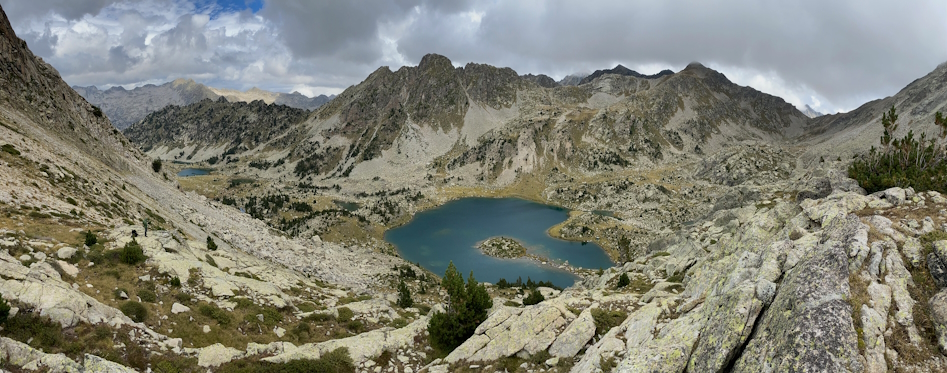
Despite their remote location, high mountain aquatic spaces are subject to anthropogenic threats that put their conservation status at risk, such as the introduction of exotic species, overcrowding by tourists or hydraulic infrastructures.

Aquatic ecosystems are essential for maintaining biodiversity, since dozens of species, many of them protected, depend on them directly to live or complete some of their life cycles.

Despite their remote location, high mountain aquatic spaces are subject to anthropogenic threats that put their conservation status at risk, such as the introduction of exotic species, overcrowding by tourists, overgrazing or hydraulic infrastructure. At the same time, it is also worth highlighting the lack of reliable, updated and detailed information on its conservation status, which makes it difficult to make effective and directed decisions for its management.

Within the framework of the RestAquatic project, several of these problems will be addressed, monitoring high mountain aquatic ecosystems and implementing actions to improve their condition.

General project information

Financing amount

145.336€

Development period
Start

15/12/2023

End

14/12/2026

Department

Responsible researcher

Deputy technical Director | Senior Scientist

Other researchers and involved staff

Funding entities

Institutions/collaborators

Social networks of the project

You may also be interested in

The main objective of this research project is to co-develop digital twins for predicting water quantity and quality in the Ter and Tordera basins, including catchments, reservoirs and coastal areas, contributing to efficient water resource management, protecting ecosystems and maximising water security in a climate change context.
It focuses on detailed taxonomic analysis and trophic-functional assessment of soft-bottom macrobenthos in various regions worldwide, with the aim of providing rigorous scientific advice to support the completion of environmental monitoring and impact management studies for projects.
The project aims to design nature-based wastewater treatment solutions specifically adapted to high-mountain conditions.
The project provides tools to guide the management and restoration of P. oceanica, a key species that stabilises sediments, sequesters CO₂ and provides habitat for numerous species, but which is currently declining due to human impacts.
BREATHE develops a global, sensor-based system to monitor river health through dissolved oxygen and river metabolism, linking ecosystem functions to services such as climate regulation and water purification.